The Winds of the Aures
1967
No user ratings available yet
Representation score: 4.9 out of 10
Representation Score
Fair
1971
Not RatedDirector
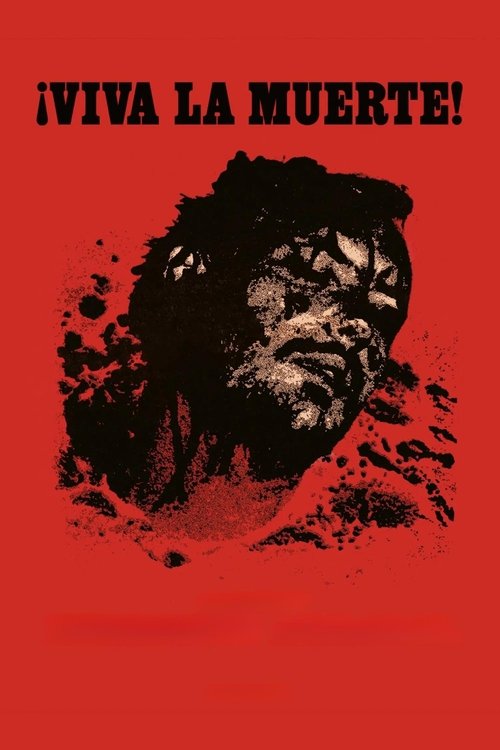
Fernando Arrabal
Runtime
90 minutes
Average Rating
No ratings yetNew Showbiz Analysis
Fernando Arrabal’s work functions as a transgressive deconstruction of mid-century social norms. The film achieves progressive value not through demographic variety, but through its refusal to provide a stable moral compass or adhere to traditional patriarchal authority. While the film lacks racial and disability representation, it excels in its critique of Western institutions. It replaces traditional archetypes with complex, politically active characters that challenge the viewer's expectations of historical drama.
Category Breakdown
The film explores emerging sexuality and Oedipal fantasies. While it challenges traditional sexual taboos, it does not show non-traditional gender identities explicitly.
The narrative overturns the 'sacred mother' archetype by presenting a morally ambiguous maternal figure with political influence. She is depicted as politically active rather than domestically submissive.
Set during the Spanish Civil War, the story focuses on internal political and class divisions. It lacks significant representation of non-white or diverse ethnic groups.
The film offers a deep critique of organized religion and state authority. It deconstructs Western social structures by showing religious devotion as a tool for political betrayal.
There is no evidence of physical or neurodivergent disability representation within the narrative.
Present on Screen
Limited or Absent
Official Synopsis
At the end of the Spanish civil war, Fando, a boy of about ten, tries to make sense of war and his father's arrest. His mother is religious, sympathetic to the Fascists; his father is accused of being a Red. Fando discovers that his mother may have aided in his father's arrest. Sometimes we witness Fando imagining explanations for what's going on; sometimes we see him at play, alone or with his friend Thérèse. Oedipal fantasies and a lad's natural curiosity about sex and death mix with his search for his mother's nature and his father's fate. Will Fando survive the search?
1967
1970

1991
1952
1982
1962
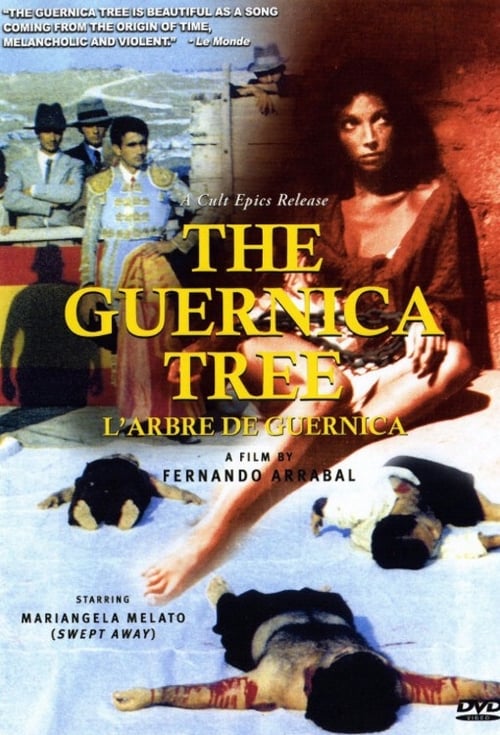
1975
1979
No reviews yet. Be the first to share your thoughts on this movie!
Use the rating form above to leave a star rating and optional review.