The Four Days of Naples
1962
No user ratings available yet
Diversity score: 4.2 out of 10
1970
GPDirector
Giuliano Montaldo
Runtime
103 minutes
Average Rating
No ratings yetSynopsis
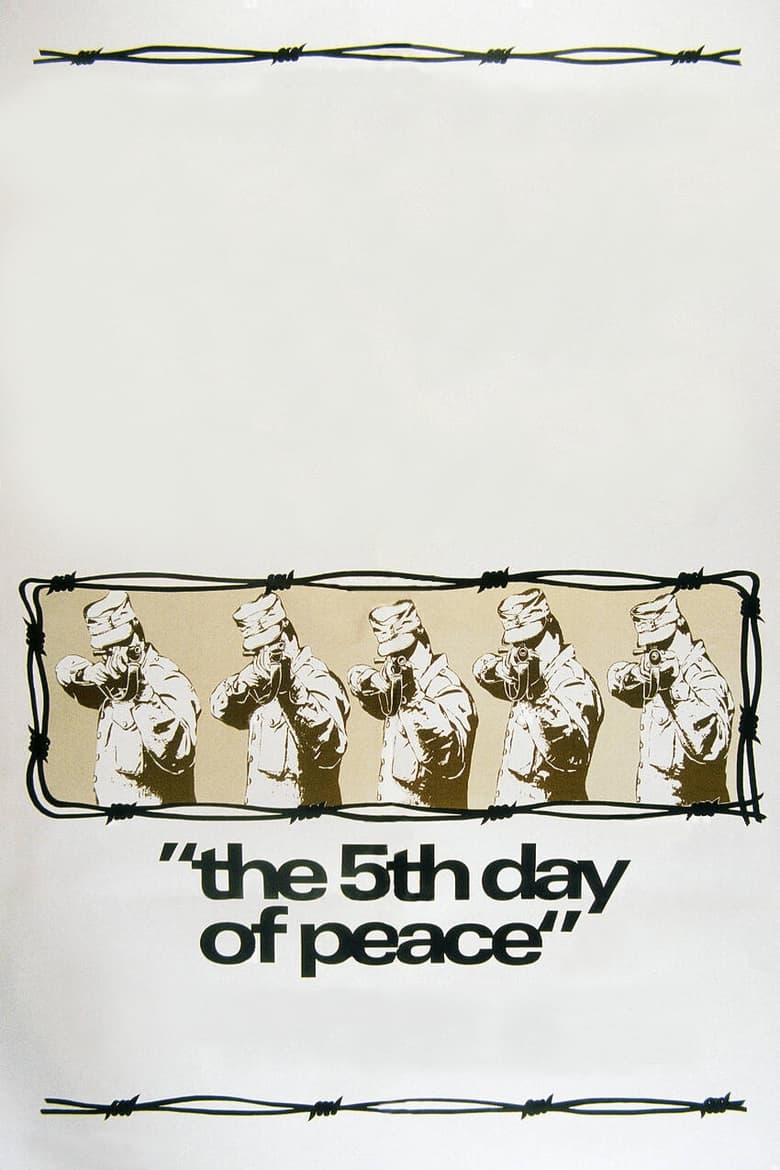
Based on a true story. Near the end of World War II, two German deserters are put in an Allied POW camp. When a rigid and militaristic German colonel learns about their desertion, he wants them court-martialed, even if the war is over. The uninterested Allied officers oblige him, and the two men face the firing squad on "the fifth day of peace".
Overall Score
Fair
Category Breakdown
LGBTQ+ Representation
The film lacks LGBTQ+ characters or explorations of non-heteronormative identities. The narrative focuses entirely on the macro-political struggle of desertion and military law.
Gender Representation
Leadership and the central conflict are driven by male protagonists. While female characters exist within the social landscape, they occupy supporting roles rather than driving the plot's primary agency.
Racial & Ethnic Diversity
The cast is predominantly white and European, reflecting the historical and geographical context of a 1970 production. The narrative does not seek to disrupt this racial homogeneity.
Religious & Cultural Diversity
The film offers a sophisticated critique of Western military and legal institutions. It frames the military hierarchy as an inflexible, punitive force that maintains power through violence.
Disability Representation
There are no prominent depictions of physical or neurodivergent disabilities that serve as central narrative elements.
Strengths
Areas for Improvement
AI Analysis
The film functions primarily as a piece of political cinema, prioritizing systemic critique over demographic variety. It succeeds in deconstructing traditional power structures and questioning state-sanctioned morality through its depiction of desertion and rigid military law. However, the work is limited by the demographic constraints of its era. It lacks intersectional diversity, presenting a largely homogeneous cast and a narrative centered on masculine-coded military and intellectual struggles. Ultimately, the film's value lies in its ideological engagement rather than its representation of diverse identities. It challenges authoritarianism while remaining anchored in a traditional, Eurocentric framework.
1962
1956

1956
1968
1970

1949
1959
1965
1974
1938
2011
1963
No reviews yet. Be the first to share your thoughts on this movie!
Use the rating form above to leave a star rating and optional review.