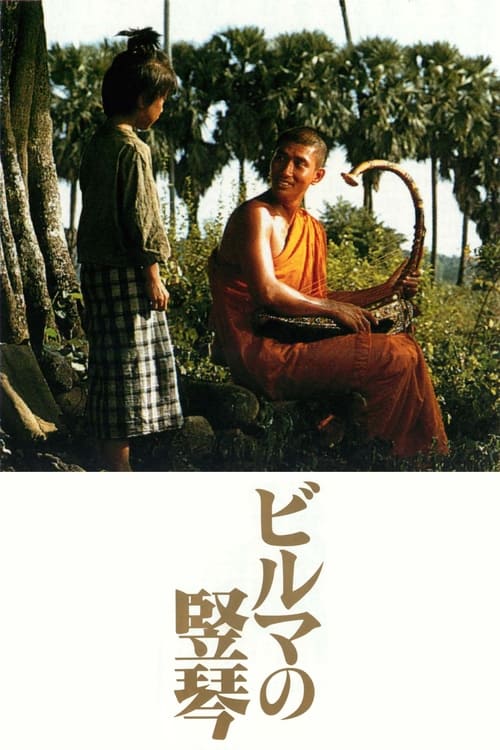
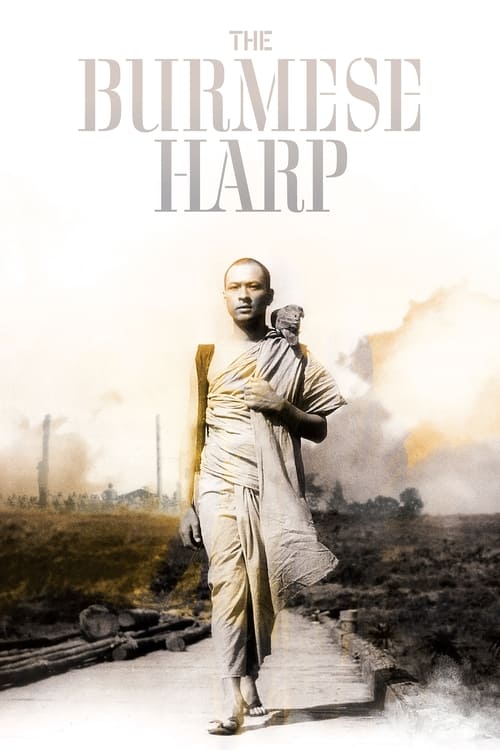
The Burmese Harp
1985
No user ratings available yet
Representation score: 2.7 out of 10
Representation Score
Limited
1959
NRDirector
Kon Ichikawa
Runtime
105 minutes
Average Rating
No ratings yetNew Showbiz Analysis
Kon Ichikawa’s film deconstructs the traditional wartime epic by focusing on the physiological and psychological erosion of an individual. It rejects nationalist myth-making to prioritize a raw, existentialist truth. While the film lacks diverse representation in terms of gender and sexual orientation, it succeeds as a moral critique. It portrays the soldier as a victim of a failed imperialist machine rather than a state hero. The narrative finds its strength in the visceral depiction of human suffering and the breakdown of institutional authority during the collapse of the Japanese imperial structure.
Category Breakdown
The film focuses on a hyper-masculine military environment and does not include any LGBTQ+ characters or stories about non-straight relationships.
Women play a minimal role in the film, which emphasizes broken masculinity without challenging traditional gender roles.
The cast is made up of a homogeneous group of Japanese soldiers, reflecting the historical context without trying to sanitize the national identity.
The film provides a strong critique of imperialist structures and state institutions. It examines how starvation shifts traditional morality to situational ethics.
The protagonist's tuberculosis is a central, driving force rather than a mere plot device. His physical decline is shown with realistic, grim realism.
Present on Screen
Limited or Absent
Official Synopsis
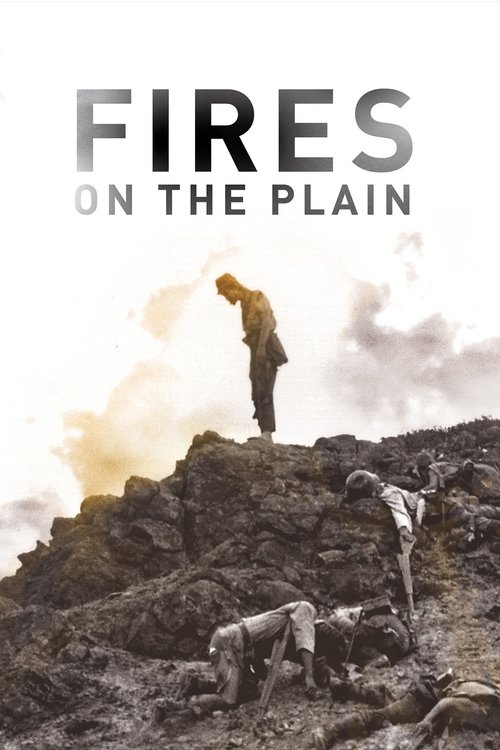
In the closing days of WWII, a Japanese soldier afflicted with tuberculosis is abandoned by his company and left to wander the Philippine island of Leyte.
1985
1956
1953
1946

1968
1958
2008

1940
No reviews yet. Be the first to share your thoughts on this movie!
Use the rating form above to leave a star rating and optional review.