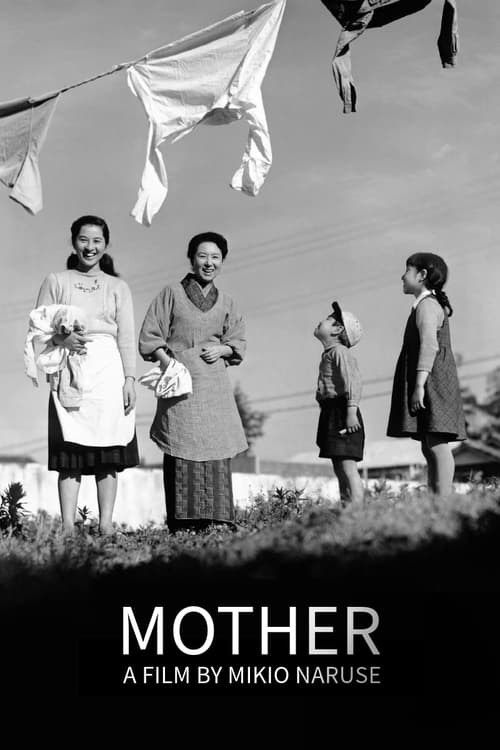
Mother
1952
No user ratings available yet
Representation score: 3.9 out of 10
Representation Score
Limited
1953
Director
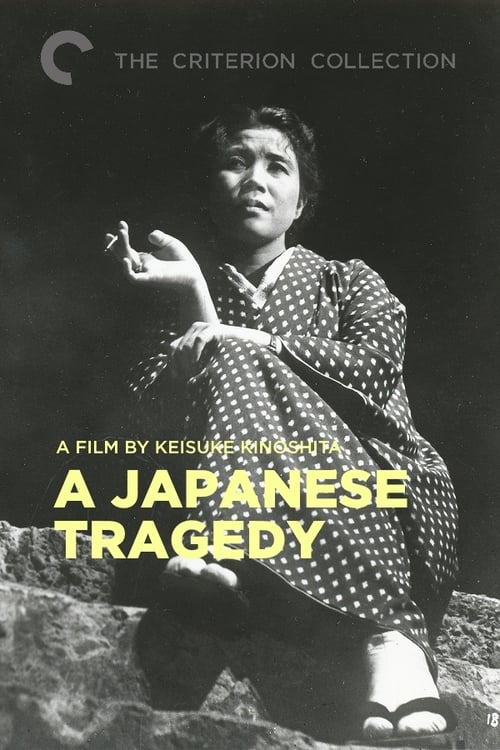
Keisuke Kinoshita
Runtime
116 minutes
Average Rating
No ratings yetNew Showbiz Analysis
Keisuke Kinoshita’s drama offers a poignant critique of post-war Japanese society by centering on a mother's struggle against economic hardship and familial abandonment. While the film lacks diverse representation regarding race or LGBTQ+ identities, it succeeds in deconstructing traditional social structures. The film's strength lies in its humanistic approach to class and generational conflict. It moves beyond simple domestic melodrama to highlight how materialism can erode communal and familial bonds. However, the narrative's homogeneity limits its scope of diversity. The focus remains tightly bound to a specific socioeconomic and cultural experience, leaving little room for broader perspectives.
Category Breakdown
The film focuses solely on the nuclear family and generational tensions. There are no LGBTQ+ narratives or non-traditional gender identities represented in the plot.
A widowed mother serves as the central protagonist, highlighting her labor and emotional resilience. Her struggle challenges traditional domestic roles by exposing systemic issues.
The film operates within a culturally homogeneous framework. It focuses on internal class dynamics rather than multi-ethnic or diverse racial backgrounds.
The story critiques the erosion of traditional values and the rise of consumerism. It uses post-war poverty to challenge the concept of the idealized family.
There is no mention of visible or invisible disabilities being central to the character arcs or the narrative.
Present on Screen
Limited or Absent
Official Synopsis
At the close of the war in Japan, a widowed mother makes every possible sacrifice to bring up her ungrateful son and daughter who are unimpressed with their poor standard of living at home. They gradually reject her in search of the material comforts that working as a maid cannot provide. The mother's despair becomes interminable.
1952
1936
1946
1970

1951

1945
1942
1962
No reviews yet. Be the first to share your thoughts on this movie!
Use the rating form above to leave a star rating and optional review.