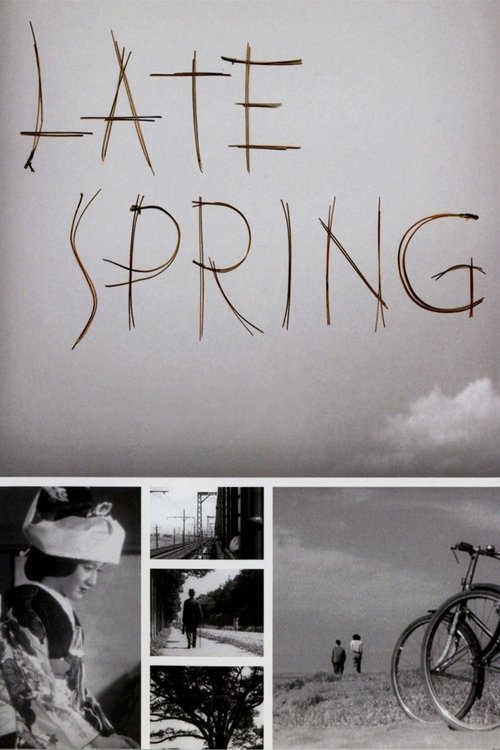
Late Spring
1949
No user ratings available yet
Representation score: 2.8 out of 10
Representation Score
Limited
1962
Not RatedDirector
Yasujirō Ozu
Runtime
113 minutes
Average Rating
No ratings yetNew Showbiz Analysis
Ozu’s masterpiece centers on sociological observation rather than identity politics. It excels in dismantling the idea of social permanence, presenting the decline of traditional family structures as a melancholic yet necessary evolution. However, the film remains anchored in a specific, homogeneous era. While it subtly critiques social hierarchies, it lacks the multi-layered markers seen in contemporary films. Ultimately, the film is a study of domestic transitions, showcasing a formalist approach to social change within a traditional demographic range.
Category Breakdown
The film focuses solely on heterosexual marriage and domestic life. There are no queer subtexts or non-cisgender identities represented.
The story highlights the emotional and intellectual contributions of women in matchmaking and household management. It emphasizes their roles in guiding families towards modernity.
Set in post-war Japan, the film portrays a homogeneous Japanese middle-class society. It does not include diverse casting or characters from different racial backgrounds.
The film provides a nuanced look at Western-style modernization impacting Japanese traditions. It uses the concept of mono no aware to illustrate the inevitability of social decay.
There are no characters with visible or invisible disabilities featured in the main storyline.
Present on Screen
Limited or Absent
Official Synopsis
Widower Shuhei Hirayama's caretaker is his 24-year-old daughter, Michiko. Gradually, he comes to realize that Michiko should not be obliged to look after him for the rest of his life, so he arranges a marriage for her.
1949
1951
1960
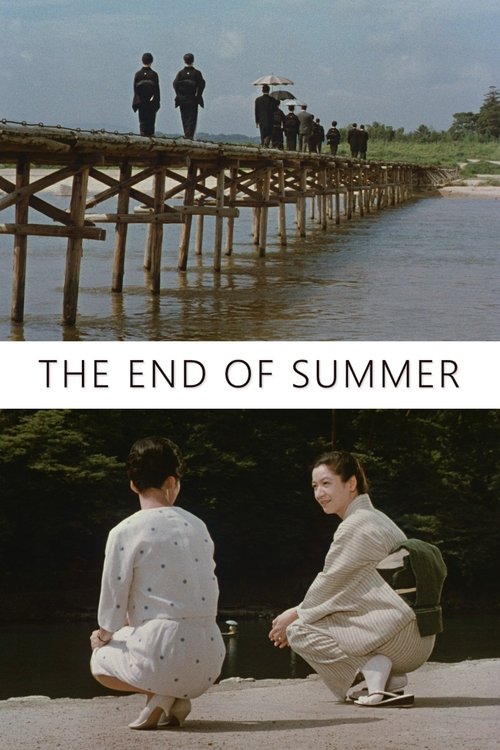
1961
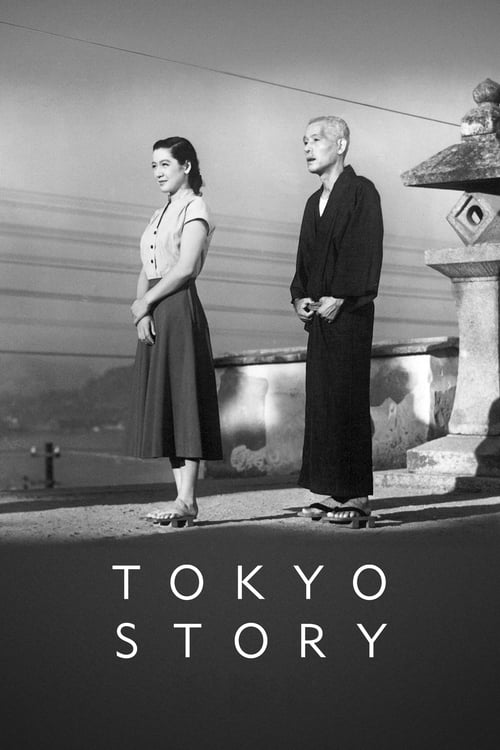
1953
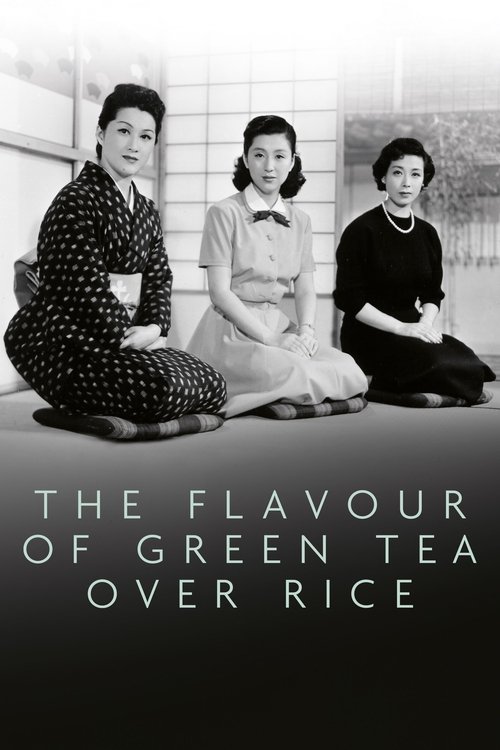
1952
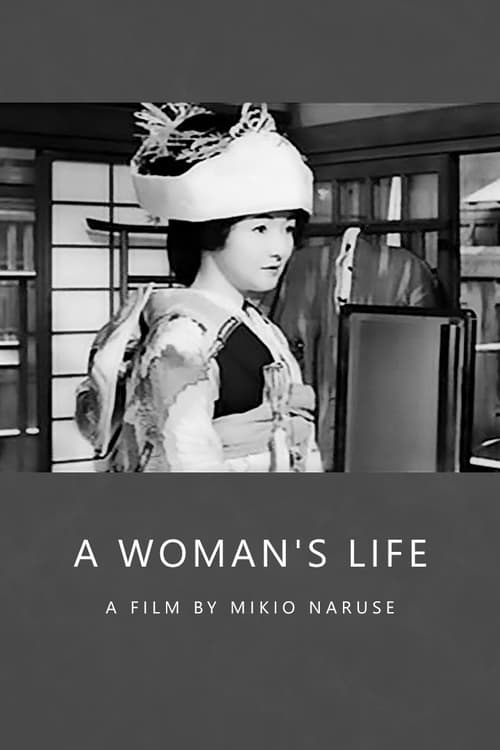
1963
1962
No reviews yet. Be the first to share your thoughts on this movie!
Use the rating form above to leave a star rating and optional review.