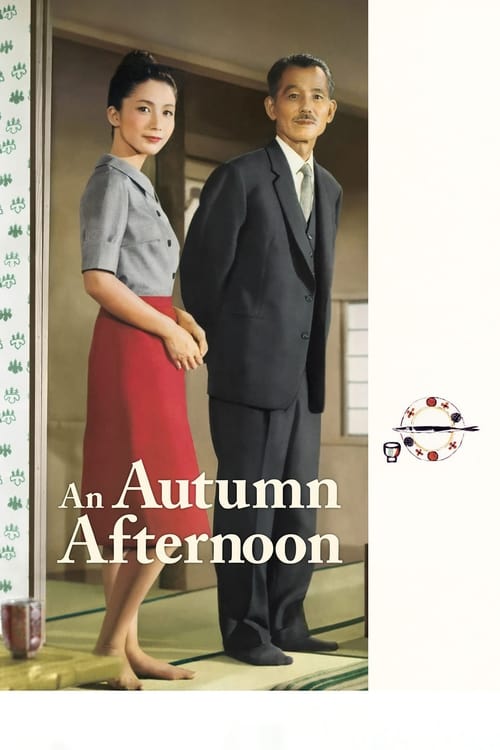
An Autumn Afternoon
1962
No user ratings available yet
Representation score: 2.5 out of 10
Representation Score
Limited
1949
Not RatedDirector
Yasujirō Ozu
Runtime
108 minutes
Average Rating
No ratings yetNew Showbiz Analysis
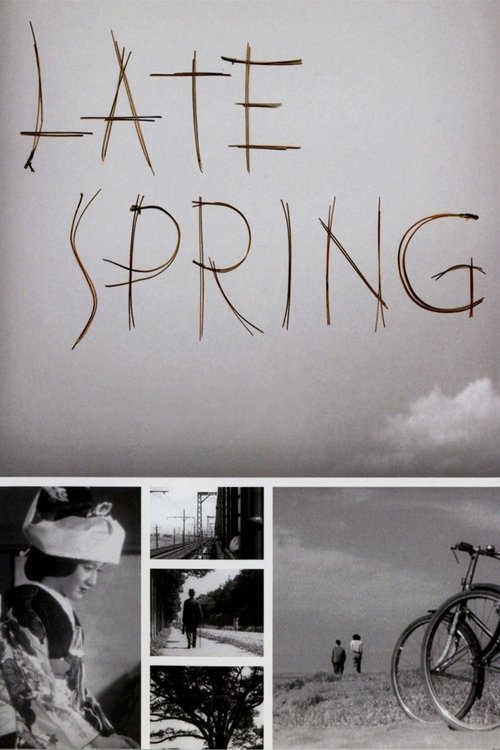
Late Spring is a thoughtful examination of domestic structures and the subtle changes in social norms. It excels by focusing on the emotional cost of social conformity, especially through the tension between individual freedom and the societal pressure of marriage. Though the film lacks contemporary markers of diversity, it challenges traditional hierarchies by emphasizing the psychological impact of gendered expectations and the changing nature of family units. The score is balanced by the film's historical context and its reflection of the demographic realities of post-war Japan. It remains a significant work for its nuanced portrayal of evolving social dynamics.
Category Breakdown
The film focuses on straight relationships and does not include any characters with diverse gender identities or same-sex relationships.
Noriko's character provides meaningful representation by showing her resistance to marriage, highlighting the tension between personal desires and societal gender roles.
Set in post-war Japan, the film portrays a culturally homogeneous middle-class family without any non-Japanese characters or color-blind casting.
The film explores the shift from traditional multi-generational households to modern, isolated living arrangements, presenting a nuanced view of the impermanence of family structures.
The film does not feature characters with visible or invisible disabilities as central to the narrative.
Present on Screen
Limited or Absent
Official Synopsis
Noriko is perfectly happy living at home with her widowed father, Shukichi, and has no plans to marry -- that is, until her aunt Masa convinces Shukichi that unless he marries off his 27-year-old daughter soon, she will likely remain alone for the rest of her life. When Noriko resists Masa's matchmaking, Shukichi is forced to deceive his daughter and sacrifice his own happiness to do what he believes is right.
1962
1951
1960
1952
1953

1950
1963
1958
No reviews yet. Be the first to share your thoughts on this movie!
Use the rating form above to leave a star rating and optional review.