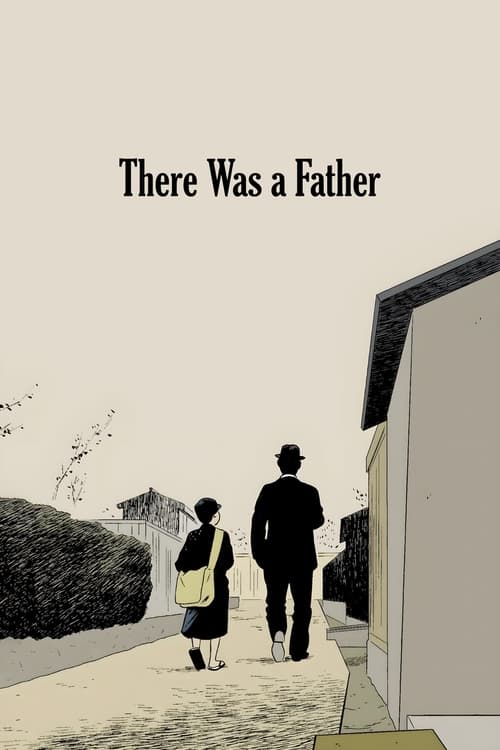
There Was a Father
1942
No user ratings available yet
Representation score: 1.9 out of 10
Representation Score
Limited
1936
Not RatedDirector
Yasujirō Ozu
Runtime
87 minutes
Average Rating
No ratings yetNew Showbiz Analysis
Yasujirō Ozu’s drama is a nuanced study of socioeconomic shifts in pre-war Japan. It moves beyond simple period-piece clichés to explore the tension between agrarian traditions and urban modernity. The film’s strength lies in its moral complexity, portraying the erosion of traditional family bonds as an inevitable consequence of progress and shifting social orders. However, the film remains limited by its era's social constraints, lacking representation of LGBTQ+ identities and disability, and focusing on a narrow, traditionalist view of the Japanese family unit.
Category Breakdown
The film centers on traditional family structures and biological lineage, with no representation of LGBTQ+ identities or non-cisgender identities.
The mother plays a significant role in driving the story, demonstrating strong ability to act through her sacrifice to fund her son's education.
The film depicts a culturally homogeneous Japanese society, focusing on class distinctions between rural workers and urban professionals.
The film critiques modernization by contrasting communal rural values with the individualistic, pragmatic lifestyle of the urban center.
There are no visible or documented depictions of physical or neurodivergent disabilities in the narrative.
Present on Screen
Limited or Absent
Official Synopsis
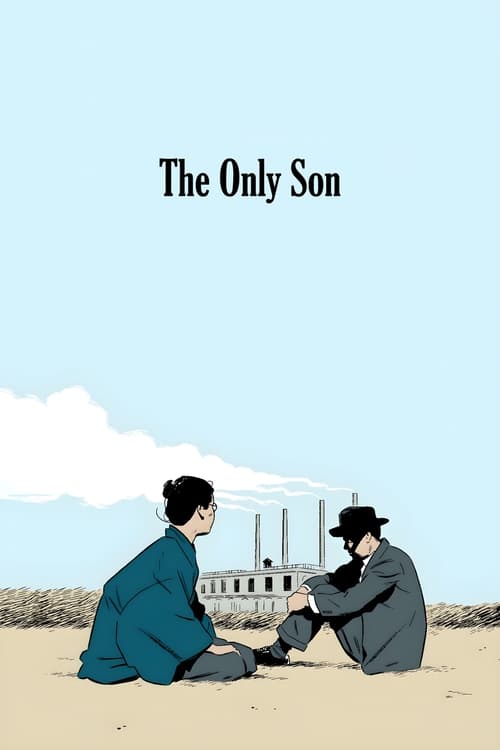
A rural widow sends her only son to Tokyo to receive a better education. Years later, she visits him and finds he has become a night school teacher struggling to support his wife and son.
1942
1951

1933
1962
1951
1945
1952
1939
No reviews yet. Be the first to share your thoughts on this movie!
Use the rating form above to leave a star rating and optional review.