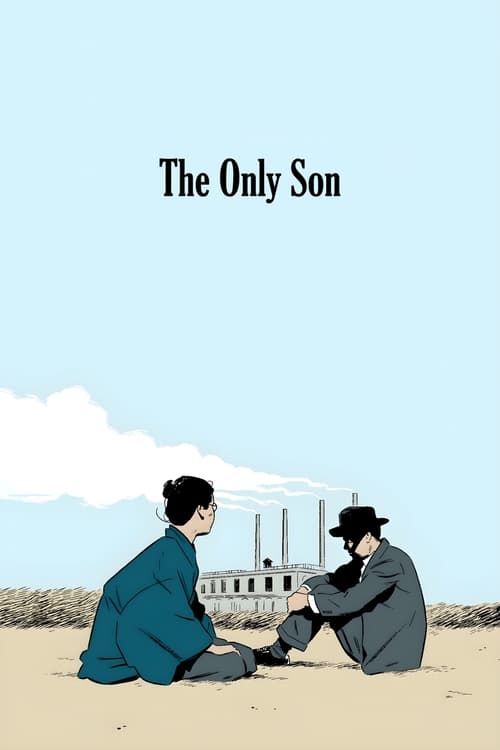
The Only Son
1936
No user ratings available yet
Representation score: 2.9 out of 10
Representation Score
Minimal
1942
Not RatedDirector
Yasujirō Ozu
Runtime
93 minutes
Average Rating
No ratings yetNew Showbiz Analysis
Yasujirō Ozu’s drama is a sophisticated exploration of social change rather than a platform for diverse representation. It captures the subtle erosion of traditional structures under the influence of modernization, providing a nuanced view of Japanese identity. However, the film remains confined by the socio-cultural norms of its time. It lacks diversity in its cast and reinforces traditional gender roles without challenging them.
Category Breakdown
The film focuses on a traditional father-son relationship and does not include any LGBTQ+ identities or same-sex relationships.
The story follows traditional gender roles and patriarchal hierarchies from the 1940s. It highlights solo fatherhood but maintains the father as the central figure in the family.
The film features a Japanese cast reflecting a specific cultural period. It centers on a non-Western domestic experience but lacks diversity in ethnicity and cultural backgrounds.
The story explores the conflict between traditional Japanese values and modern Western influences. It portrays the shift towards modern, career-focused lifestyles as a bittersweet evolution.
There are no visible or invisible disabilities depicted in the film. None of the character arcs are influenced by disability.
Present on Screen
Limited or Absent
Official Synopsis
Shuhei Horikawa, a poor schoolteacher, struggles to raise his son Ryohei by himself, despite neither money nor prospects.
1936
1960
1951
1945
1939
1952
1953

1948
No reviews yet. Be the first to share your thoughts on this movie!
Use the rating form above to leave a star rating and optional review.