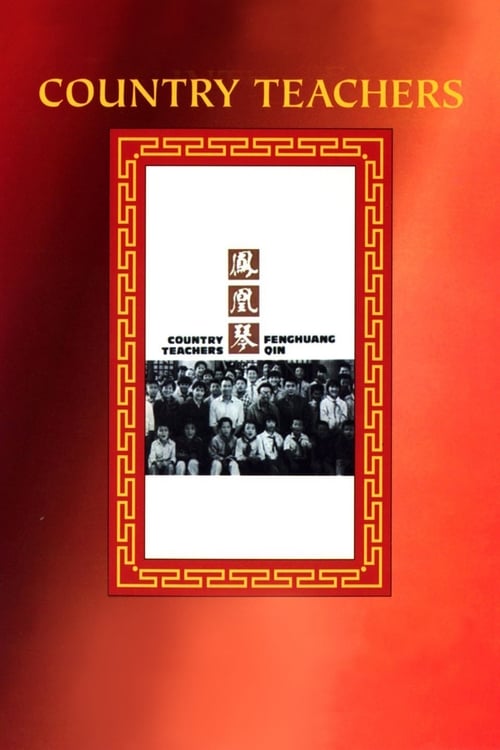
Country Teachers
1994
No user ratings available yet
Representation score: 3.5 out of 10

Representation Score
Fair
1999
GDirector
Zhang Yimou
Runtime
106 minutes
Average Rating
No ratings yetNew Showbiz Analysis
Zhang Yimou’s drama centers a underrepresented female protagonist within a rigid, patriarchal agrarian setting. By focusing on Wei Minzhi’s struggle for professional integrity, the film subverts traditional power dynamics and avoids relying on male intervention to drive the story. The film’s strength lies in its sociological depth, offering a gritty, non-Western critique of systemic poverty and the pressures of economic shifts. It effectively uses the rural working-class experience to highlight the failures of institutional safety nets. However, the film lacks diversity in terms of LGBTQ+ identities and disability representation. While it provides a profound look at class and gender ability to act, these specific demographic gaps limit its overall inclusivity.
Category Breakdown
The film does not include any LGBTQ+ characters or narratives. It focuses on traditional rural structures without engaging with queer themes.
Wei Minzhi challenges patriarchal hierarchies by taking on institutional authority as a teacher. Her personal role in driving the plot avoids the cliché of male-led leadership.
The film portrays a homogeneous ethnic landscape typical of rural China. It offers a non-Western perspective on class and geography without blending multiple backgrounds.
The narrative critiques socioeconomic pressures and the breakdown of formal institutions. It highlights the struggles of the working class against rapid economic changes.
There is no meaningful representation of physical, neurodivergent, or mental health disabilities within the main character arcs.
Present on Screen
Limited or Absent
Official Synopsis
Set in the People's Republic of China during the 1990s, the film centers on a 13-year-old substitute teacher, Wei Minzhi, in the Chinese countryside. Called in to substitute for a village teacher for one month, Wei is told not to lose any students.
1994
1936

1998

2013

2004

2010
2017

2006
No reviews yet. Be the first to share your thoughts on this movie!
Use the rating form above to leave a star rating and optional review.