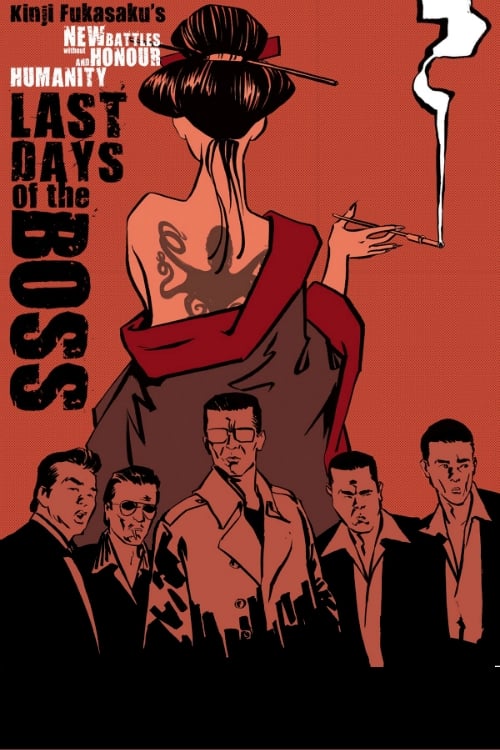
New Battles Without Honor and Humanity 3: Last Days of the Boss
1976
No user ratings available yet
Representation score: 1.4 out of 10
Representation Score
Fair
1971
Director
Kinji Fukasaku
Runtime
93 minutes
Average Rating
No ratings yetNew Showbiz Analysis
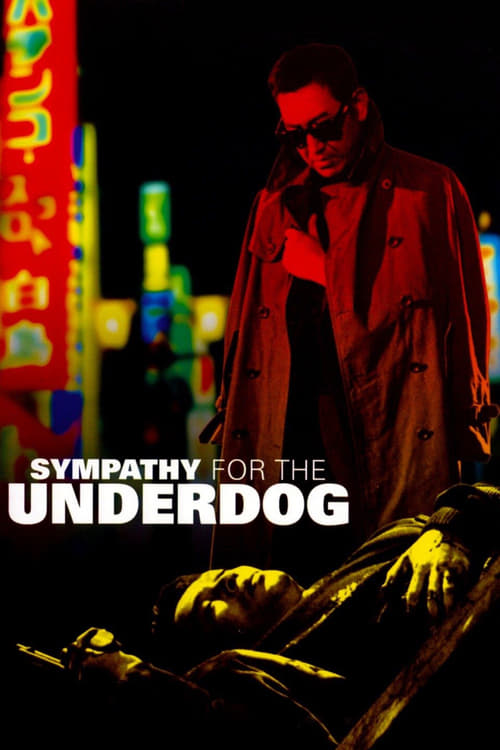
Sympathy for the Underdog is a gritty exploration of social displacement and the conflict between individuals and the state. It finds its strength in its critique of systemic issues, using the yakuza archetype to challenge the stability of established institutions and post-war social orders. However, the film remains limited in its demographic range. It relies heavily on traditional masculine hierarchies and lacks representation for LGBTQ+ identities or characters with disabilities. While it delves into regionalism through its Okinawan setting, it does not achieve broad diversity in its representation. Ultimately, the film is a character study of the disenfranchised. It prioritizes the struggle of those sidelined by an indifferent social landscape over a diverse or inclusive cast.
Category Breakdown
The film follows the traditional assumptions that everyone is straight or cisgender. There is no indication of characters with non-binary gender identities or same-sex relationships.
The story emphasizes male-dominated criminal hierarchies and combat roles. This reinforces traditional masculine leadership rather than challenging gendered power structures.
Moving the story to Okinawa adds regional and ethnic complexity. The film explores the friction between different social identities through localized geopolitical tensions.
The film stands out by presenting the underdog archetype against oppressive social structures. It critiques the post-war status quo by highlighting the struggles of the displaced.
The narrative focuses on socioeconomic struggle rather than the experiences of those with physical or neurological differences. There is no specific mention of disability playing a central role in the character arcs.
Present on Screen
Limited or Absent
Official Synopsis
A yakuza gang gets driven out of Yokohama by a big gang from Tokyo. They relocate to Okinawa to violently start over.
1976
1973

1976

1993

1976
1992
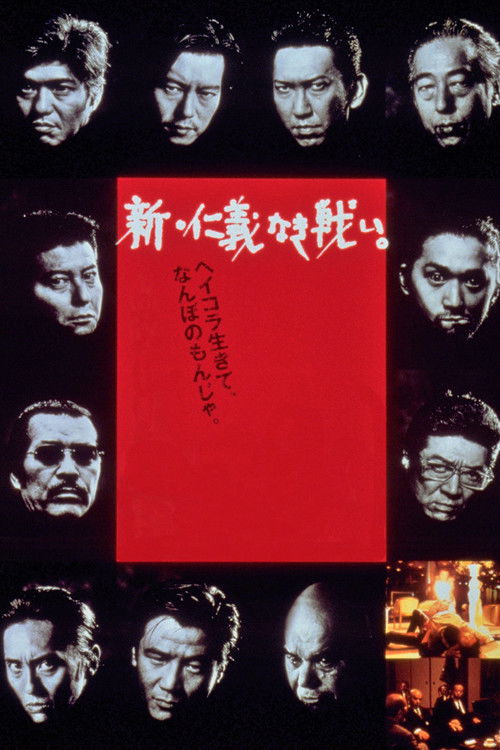
2000
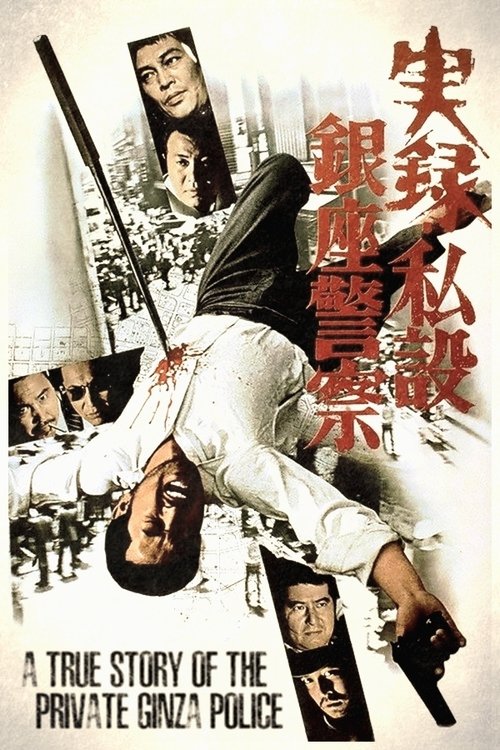
1973
No reviews yet. Be the first to share your thoughts on this movie!
Use the rating form above to leave a star rating and optional review.