
The Stairway to the Distant Past
1995
No user ratings available yet
Diversity score: 4.1 out of 10
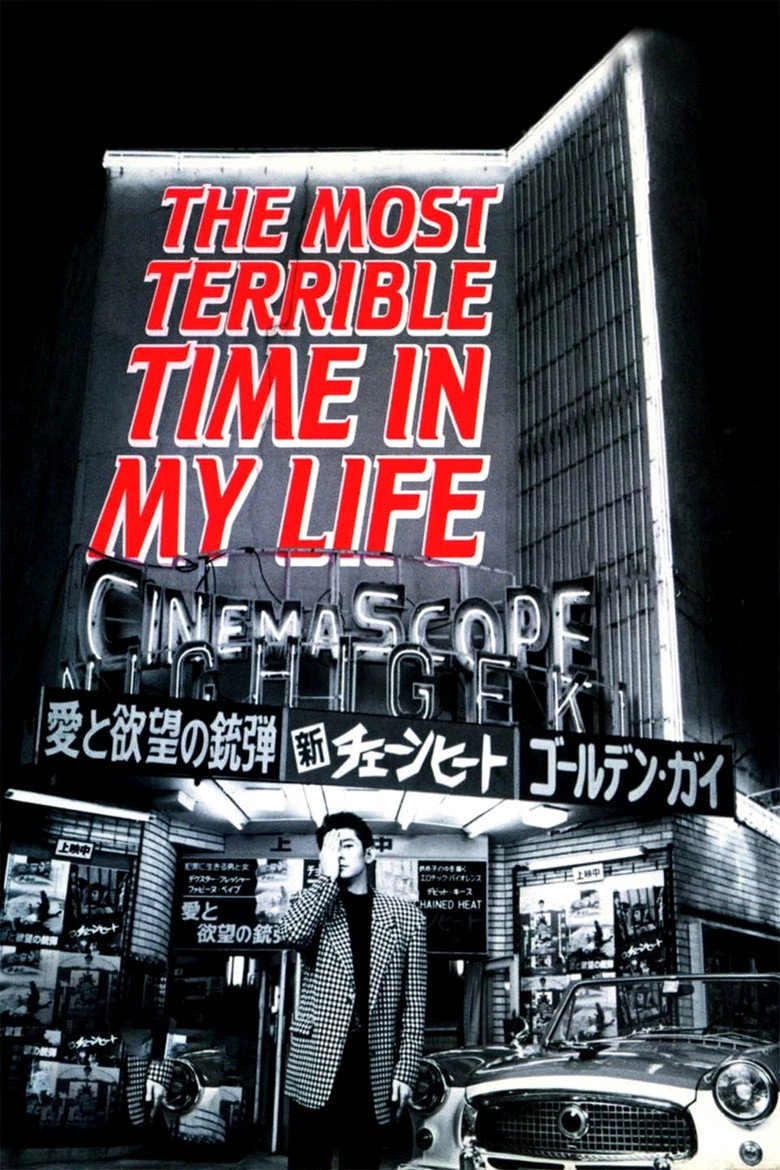
1994
Director
Kaizo Hayashi
Runtime
92 minutes
Average Rating
No ratings yetSynopsis
Maiku Hama is a private detective working in Yokohama. Hama comes to the aid of a Taiwanese waiter named Yang and agrees to track down his missing brother. Through a series of double-crosses Hama gets embroiled in a gang war and a revenge plot between the two brothers
Overall Score
Fair
Category Breakdown
LGBTQ+ Representation
The film lacks explicit depictions of LGBTQ+ identities or non-heteronormative relationships. The narrative focus remains strictly on the central conflict between the detective and the brothers.
Gender Representation
The story centers on a male-dominated landscape typical of the crime thriller genre. It prioritizes the agency of the detective and the warring brothers over female character arcs.
Racial & Ethnic Diversity
The narrative disrupts social homogeneity by centering a Taiwanese character within a Japanese setting. This inclusion provides a framework for exploring ethnic agency and diaspora within an urban crime setting.
Religious & Cultural Diversity
The film engages with themes of systemic instability and moral ambiguity. The setting suggests a world characterized by subjective morality and the breakdown of social order.
Disability Representation
There is no mention of characters navigating physical or neurodivergent disabilities within the narrative.
Strengths
Areas for Improvement
AI Analysis
The film functions as a stylized neo-noir that finds its greatest strength in its transnational elements. By weaving a Taiwanese character into the Yokohama underworld, it moves beyond the typical homogeneous crime drama to explore ethnic complexities. However, the work remains heavily tethered to traditional genre tropes. The narrative architecture is predominantly masculine, focusing on male-driven plot mechanics and gang warfare, which limits its broader social representation. Ultimately, while the film offers a sophisticated look at diaspora and urban instability, it lacks significant engagement with gender or LGBTQ+ identities.
No reviews yet. Be the first to share your thoughts on this movie!
Use the rating form above to leave a star rating and optional review.
