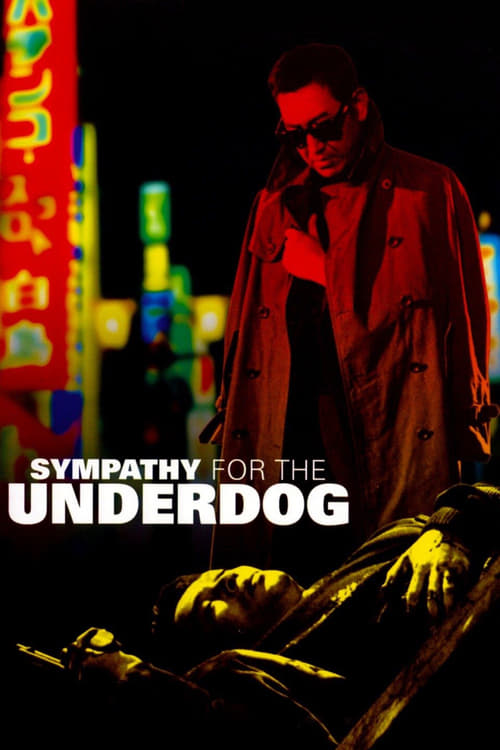
Sympathy for the Underdog
1971
No user ratings available yet
Representation score: 5.4 out of 10
Representation Score
Fair
1971
Director
Kōsaku Yamashita
Runtime
107 minutes
Average Rating
No ratings yetNew Showbiz Analysis
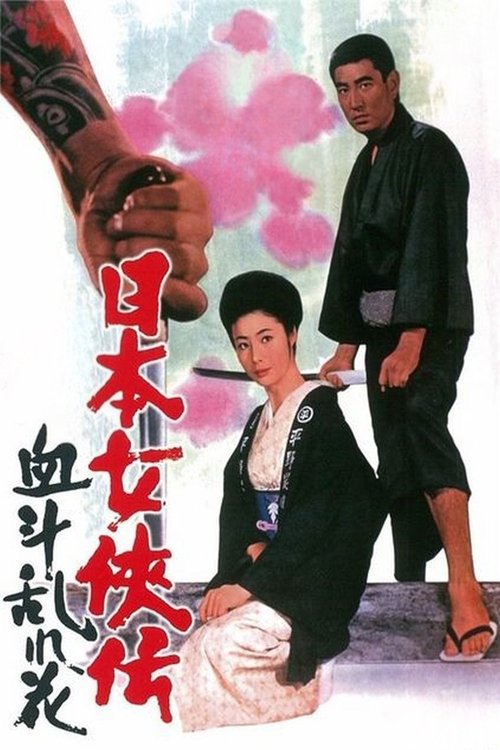
Bloodiest Flower stands out for its proactive disruption of gendered labor roles. By placing a widow in a position of economic and industrial authority, the film challenges the patriarchal hierarchies common in 1970s genre cinema. While the film excels in gender representation, it remains culturally homogeneous and lacks exploration of LGBTQ+ identities. The narrative is tightly focused on industrial survival and systemic conflict rather than diverse social identities. Ultimately, the film's strength lies in its characterization of female competence and leadership within a high-stakes, male-dominated environment.
Category Breakdown
The film does not explicitly depict LGBTQ+ identities or non-straight relationships. The story centers on industrial and criminal themes rather than sexual orientation.
Tei challenges traditional gender roles by running a coal mine, a historically male-dominated sector. Her leadership and resilience defy conventional expectations of female passivity.
The film features a culturally uniform Japanese cast reflecting its 1971 setting. It provides a localized look at Japanese social and industrial history.
The story critiques established power structures through Tei's struggle against exploitative mining gangs. It highlights individual ability to act against oppressive, unregulated industrial systems.
There is no documented depiction of physical or neurodivergent disabilities in the film.
Present on Screen
Limited or Absent
Official Synopsis
A dramatic captivating tale tells of widowed Tei (Junko Fuji), she has become a coalmine operator and is determined to be successful despite mining being a predominately male domain. Overcoming the natural hardships, a more serious threat to Tei and her mine, the menacing presence of rival mining gangs who sense her vulnerability... Nihon jokyo-den:ketto midarw-bana is an outstanding drama, highlighted by wonderful characterizations/performances. Yamashita's excellent direction maintains a rich emotional flow from the opening seconds to the last. Intense and bloody encounters punctuate throughout the engaging multi layered tale!
1971

1964
1981
1973
1972
1981
1976
1976
No reviews yet. Be the first to share your thoughts on this movie!
Use the rating form above to leave a star rating and optional review.