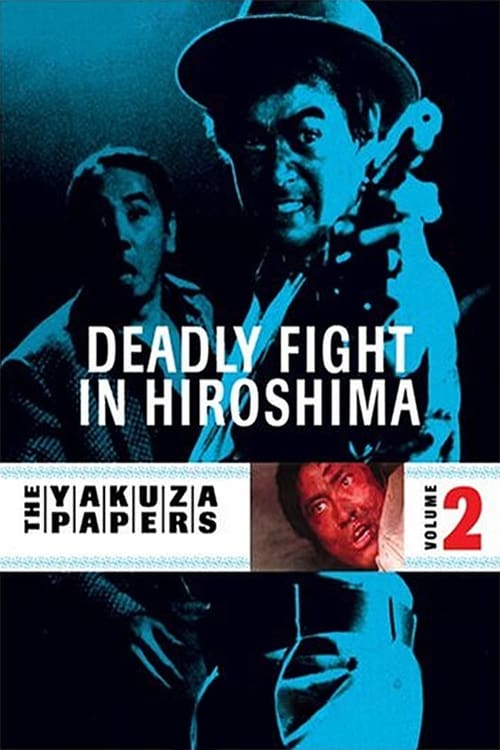
Battles Without Honor and Humanity: Deadly Fight in Hiroshima
1973
No user ratings available yet
Representation score: 5.0 out of 10
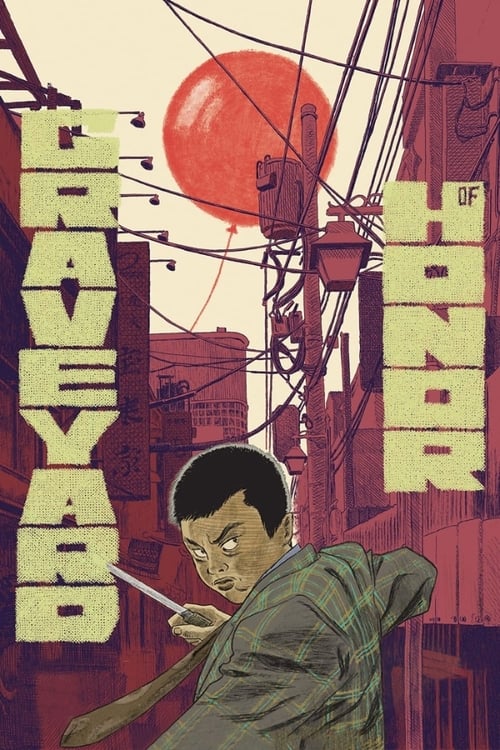
Representation Score
Fair
1975
Not RatedDirector
Kinji Fukasaku
Runtime
94 minutes
Average Rating
No ratings yetNew Showbiz Analysis
Graveyard of Honor is a realistic deconstruction of the yakuza genre. Though it lacks diversity in gender, race, and LGBTQ+ representation, it offers a deep cultural critique. Kinji Fukasaku uses a nihilistic perspective to expose the corruption and moral relativism in Japanese society. The film’s strength lies in its critical examination of social and economic structures rather than its inclusive casting.
Category Breakdown
The film assumes everyone is straight and cisgender, with no LGBTQ+ characters or non-cisgender identities represented.
The story focuses mainly on masculine roles, relegating women to supporting roles centered around family and emotions.
The cast is predominantly of one ethnicity, reflecting post-WWII Japan's cultural context, without diverse casting choices.
The film critically examines traditional institutions, replacing honor and loyalty with a survivalist outlook in a corrupt system.
Physical and neurodivergent disabilities are not intentionally represented, with physical trauma used solely as a plot device.
Present on Screen
Limited or Absent
Official Synopsis
A self-destructive man becomes a powerful member of the yakuza but quickly loses his self-control. Based on the true story of Rikio Ishikawa.
1973
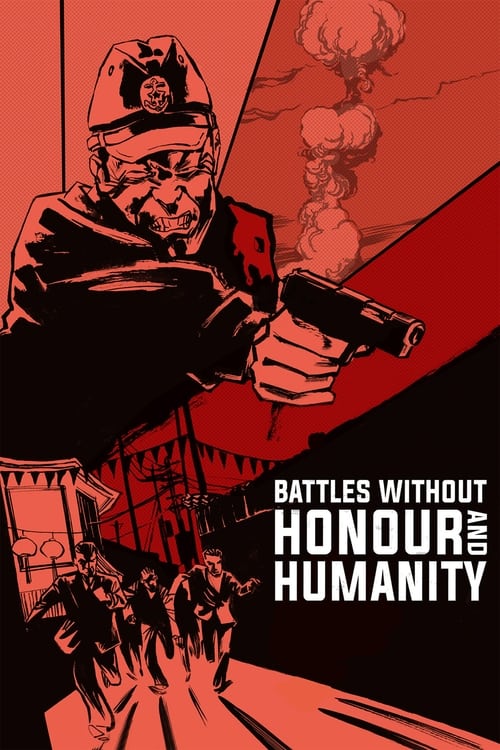
1973
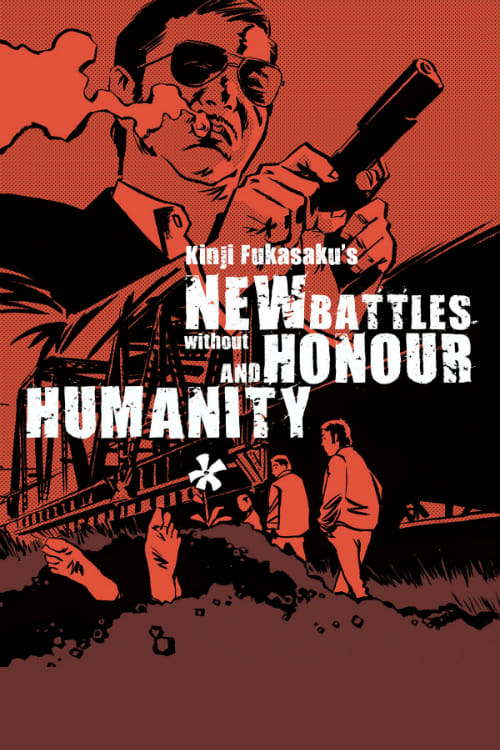
1974

1967

1972
1974

1968
2018
No reviews yet. Be the first to share your thoughts on this movie!
Use the rating form above to leave a star rating and optional review.