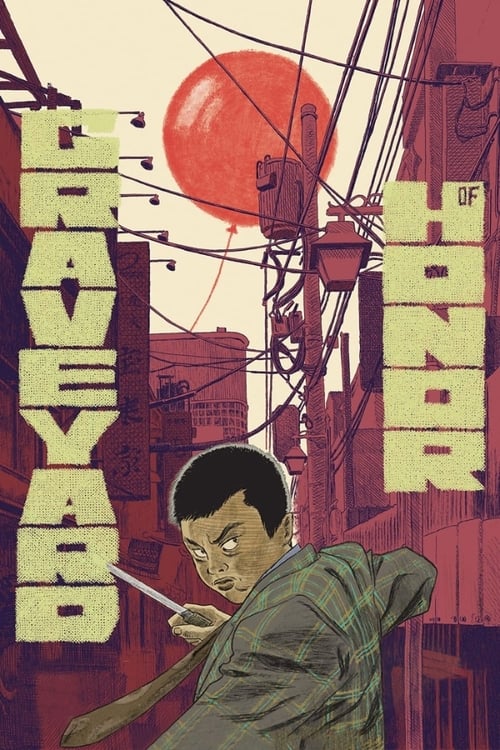
Graveyard of Honor
1975
No user ratings available yet
Representation score: 4.2 out of 10

Representation Score
Limited
1977
Not RatedDirector
Kinji Fukasaku
Runtime
90 minutes
Average Rating
No ratings yetNew Showbiz Analysis
Doberman Cop is a gritty, genre-driven exploration of urban decay and systemic corruption. It prioritizes a critique of traditional authority over diverse social representation. The film's primary strength lies in its exploration of regional friction and institutional skepticism. By placing an Okinawan outsider against the corruption of Tokyo, it creates a compelling narrative of social tension. However, the film adheres to traditional genre conventions. It lacks LGBTQ+ representation and often frames female characters through the lens of exploitation rather than empowerment.
Category Breakdown
The film does not include any LGBTQ+ characters or explore non-straight relationships. It follows the traditional male-centric structure of 1970s Japanese crime cinema.
The story focuses on a tough male protagonist. Women play key roles in the narrative but often function as victims or plot devices rather than independent drivers.
The film introduces a regional dynamic through an Okinawan protagonist. However, the cast remains predominantly Japanese, lacking broader racial diversity.
The film critiques institutional stability by showing systemic corruption in talent agencies and the mob. This challenges the perceived integrity of established social and economic structures.
There is no documented portrayal of physical or neurodivergent disabilities within the main storyline.
Present on Screen
Limited or Absent
Official Synopsis
Joji Kano is a loose cannon cop from backwoods Okinawa, sent to Tokyo to investigate the grisly murder of an Okinawa woman. As he probes deeper into the sleazy world of flesh-peddling, talent agency corruption and mob influence, Kano uncovers the shocking truth.
1975

1967

1966
1966

1960

1988

2013

1978
No reviews yet. Be the first to share your thoughts on this movie!
Use the rating form above to leave a star rating and optional review.