Find another title
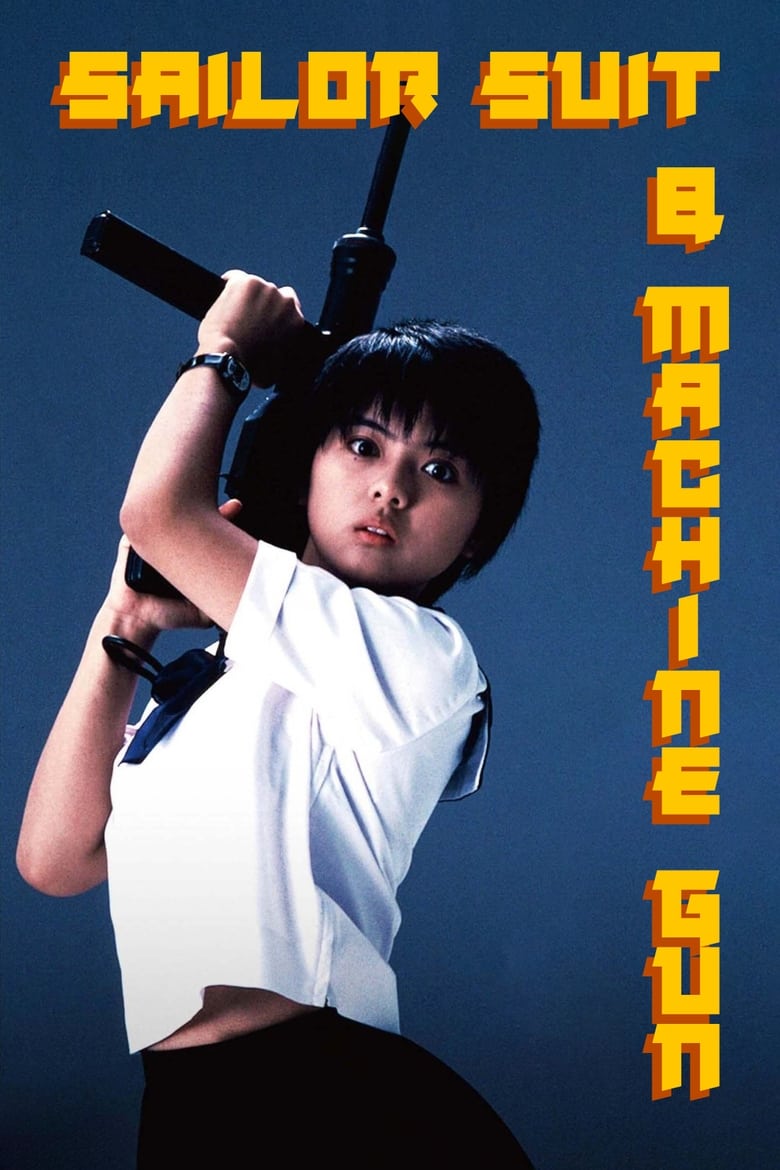
Sailor Suit and Machine Gun
1981
Director
Shinji Sōmai
Runtime
112 minutes
Average Rating
No ratings yetSynopsis
A high-school girl inherits a declining yakuza organization, which seeks to repair its fortunes under her leadership.
Where to Watch
Diversity & Representation
Overall Score
Fair
Category Breakdown
LGBTQ+ Representation
The film does not center on LGBTQ+ identities or non-cisnormative expressions. It operates within traditional heteronormative frameworks regarding romantic interest and identity.
Gender Representation
The narrative subverts the submissive schoolgirl archetype by centering a high-school girl who leads a criminal organization. She demonstrates agency through traditionally masculine traits and violent power dynamics.
Racial & Ethnic Diversity
The cast is predominantly homogeneous, reflecting its specific Japanese urban setting. The film does not actively pursue intersectional racial blending or diverse ethnic identities.
Religious & Cultural Diversity
The story challenges traditional authority and social decorum through a lens of moral relativism. It prioritizes existential emptiness and postmodern critique over established social orders.
Disability Representation
There are no prominent depictions of visible or invisible disabilities. The film focuses on youth rebellion and socioeconomic shifts rather than physical or neurodivergent impairments.
Strengths
- Subverts traditional gender hierarchies by giving a female protagonist agency in a masculine criminal underworld.
- Challenges social institutions and traditional authority through a postmodern, relativistic narrative lens.
- Dismantles the 'pure' schoolgirl archetype by embracing themes of violence and social transgression.
Areas for Improvement
- Lacks representation of LGBTQ+ identities and non-cisnormative gender expressions.
- Maintains a predominantly homogeneous cast with little ethnic or racial diversity.
- Provides no meaningful depiction of characters with physical or invisible disabilities.
AI Analysis
Shinji Sōmai’s film is a sophisticated deconstruction of social archetypes. It succeeds most prominently by dismantling gendered expectations, replacing the passive schoolgirl trope with a protagonist who navigates high-stakes, violent power structures. However, the film lacks intersectional depth. It remains largely homogeneous in its racial and ethnic makeup and offers no representation for LGBTQ+ identities or individuals with disabilities. Ultimately, the work's progressive value stems from its rejection of traditional moral hierarchies. It trades conventional binaries for a complex, relativistic view of agency and social transgression.
Rate this Movie
Reviews
No reviews yet. Be the first to share your thoughts on this movie!
Use the rating form above to leave a star rating and optional review.