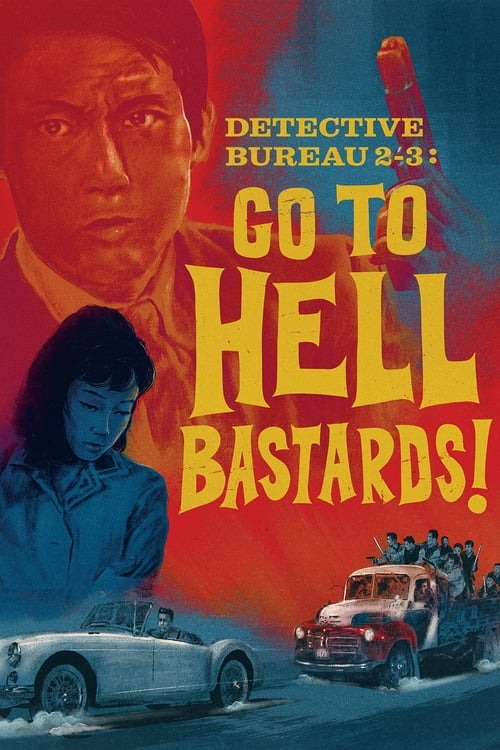
Detective Bureau 2-3: Go to Hell, Bastards!
1963
No user ratings available yet
Diversity score: 5.0 out of 10

1965
Director
Seijun Suzuki
Runtime
87 minutes
Average Rating
No ratings yetSynopsis
After his own gang sets him up to kill a rival mobster, a hit man is forced to flee with his younger brother.
Overall Score
Fair
Category Breakdown
LGBTQ+ Representation
The film lacks explicit evidence of non-heteronormative identities or same-sex intimacy. The narrative focuses on traditional masculine bonds between brothers within a crime framework.
Gender Representation
The story centers on a male-dominated underworld and traditional masculine archetypes. While Suzuki often stylized female characters, the plot remains driven by male agency and patriarchal gang structures.
Racial & Ethnic Diversity
As a 1965 Japanese production, the film features a culturally homogeneous cast. It avoids the Western-centric casting common in international imports of the era.
Religious & Cultural Diversity
The narrative critiques organized power structures by focusing on a hitman betrayed by his gang. This portrayal of the outlaw suggests a degree of moral relativism.
Disability Representation
There is no documented evidence of characters with visible or invisible disabilities within the film's narrative.
Strengths
Areas for Improvement
AI Analysis
Tattooed Life is a genre-driven crime drama that operates within the conventional masculine tropes of 1960s Japan. The film's strength lies in its potential to subvert rigid social hierarchies through its depiction of systemic betrayal. However, the work lacks explicit intersectional markers or representation of marginalized identities. The focus remains heavily on the yakuza underworld and traditional brotherhood, which limits its diversity profile. Ultimately, the film serves as a cultural text of its era, questioning institutional loyalty rather than expanding social representation.
1963
1963
1961
1960
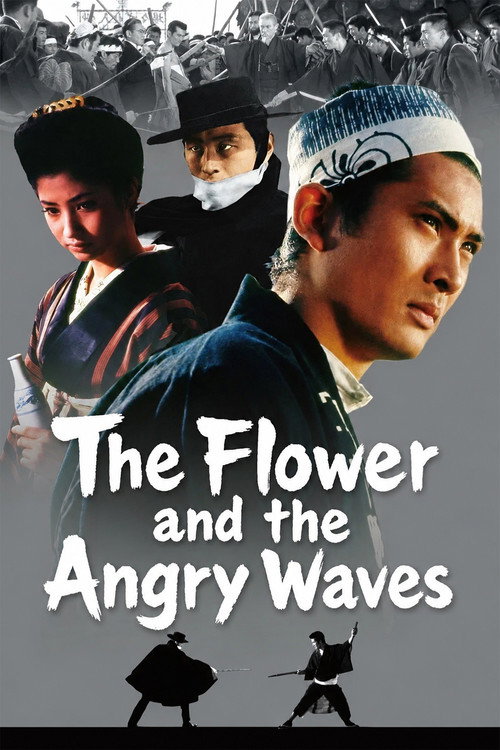
1964
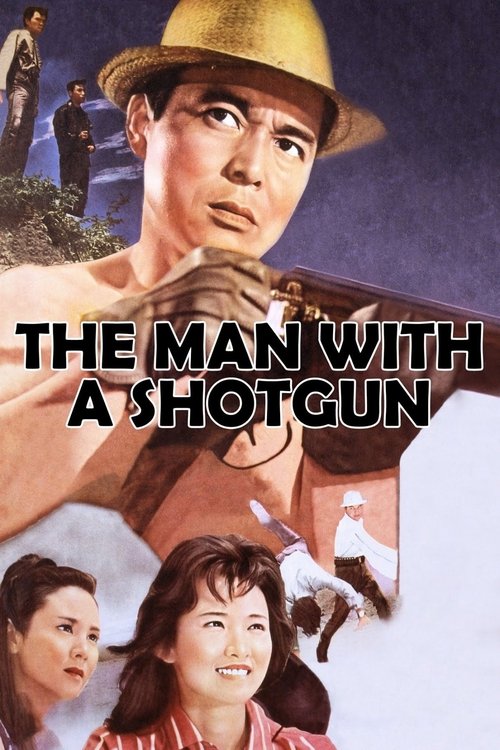
1961
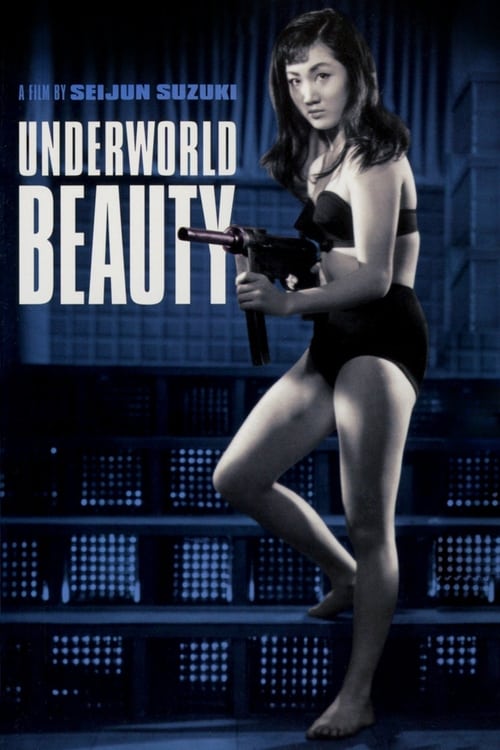
1958
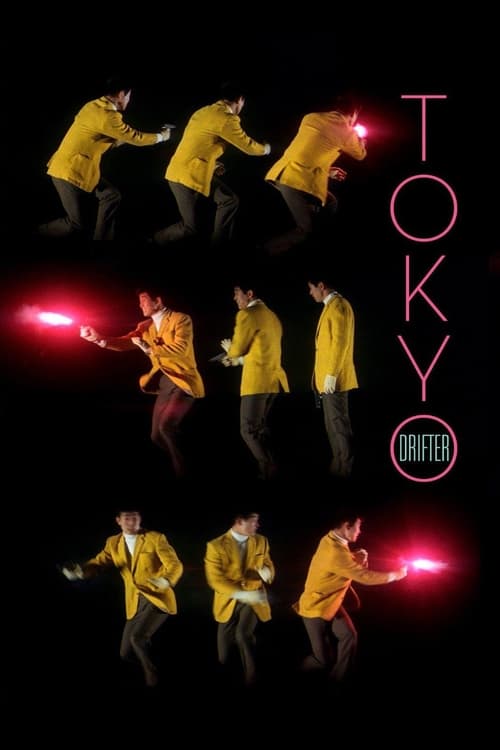
1966
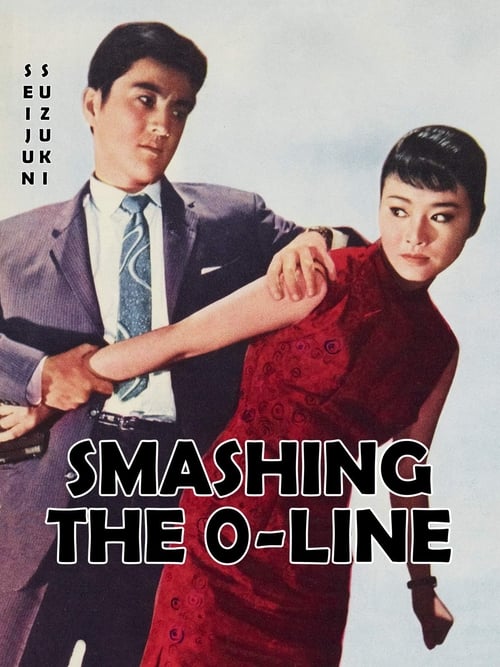
1960
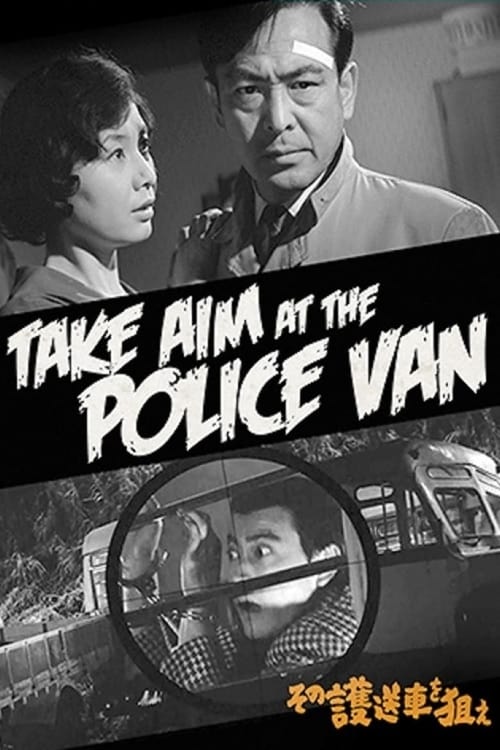
1960
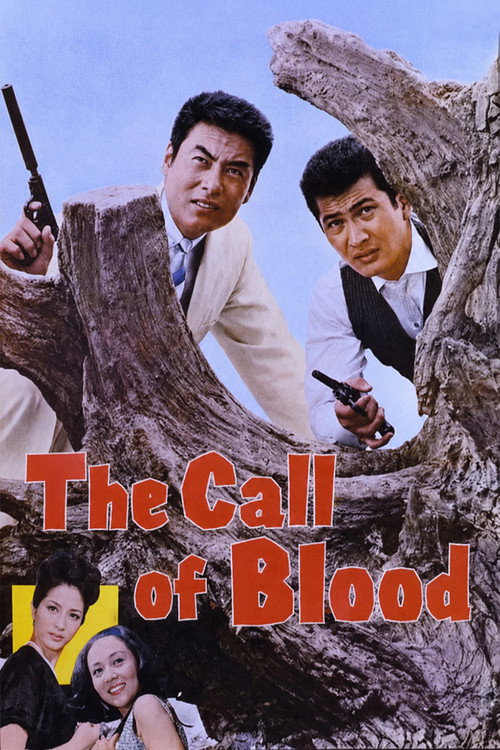
1964
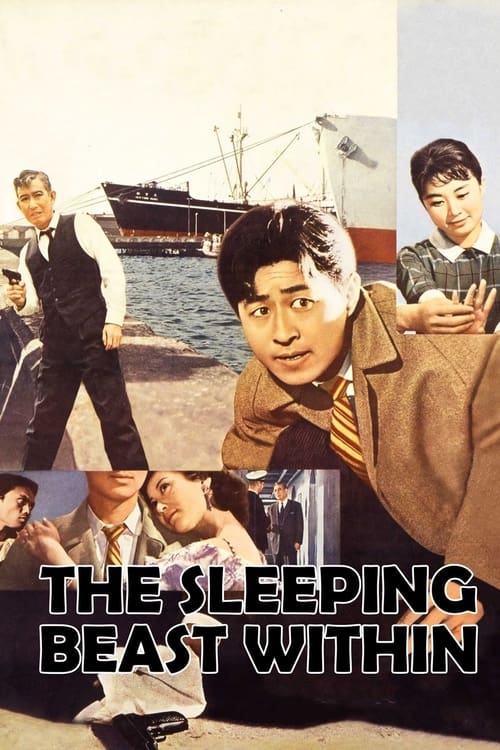
1960
No reviews yet. Be the first to share your thoughts on this movie!
Use the rating form above to leave a star rating and optional review.