
The Threat
1966
No user ratings available yet
Representation score: 2.6 out of 10
Representation Score
Fair
1968
Director
Kinji Fukasaku
Runtime
90 minutes
Average Rating
No ratings yetNew Showbiz Analysis
Kinji Fukasaku’s direction provides a gritty, kinetic look at systemic corruption and the tension between individual control and social hierarchies. The film excels in its thematic deconstruction of authority, using moral ambiguity to challenge traditionalist frameworks. However, the film remains limited by the social constraints of its era. The narrative is heavily centered on male-dominated criminal structures and lacks significant racial or LGBTQ+ representation. Ultimately, the work is a study of class and individualistic control rather than a diverse social tapestry, finding its strength in its critique of organized power.
Category Breakdown
The film does not include any explicit LGBTQ+ characters or stories that challenge the assumption that everyone is straight or cisgender. It focuses on the criminal underworld, which centers on traditional masculine dynamics.
The story centers on a male-dominated criminal hierarchy. While women may appear in blackmailing schemes, structural power and control remain primarily in the hands of men.
Casting is predominantly homogeneous, reflecting the Japanese studio system of 1968. The narrative prioritizes class-based identity and street-level socio-economics over ethnic diversity.
The film offers high thematic complexity by critiquing established power structures. It disrupts conventional morality through a protagonist who operates outside legal and social institutions.
There is no evidence of characters with visible or invisible disabilities within the narrative.
Present on Screen
Limited or Absent
Official Synopsis
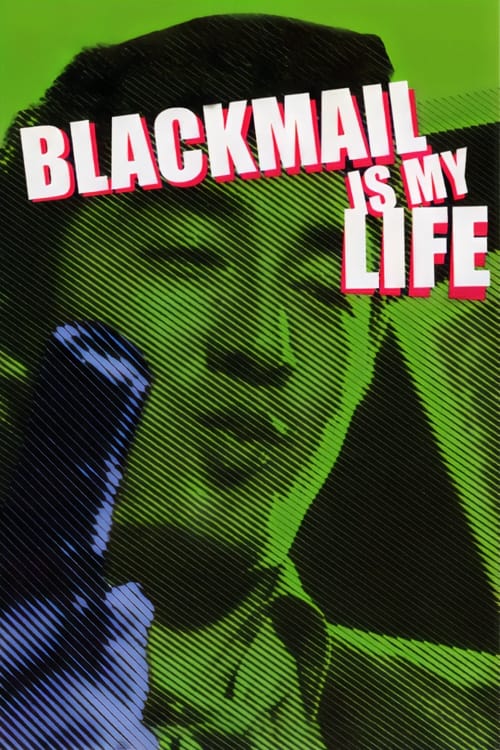
Though he has come from a rough background on the streets, Muraki quickly rises through the ranks by means of his well-honed blackmailing instincts. Desperate to keep rolling with his freewheeling lifestyle, Muraki sees his luck begin to crumble when he sets his sights on the business partners of a powerful gang boss.
1966
1966
1975

1967

1964

1948

1968

1967
No reviews yet. Be the first to share your thoughts on this movie!
Use the rating form above to leave a star rating and optional review.