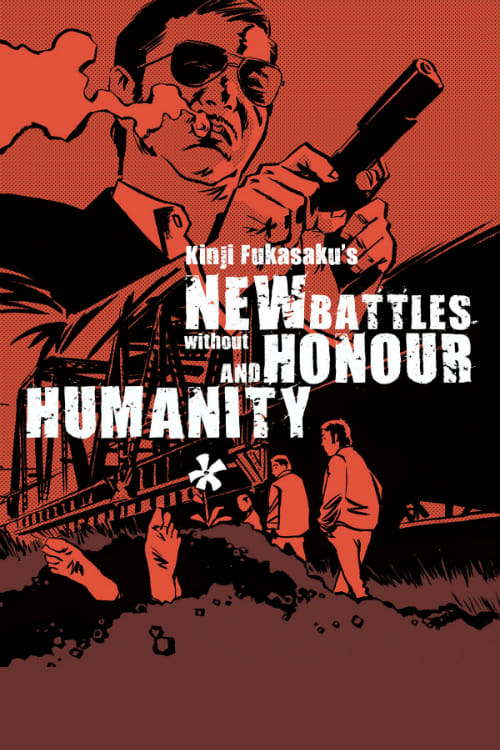
New Battles Without Honor and Humanity 1
1974
No user ratings available yet
Representation score: 1.9 out of 10
Representation Score
Fair
1973
Not RatedDirector
Kinji Fukasaku
Runtime
99 minutes
Average Rating
No ratings yetNew Showbiz Analysis
Fukasaku’s work is a masterful deconstruction of traditional narratives, prioritizing a critical examination of power over demographic diversity. While it lacks representation for LGBTQ+ individuals, women, or people with disabilities, it offers a progressive critique through its systemic analysis. The film dismantles the myth of the honorable warrior, replacing traditional heroism with moral ambiguity. It portrays a society where social and criminal hierarchies fail the individual, providing a sophisticated look at institutional collapse. Ultimately, the film is less focused on identity and more on how a corrupt, emerging capitalist order undermines traditional values.
Category Breakdown
The film adheres to a strictly heterosexual and cisgender framework. It centers on a conventional romantic relationship between the protagonist and the boss's niece, with no non-binary or LGBTQ+ identities represented.
Women are sidelined, serving mainly as emotional support or observers. The narrative lacks strong female roles, focusing instead on the rigid power dynamics controlled by men in the underworld.
The casting is purposefully uniform to reflect the specific socio-historical context of postwar Hiroshima. Though it lacks diverse racial representation, it stays true to its localized cultural setting.
The film stands out by challenging the 'noble yakuza' myth. It replaces the idea of honor with a critique of systemic corruption and the predatory nature of emerging postwar capitalism.
There are no meaningful depictions of disabilities, visible or invisible. Characters are defined almost entirely by their physical strength and survival skills within the criminal world.
Present on Screen
Limited or Absent
Official Synopsis
Repeatedly beat to a pulp by gamblers, cops, and gangsters, lone wolf Shoji Yamanaka finally finds a home as a Muraoka family hitman and falls in love with boss Muraoka's niece. Meanwhile, the ambitions of mad dog Katsutoshi Otomo draws our series' hero, Shozo Hirono, and the other yakuza into a new round of bloodshed.
1974
1973
1977
1966
1973
1974
1976
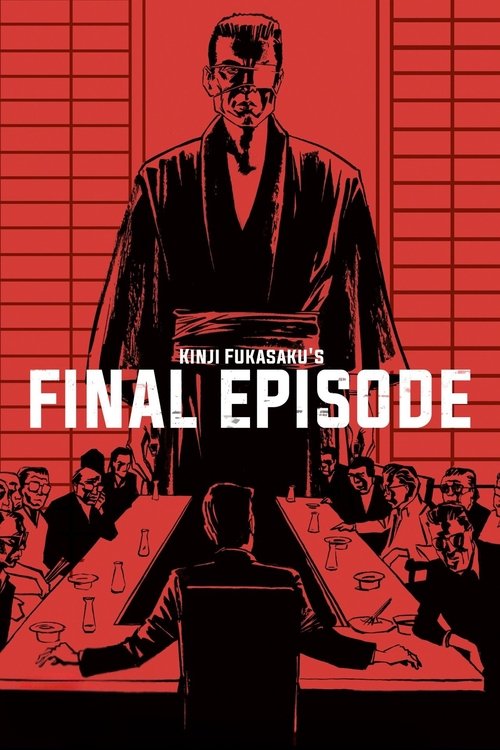
1974
No reviews yet. Be the first to share your thoughts on this movie!
Use the rating form above to leave a star rating and optional review.