
Violent Panic: The Big Crash
1976
No user ratings available yet
Representation score: 5.0 out of 10
Representation Score
Limited
1972
Director
Kinji Fukasaku
Runtime
86 minutes
Average Rating
No ratings yetNew Showbiz Analysis
Kinji Fukasaku’s work challenges the romanticized image of the yakuza by highlighting the harsh realities of social displacement. The film effectively dismantles established social hierarchies and institutional authority through its gritty, morally complex lens. However, the film lacks contemporary markers of diversity such as LGBTQ+ identities and disability representation. It focuses on a homogeneous, masculine-centric criminal world. Ultimately, the film’s strength lies in its subversion of genre clichés and its exploration of life on the margins, even though its demographic range is narrow.
Category Breakdown
The film does not include any characters with non-traditional gender identities or same-sex relationships. It focuses solely on male camaraderie and criminal connections.
The story revolves around a male-dominated criminal underworld. Although it examines unstable masculinity rather than traditional patriarchal structures, it does not provide much evidence of women taking significant roles in the plot.
The cast is primarily made up of Japanese actors. However, the film avoids Western storytelling conventions by emphasizing non-Western narrative structures.
The film critiques institutions that maintain rigid social orders. It highlights the struggles of individuals against corrupt systems and outdated gang loyalties.
There are no characters with disabilities who play significant roles or drive the main narrative.
Present on Screen
Limited or Absent
Official Synopsis
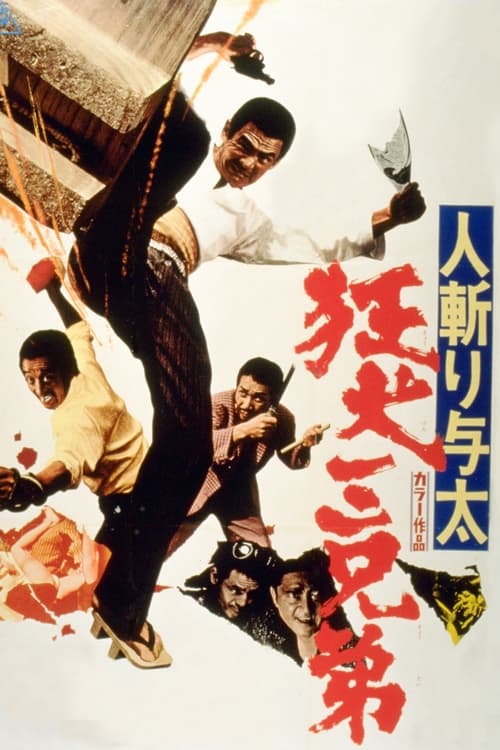
The great Bunta stars as a gangster who is sent to jail for the sake of his gang, but when he’s released he finds everything completely changed and his gang has swept him aside for being too violent. He tries to start a new life with his two ”brothers” but can’t seem to escape old affiliations
1976
2017

1971
1974
1971
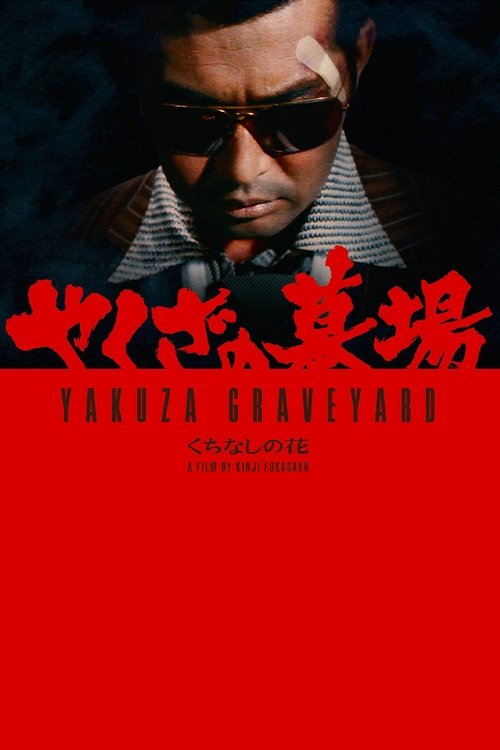
1976
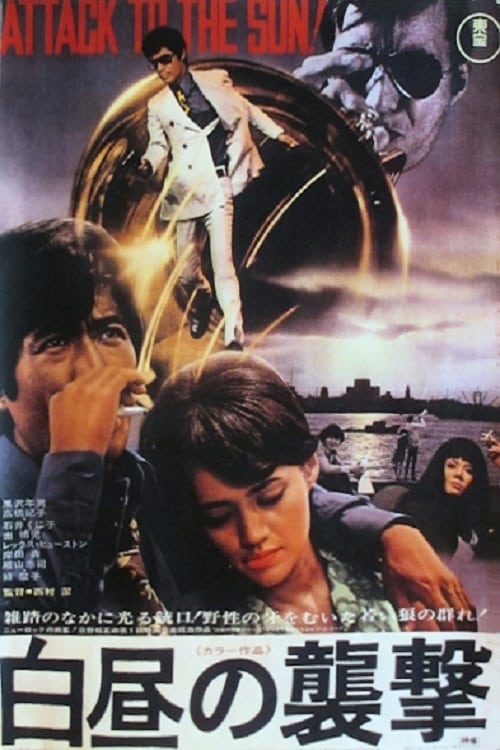
1970
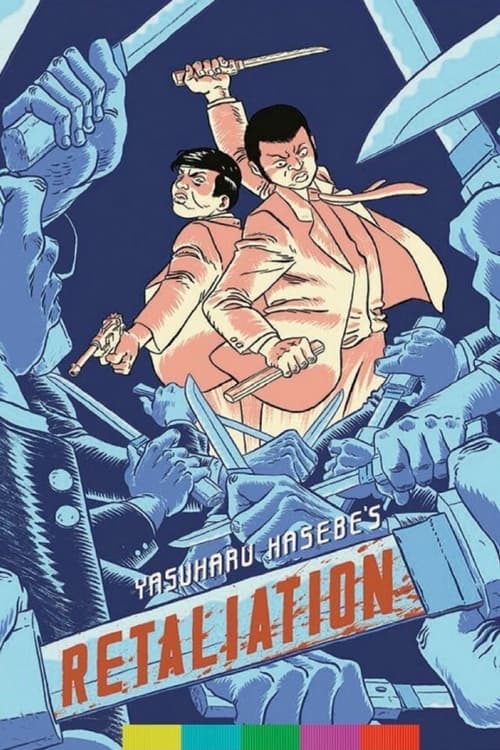
1968
No reviews yet. Be the first to share your thoughts on this movie!
Use the rating form above to leave a star rating and optional review.