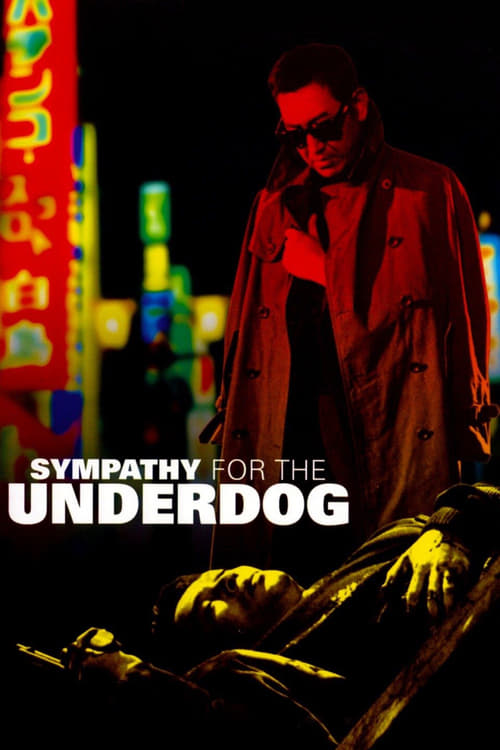
Sympathy for the Underdog
1971
No user ratings available yet
Representation score: 5.4 out of 10
Representation Score
Minimal
1976
Not RatedDirector
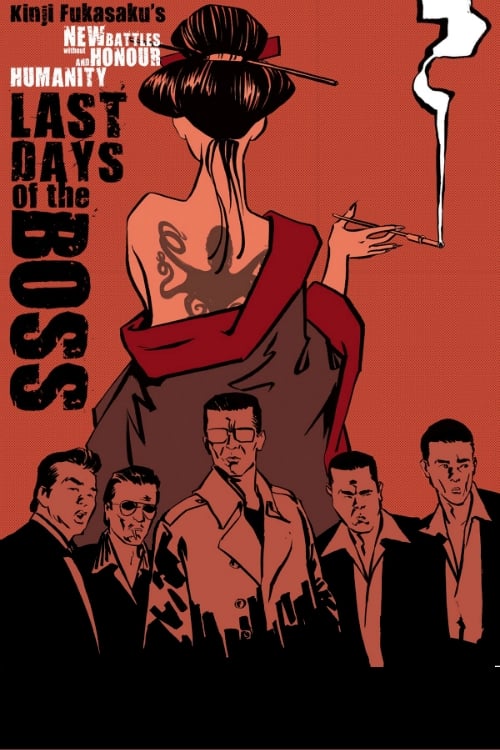
Kinji Fukasaku
Runtime
91 minutes
Average Rating
No ratings yetNew Showbiz Analysis
Kinji Fukasaku’s film is a masterclass in narrative subversion, dismantling the romanticized 'noble outlaw' cliché in favor of gritty, systemic realism. It excels at deconstructing the corrupt structures of post-war Japan, portraying both criminal and capitalist hierarchies as exploitative and futile. However, this intellectual depth is paired with a lack of demographic variety. The film remains deeply traditionalist regarding identity, centering almost exclusively on a hyper-masculine, ethnically homogeneous underworld. While it challenges social institutions, it does not challenge traditional gender or racial hierarchies.
Category Breakdown
The film focuses on a criminal brotherhood and does not include any LGBTQ+ identities or same-sex relationships.
The story centers around male-driven conflict and action, with women primarily serving as domestic anchors or romantic interests rather than active participants in the plot.
The cast is ethnically homogeneous, reflecting the specific historical setting of post-WWII Hiroshima. It highlights a particular Japanese subculture rather than a diverse range of ethnicities.
The film critiques corrupt institutional ideals and prioritizes moral relativism and situational ethics over traditional notions of heroism or honor.
There is no discernible focus on visible or invisible disabilities. Characters are defined by socioeconomic struggle and physical capacity for violence rather than neurodivergence or impairment.
Present on Screen
Limited or Absent
Official Synopsis
The eighth sequel of the series by the successful “Fukasaku and Bunta” collaboration revolves around the men of a lesser organization that are constantly bullied by the upper organization and “bleed in vain” in gang wars.
1971
1973

1976
1973
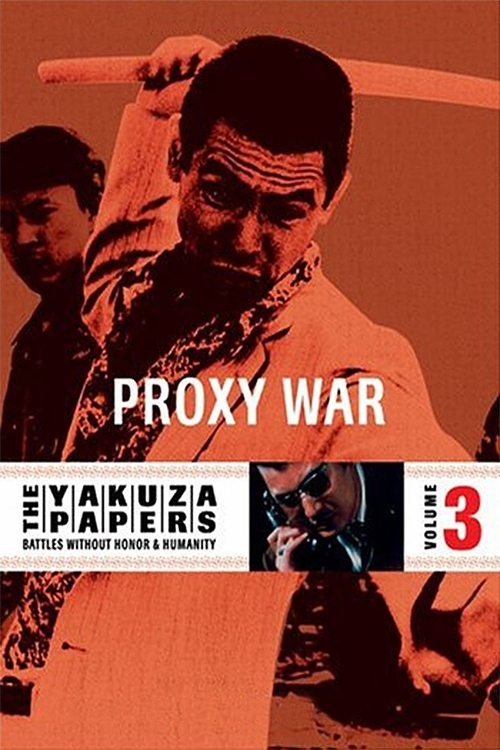
1973
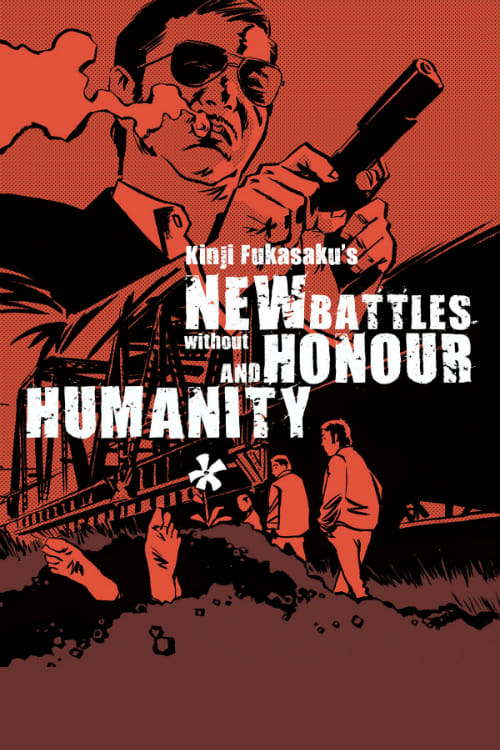
1974
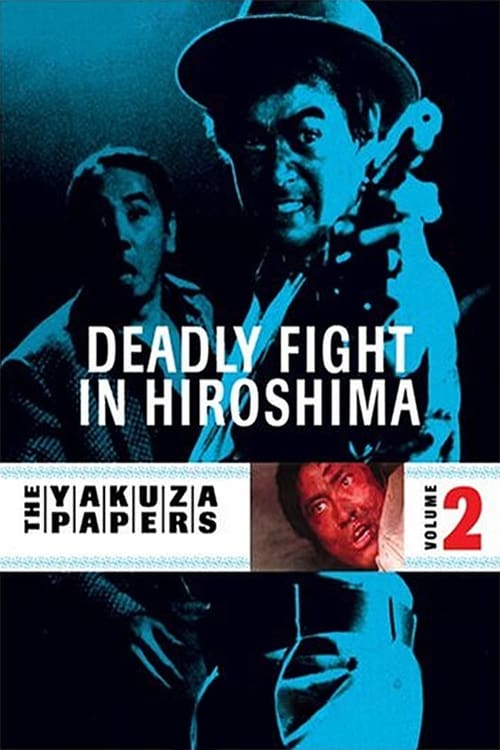
1973
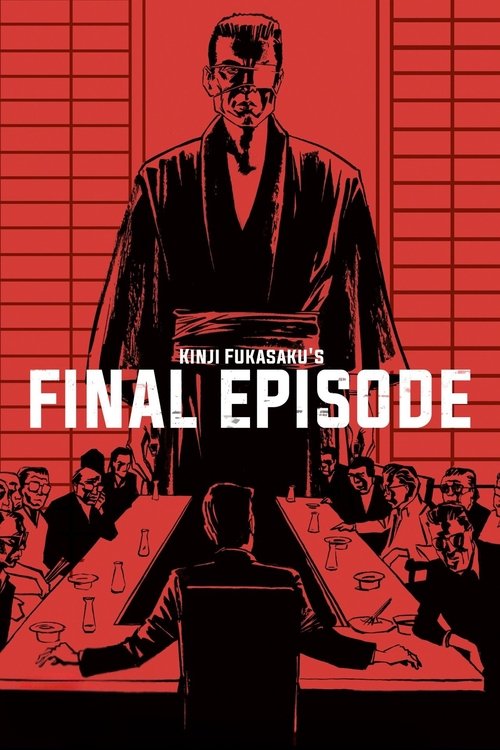
1974
No reviews yet. Be the first to share your thoughts on this movie!
Use the rating form above to leave a star rating and optional review.