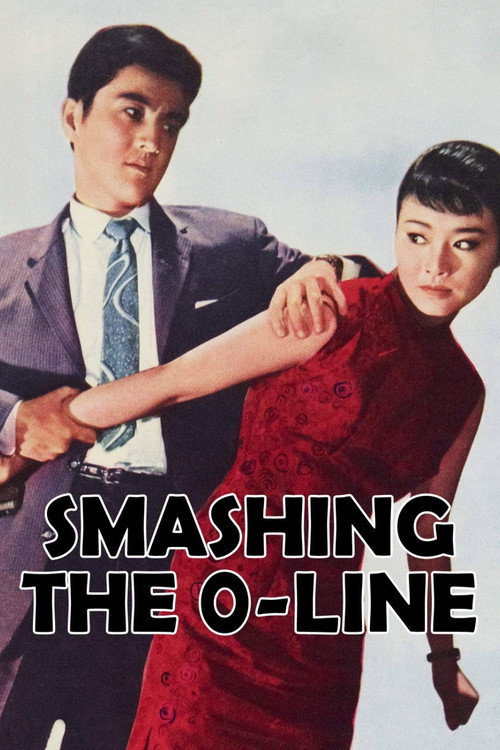
Smashing the 0-Line
1960
No user ratings available yet
Representation score: 5.9 out of 10

Representation Score
Fair
1964
Director
Kinji Fukasaku
Runtime
95 minutes
Average Rating
No ratings yetNew Showbiz Analysis
Kinji Fukasaku’s work excels at deconstructing social hierarchies and portraying the chaos of the human condition through a lens of systemic friction. While the film lacks diverse representation regarding gender and orientation, it achieves progressive value through its critique of authority. It rejects traditional moral certainties in favor of a more complex, survivalist worldview. The narrative prioritizes individual chaos over institutional stability, making it a subversive piece of cinema that challenges the stability of the family and the corruption of established power structures.
Category Breakdown
The film doesn't include any openly LGBTQ+ characters or situations. The story focuses on brotherly conflicts and criminal activities.
The story is dominated by male characters, highlighting volatile brotherly relationships. Female characters mainly serve as plot catalysts, such as the deceased mother.
As a Japanese production, the film presents a non-Western perspective. It focuses on local social dynamics and domestic issues.
The film sharply critiques traditional institutions and the sanctity of the family unit. It replaces conventional morality with a gritty, situational ethics.
There are no characters dealing with physical or neurodivergent disabilities in the narrative.
Present on Screen
Limited or Absent
Official Synopsis
Sabu and his pals hold a pauper's funeral for Sabu's mother. His brother Jiro arrives home, fresh out of jail, and Sabu pointedly states that Jiro is not invited. Jiro meanwhile is planning a big job - steal 40 million in cash and drugs, and he invites Sabu and gang to act as decoys, for 50,000 each. The sting is a success, but the double-crossing starts almost immediately. Sabu discovers how little of the take they were promised and hides the stash. Jiro and his slimy partner pressure the kids to fess up. Meanwhile, their respectable elder brother Ichiro is being leaned on by the town's big boss, whose money it was.
1960
1949
1964
1973
1968
1954
2016
1972
No reviews yet. Be the first to share your thoughts on this movie!
Use the rating form above to leave a star rating and optional review.