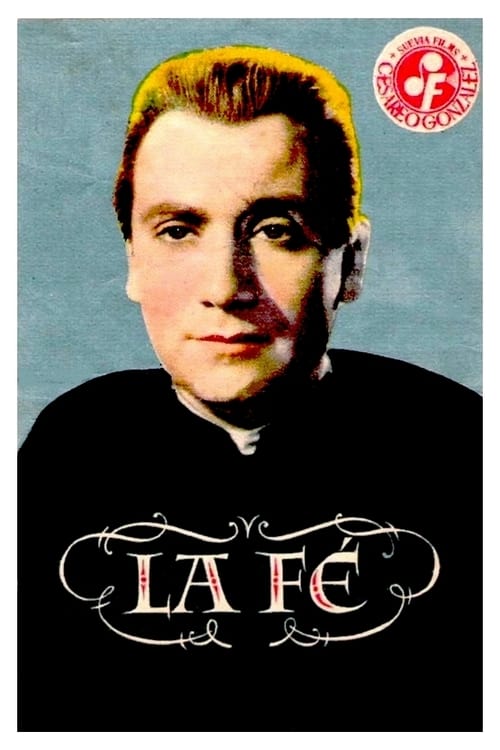
The Faith
1947
No user ratings available yet
Representation score: 0.9 out of 10

Representation Score
Limited
1952
ApprovedDirector
Rafael Gil
Average Rating
No ratings yetNew Showbiz Analysis
Path to the Kingdom presents a narrative deeply rooted in the social and religious structures of 1950s Spain. While the film features a strong female protagonist with significant influence, her journey is shaped by service to traditional institutions rather than secular independence. The film's setting in a convent and hospital suggests a culturally uniform environment. This absence of diverse representation limits the film's scope, as it adheres closely to the moral and social norms of its time. Ultimately, the work highlights religious duty and conventional virtue. It showcases female leadership while staying within the boundaries of established institutional norms.
Category Breakdown
The film does not include any LGBTQ+ characters or stories that challenge the assumption that everyone is straight or cisgender. The story focuses on a traditional religious vocation within a convent.
Soledad is a strong female lead who shows leadership and courage. However, her role is defined by conventional feminine virtues and self-sacrifice for religious purposes.
The setting and era suggest a homogeneous Spanish environment. There is no indication of racial diversity or varied ethnic representation within the hospital or convent.
The narrative emphasizes religious devotion and the importance of the Church. It reinforces traditional Western institutions as the main source of moral guidance.
The plot involves caring for the sick, but characters may have limited autonomy. They seem to serve as passive recipients of care to highlight the protagonist's virtue.
Present on Screen
Limited or Absent
Official Synopsis
Soledad is a famous singer who, one fine day, decides to turn her life around and enter a convent to help others. The press and her family are baffled: now, the great figure of Spanish singing has become Sister María de la Asunción and works caring for the sick in a hospital that has serious financial problems. At first, everything is difficult, but the intrepid nun manages to get ahead through courage and generosity.
1947

1952
1945

1943
1951
1965
1975
1959
No reviews yet. Be the first to share your thoughts on this movie!
Use the rating form above to leave a star rating and optional review.