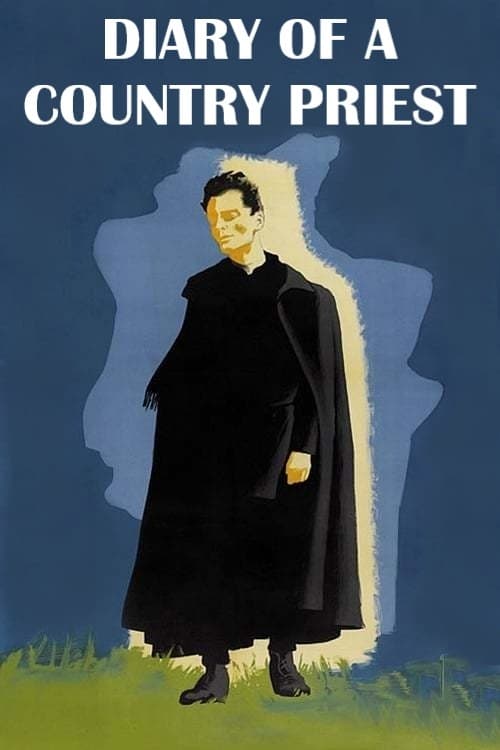
Diary of a Country Priest
1951
No user ratings available yet
Representation score: 2.7 out of 10
Representation Score
Minimal
1944
ApprovedDirector
John M. Stahl
Runtime
137 minutes
Average Rating
No ratings yetNew Showbiz Analysis
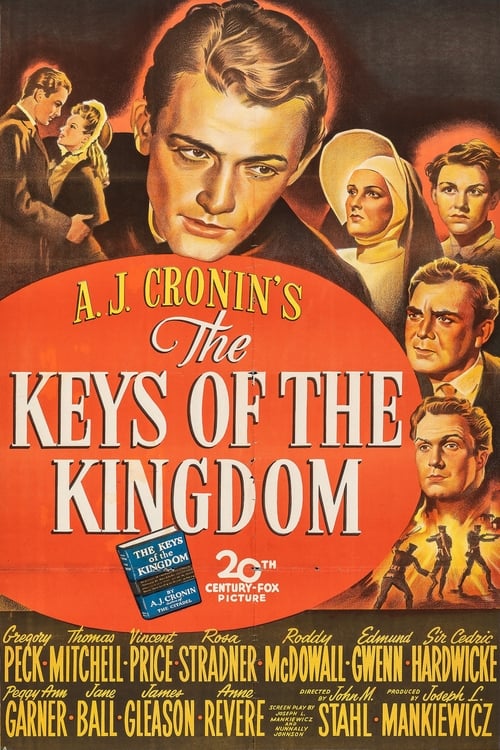
The Keys of the Kingdom is a classic mid-century melodrama that adheres to the social and religious norms of its time. While it uses an international setting, the perspective remains rooted in Western cultural values and traditional storytelling. The film focuses on the internal psychological struggles of a male protagonist, with limited space for diverse perspectives or subversion of established norms. Character roles, especially for women and non-Western individuals, primarily support the central religious mission.
Category Breakdown
The film centers on a heterosexual relationship between Father Chisholm and Margaret, with no queer subtext or non-traditional gender identities.
The narrative emphasizes the male protagonist's spiritual journey. Margaret's role as an emotional support figure aligns with mid-century portrayals of women.
The film's setting in China is dominated by Western perspectives. Chinese characters primarily serve as backdrops, lacking independent depth and nuance.
The story upholds traditional Catholic values and institutions. It celebrates the sanctity of the clerical vocation without exploring moral relativism.
There are no significant depictions of physical or neurodivergent disabilities. Environmental challenges like disease are portrayed as obstacles rather than lived experiences.
Present on Screen
Limited or Absent
Official Synopsis
A young priest, Father Chisholm is sent to China to establish a Catholic parish among the non-Christian Chinese. While his boyhood friend, also a priest, flourishes in his calling as a priest in a more Christian area of the world, Father Chisholm struggles. He encounters hostility, isolation, disease, poverty and a variety of set backs which humble him, but make him more determined than ever to succeed.
1951

1943

1962
1965

1953

1991
1955
1979
No reviews yet. Be the first to share your thoughts on this movie!
Use the rating form above to leave a star rating and optional review.