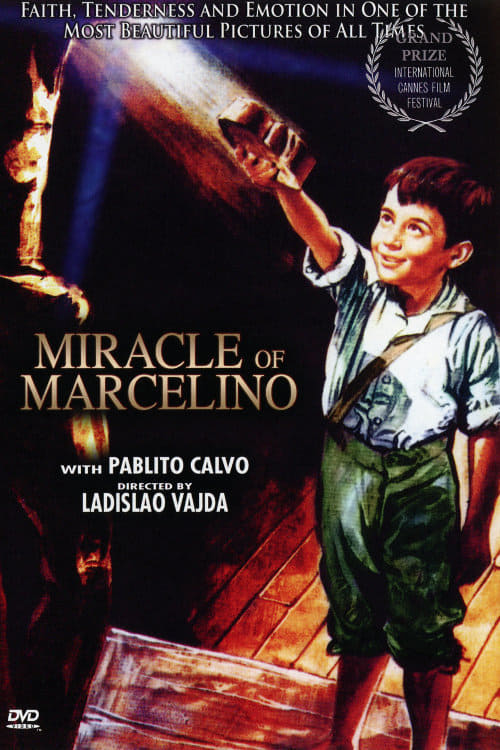
The Miracle of Marcelino
1955
No user ratings available yet
Representation score: 1.4 out of 10
Representation Score
Minimal
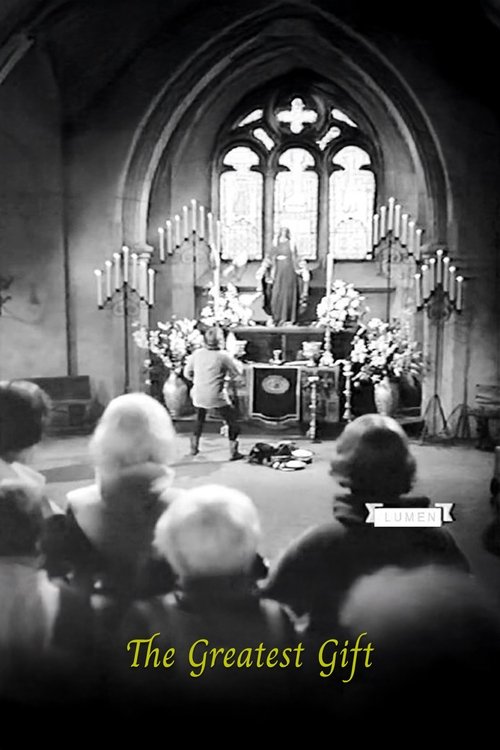
1942
ApprovedDirector
Harold Daniels
Runtime
11 minutes
Average Rating
No ratings yetNew Showbiz Analysis
The film operates within a traditional mid-century framework, prioritizing historical realism and religious moral structures. The narrative architecture is narrow, focusing on a singular protagonist and a monastic collective. Diversity is limited by the period setting and the era's cinematic conventions. The story emphasizes individual gratitude and institutional charity rather than exploring multiple aspects of identity or challenging social hierarchies. While the film explores themes of care and recovery, it lacks the breadth required for a modern inclusive perspective, adhering instead to the demographic and social norms of medieval France.
Category Breakdown
The film does not include any LGBTQ+ identities. It focuses on traditional social structures typical of 1942 cinema.
The story centers on male experiences, particularly the juggler and the monks. women's ability to drive the story or leadership is notably absent from the primary plot.
Set in medieval France, the film reflects the demographic homogeneity of the time. It emphasizes a singular ethnic identity consistent with historical norms.
The narrative reinforces traditional Western institutions like the Church. It follows a conventional moral arc centered on religious charity and gratitude.
The protagonist's physical vulnerability serves as a central plot point. However, it remains unclear if this portrayal offers true ability to act or merely serves as a catalyst for benevolence.
Present on Screen
Limited or Absent
Official Synopsis
Medieval French monks find a freezing, ill juggler and take him in. Upon recovering, the impoverished man wishes to illustrate his tremendous gratitude. He eventually finds a way to.
1955

1962

1929
1954
1941

1921
1948
1963
No reviews yet. Be the first to share your thoughts on this movie!
Use the rating form above to leave a star rating and optional review.