Odette
1950
No user ratings available yet
Diversity score: 2.8 out of 10
1951
Director
Herbert Wilcox
Runtime
110 minutes
Average Rating
No ratings yetSynopsis
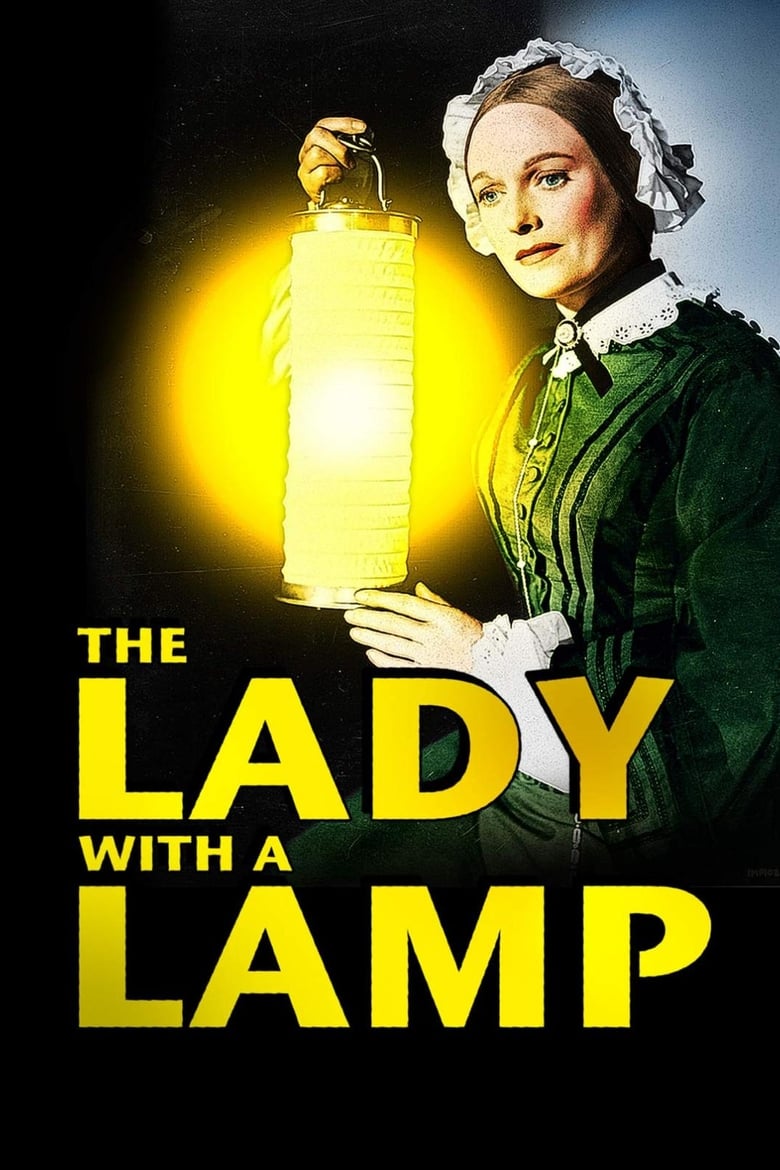
Based on the Reginald Berkeley stage play, this compelling historical drama offers a depiction of the life story of Florence Nightingale, the young 19th-century Englishwoman famously drawn to a career in nursing. Traveling to Turkey during the Crimean War, Florence gains a reputation for being devoted to the care of wounded soldiers and for pioneering higher standards for sanitary hospital conditions.
Overall Score
Limited
Category Breakdown
LGBTQ+ Representation
The film follows a strictly biographical path within 19th-century social norms. It lacks any depiction of non-cisnormative identities or same-sex intimacy, operating within a traditional heteronormative framework.
Gender Representation
Nightingale’s journey from high-society domesticity to military medical command subverts traditional female passivity. She demonstrates significant professional intellect and administrative authority, challenging the era's patriarchal structures.
Racial & Ethnic Diversity
The cast is predominantly white and Anglo-Saxon, reflecting the colonial hierarchies of the Crimean War. The Turkish setting is viewed through a Western lens with minimal local representation.
Religious & Cultural Diversity
This tribute to a British icon emphasizes duty and Victorian service. It reinforces Western institutions and traditional morality rather than critiquing existing social structures or advocating for radical change.
Disability Representation
The narrative centers on wounded soldiers and the physical trauma of war. However, disability serves primarily as a catalyst for Nightingale’s reforms rather than a focus on the patients' own agency.
Strengths
Areas for Improvement
AI Analysis
The film succeeds as a character study of female agency, showing Florence Nightingale navigating and commanding male-dominated spaces. This subversion of gendered professional boundaries provides the work's most progressive element. However, the production remains deeply anchored in the racial and social hierarchies of its time. The perspective is heavily Western-centric, offering little visibility to the local Turkish populations or diverse ethnic groups. Ultimately, the film prioritizes traditionalist values of duty and institutional stability. It lacks the intersectional complexity or systemic critique necessary to move beyond a standard mid-century biographical drama.
1950

1952
1936
1951
1940
1939

1934

2009
1946

1946

1968

1932
No reviews yet. Be the first to share your thoughts on this movie!
Use the rating form above to leave a star rating and optional review.