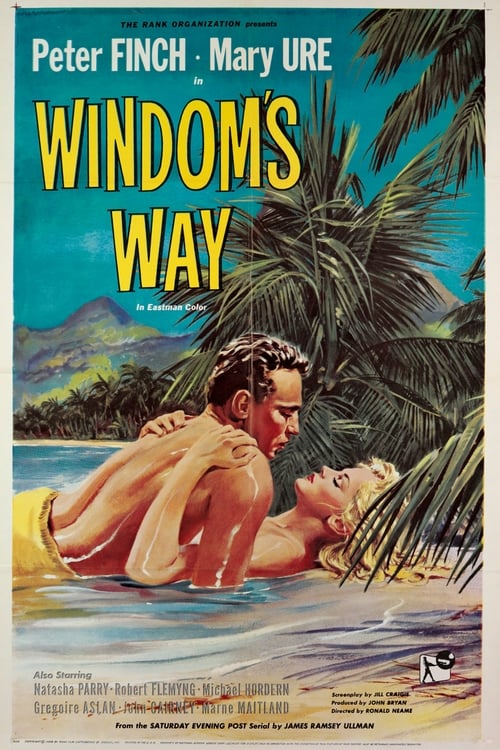
Windom's Way
1957
No user ratings available yet
Representation score: 2.2 out of 10
Representation Score
Fair
1957
NRDirector
Ronald Neame
Runtime
94 minutes
Average Rating
No ratings yetNew Showbiz Analysis
The film is a mid-century character study focused on individual moral failings within a colonial and patriarchal context. While it examines the breakdown of marital and moral certainties through infidelity and moral ambiguity, it remains tied to the social hierarchies of its time. The narrative lacks complexity in its portrayal of diversity, as the Hong Kong setting serves more as a backdrop for Western expatriates than a platform for diverse voices. The focus remains on the protagonist's internal transformation rather than systemic representation. Ultimately, the film's exploration of morality and gender is limited by the traditional archetypes and Western-centric perspectives common in 1957 cinema.
Category Breakdown
The film follows traditional 1950s structures, showing no signs of LGBTQ+ identities or same-sex relationships. It focuses on a conventional romantic triangle.
Carol asserts herself through her actions and decisions, but her story revolves around her reproductive status. Male characters act as steady leaders or moral guides.
Set in Hong Kong, the story uses a Western perspective. Local elements serve as catalysts for the protagonist's growth but don't offer meaningful representation of the local community.
The story contrasts medical necessity with religious traditions within a convent. It explores institutional morality through a protagonist's moral journey.
The film explores physical vulnerability through a cholera epidemic. However, illness mainly serves as a plot device to advance the story rather than delving into the experience of suffering.
Present on Screen
Limited or Absent
Official Synopsis
In post-WWII Hong Kong, unhappily married Carol has an affair with a married man. Her husband discovers it and presents her with a choice: travel with him to a remote mainland village or face the scandal of a very public divorce.
1957
1955
1947

1950

1948
1951
1953
1958
No reviews yet. Be the first to share your thoughts on this movie!
Use the rating form above to leave a star rating and optional review.