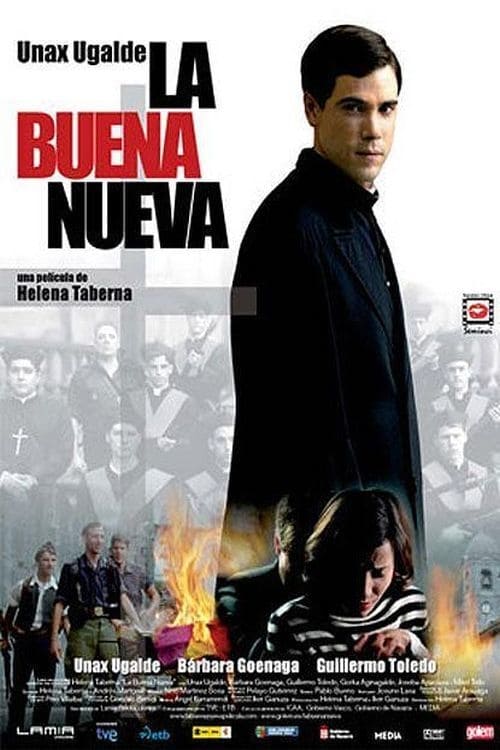
The Good News
2008
No user ratings available yet
Representation score: 3.3 out of 10

Representation Score
Minimal
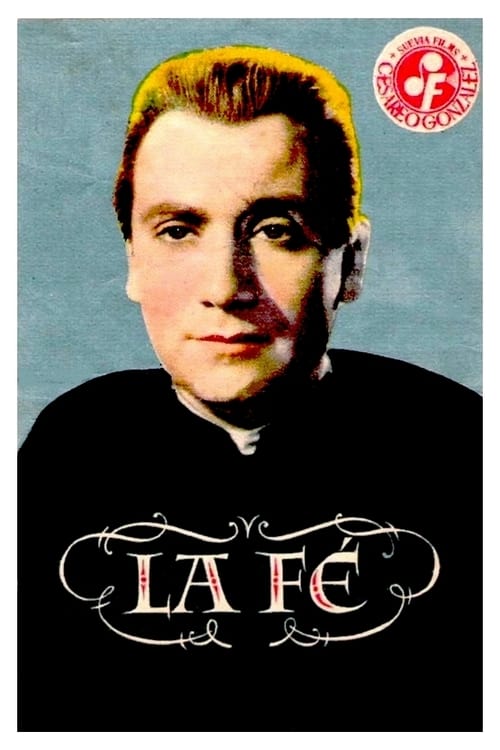
1953
Director
Rafael Gil
Runtime
96 minutes
Average Rating
No ratings yetNew Showbiz Analysis
Rafael Gil’s film is a classic example of mid-century traditionalist cinema. Its narrative structure upholds established social and religious hierarchies without challenging them. By focusing on Catholic morality, the film offers a singular, traditional perspective that lacks complexity in representing diverse identities. Ultimately, it reinforces the social structures of 1950s Spain through a conventional lens.
Category Breakdown
The film adheres to the binary social structures of 1950s Spain and does not include any non-traditional gender identities or same-sex relationships.
Female characters are primarily defined in relation to the male protagonist. They serve as moral guides or temptresses rather than having independent roles in the story.
The cast is ethnically uniform, reflecting the historical context of the film. The film presents a localized, Spanish-centric worldview without addressing racial diversity.
The story emphasizes Catholic morality and the authority of the Church. It highlights the importance of religious devotion and adherence to established spiritual hierarchies.
There is no significant portrayal of physical or neurodivergent disabilities in the film.
Present on Screen
Limited or Absent
Official Synopsis
A young priest encounters major problems in the diocese where he must preach the word of the Lord, mainly as a result of hatred caused by differences in classes
2008
1961
1947
1951

1962

1959

1944
1951
No reviews yet. Be the first to share your thoughts on this movie!
Use the rating form above to leave a star rating and optional review.