
The Lady with a Lamp
1951
No user ratings available yet
Representation score: 4.6 out of 10

Representation Score
Limited
1936
NRDirector
William Dieterle
Runtime
92 minutes
Average Rating
No ratings yetNew Showbiz Analysis
The film is a traditional biographical drama centered on the professional elevation of Florence Nightingale. It successfully portrays a woman driving systemic change in a patriarchal society, offering a meaningful look at women's ability to drive the story. However, the work is deeply rooted in the social and racial hierarchies of its era. The cast is homogeneous, and the narrative lacks any representation of LGBTQ+ identities or non-assuming gender matches what was assigned at birth characters. Additionally, the film does not address themes of disability or neurodivergence.
Category Breakdown
The film operates within a strictly straight-centered framework. It adheres to Victorian social mores, showing no evidence of non-straight relationships or same-sex intimacy.
Florence Nightingale serves as a vehicle for women's ability to drive the story. The narrative depicts her exerting intellectual power to transform a profession traditionally seen as passive.
The cast is predominantly white and Anglo-Saxon. This reflects both the historical setting of Victorian England and the production standards of 1936.
Progress is framed through individual heroism and moral duty. The film critiques social hierarchies regarding nursing but reinforces traditional notions of service and professional refinement.
The narrative focuses on professional reform rather than the lived experiences of people with disabilities. There is no significant focus on neurodivergence or physical disability.
Present on Screen
Limited or Absent
Official Synopsis
In Victorian England, Florence Nightingale's heroic measures slowly change the attitude towards nurses when it was considered a disreputable profession.
1951

1965
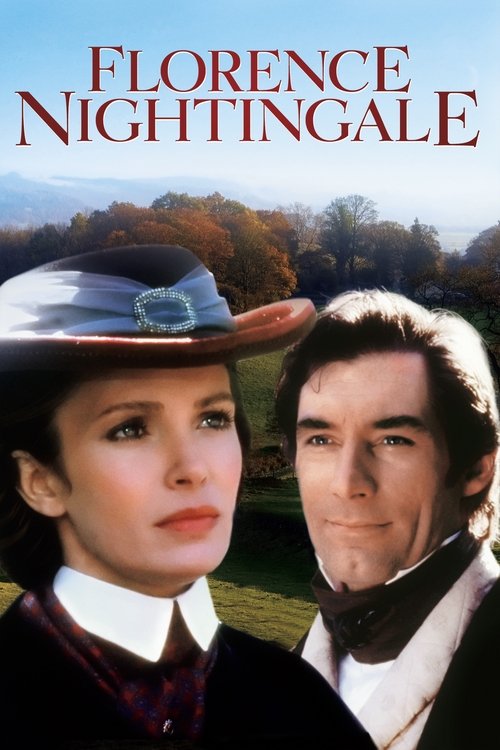
1985

2016

1932
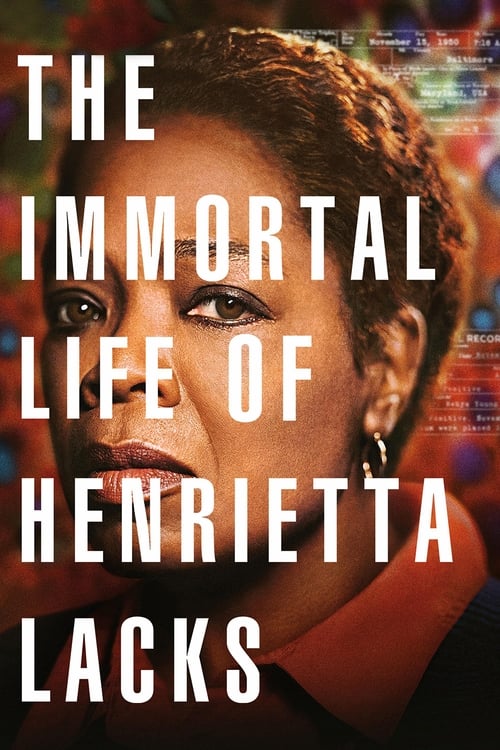
2017
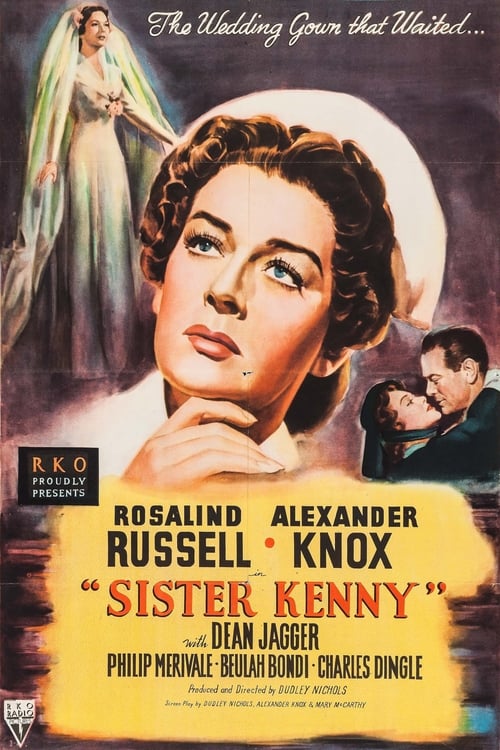
1946
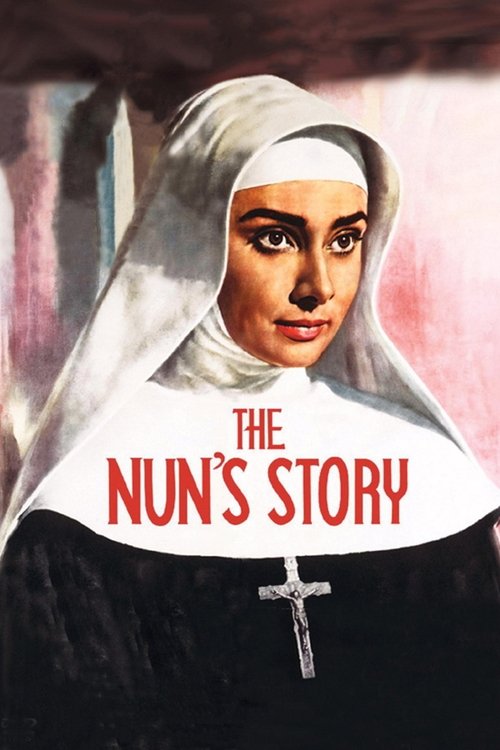
1959
No reviews yet. Be the first to share your thoughts on this movie!
Use the rating form above to leave a star rating and optional review.