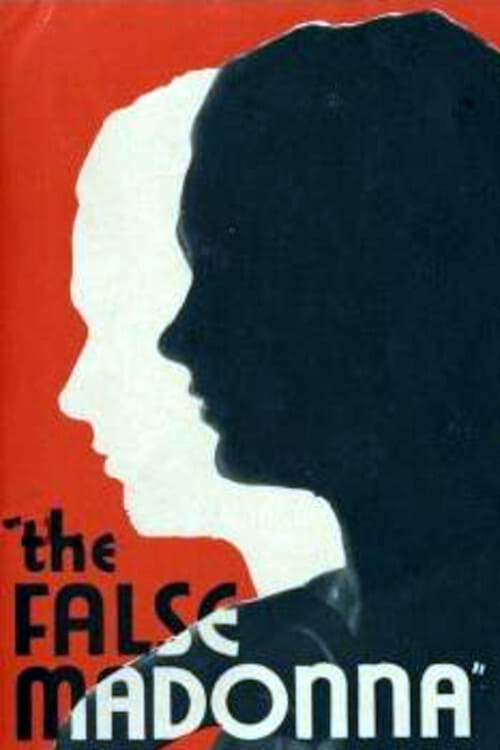
The False Madonna
1931
No user ratings available yet
Representation score: 1.9 out of 10

Representation Score
Limited
1938
NRDirector
Leslie Goodwins
Runtime
67 minutes
Average Rating
No ratings yetNew Showbiz Analysis
Tarnished Angel is a typical product of the late 1930s studio era, emphasizing standard genre clichés over social complexity. While it features a strong female lead with a sense of independence, the film remains firmly rooted in the demographic homogeneity of its time. The narrative relies on traditional social hierarchies and lacks depth in representing diverse identities. Disability and underrepresented identities are used as plot devices rather than providing meaningful representation.
Category Breakdown
The film does not include any queer subtext or non-cisgender identities. Characters follow the heterosexual norms of 1930s Hollywood.
Glenda Farrell brings a sense of independence and autonomy through her character's quick wit and professional survival. However, her independence is limited by the existing patriarchal structures.
The film reflects the homogeneous casting practices of its era, focusing on a traditional, Anglo-centric social framework with no significant characters of color.
The story uses a conventional moral framework and the showgirl archetype. It does not critically examine organized religion or Western institutions.
Disability is used primarily as a narrative device or plot catalyst. The protagonist's fake cures use the sick as a situational element rather than exploring their lived experiences.
Present on Screen
Limited or Absent
Official Synopsis
A showgirl with a dubious reputation flees the cops and transforms herself into a phony evangelist offering "cures" to the sick and disabled.
1931
1920

1925
1940
1919
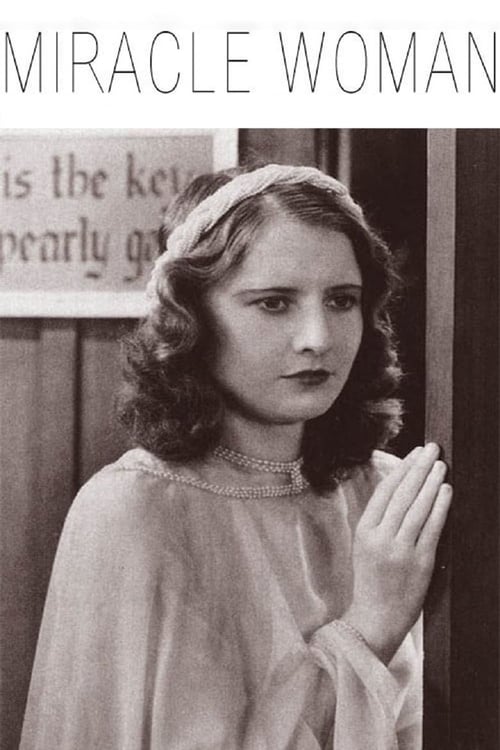
1931
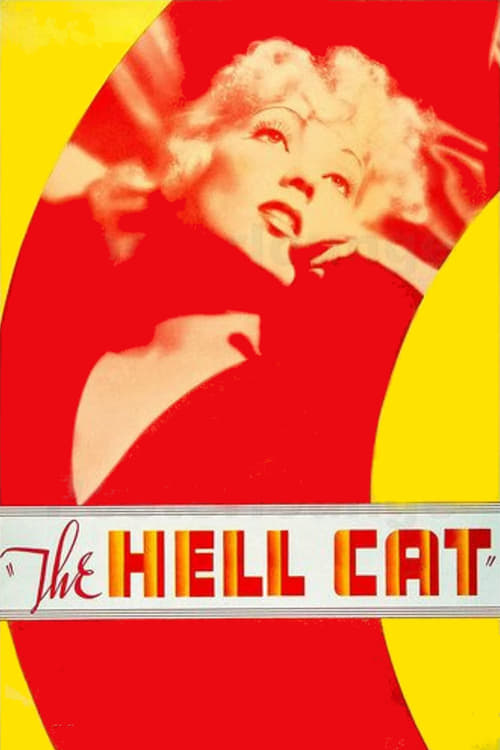
1934
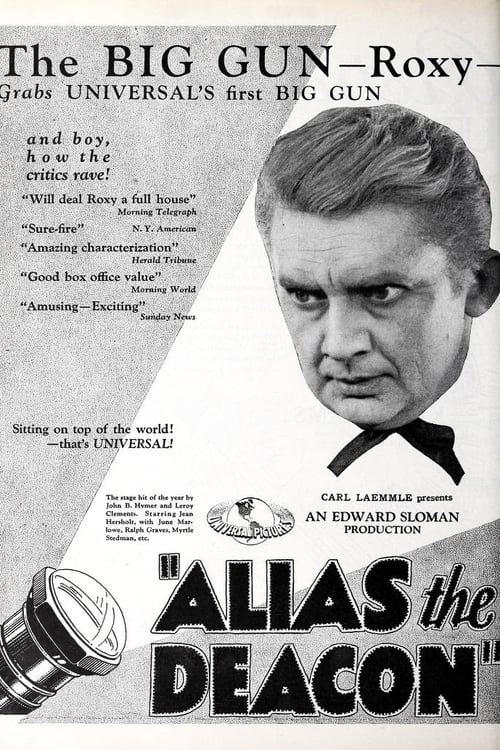
1927
No reviews yet. Be the first to share your thoughts on this movie!
Use the rating form above to leave a star rating and optional review.