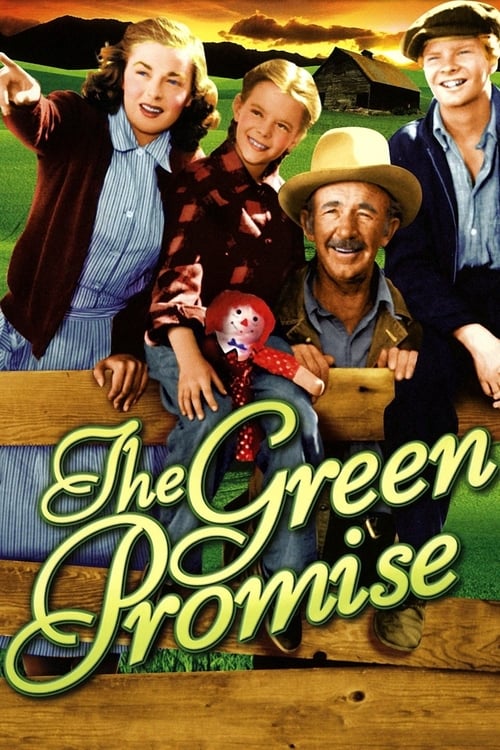
The Green Promise
1949
No user ratings available yet
Diversity score: 2.6 out of 10
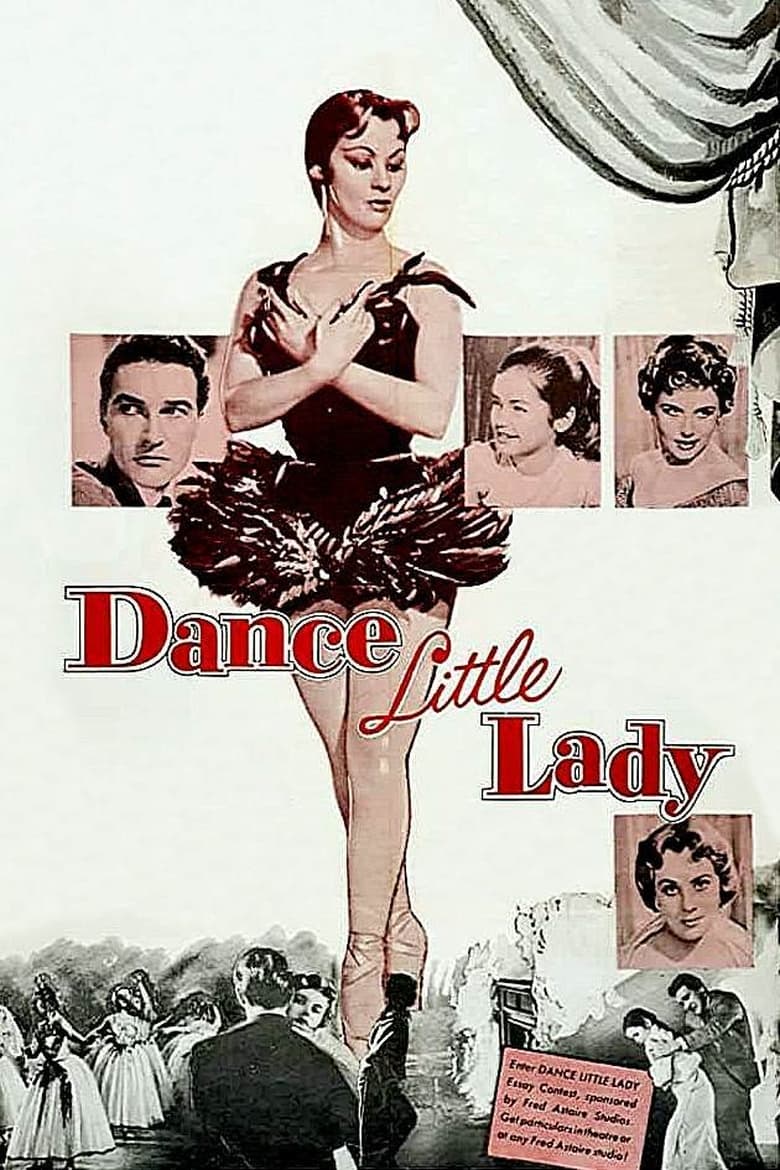
1954
ApprovedDirector
Val Guest
Runtime
87 minutes
Average Rating
No ratings yetSynopsis
When a ballerina's career is ended after she's injured in a traffic accident, her husband decides to try and turn their young daughter into a ballet star. Drama.
Overall Score
Limited
Category Breakdown
LGBTQ+ Representation
The film lacks any evidence of non-heteronormative identities. The narrative focuses on a traditional nuclear family structure typical of 1950s cinema.
Gender Representation
While centering on a female ballerina, the story reinforces patriarchal hierarchies. The husband directs his daughter's career, leaving little room for independent female agency.
Racial & Ethnic Diversity
The film likely adheres to the homogeneous casting standards of 1954 Britain. There is no indication of diverse casting or non-Anglo-Saxon leads.
Religious & Cultural Diversity
The plot emphasizes mid-century values like family sanctity and disciplined excellence. It operates within a framework of traditional social stability and Western institutions.
Disability Representation
A physical injury serves as the primary plot catalyst. However, it is unclear if the disability is explored with nuance or used merely as a narrative device.
Strengths
Areas for Improvement
AI Analysis
Dance Little Lady is a mid-century domestic drama that prioritizes traditional family hierarchies over social subversion. The narrative centers on a husband's attempt to redirect his daughter's life following a wife's career-ending injury. The film reflects the era's standard demographic norms and lacks intersectional complexity. It functions as a conventional drama focused on individual perseverance and familial legacy rather than challenging existing social structures. Ultimately, the work serves as a snapshot of 1950s cinematic conventions, emphasizing patriarchal dynamics and homogeneous representation.
1949
1947

1952
1982
1951
1951
1941
1945
1948
1936
1939
1955
No reviews yet. Be the first to share your thoughts on this movie!
Use the rating form above to leave a star rating and optional review.