Black Sheep
2010
No user ratings available yet
Representation score: 1.3 out of 10
Representation Score
Minimal
2015
Director
Sergei Popov
Runtime
82 minutes
Average Rating
No ratings yetNew Showbiz Analysis
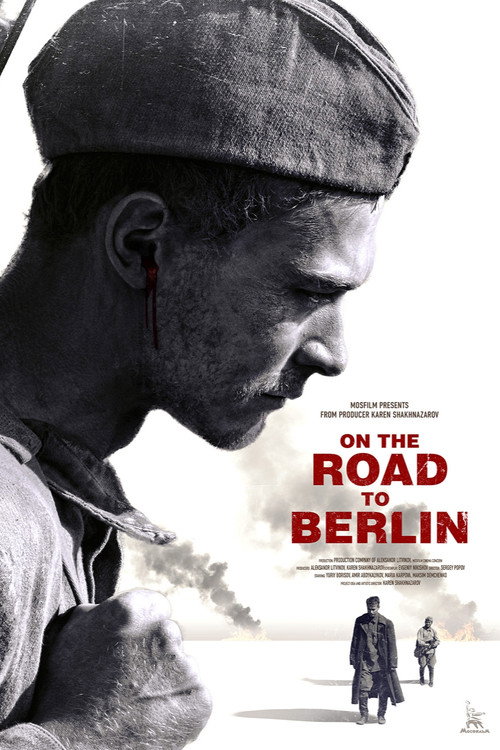
Road to Berlin is a traditional historical war drama that emphasizes themes of survival and friendship. The film closely follows the conventions of the genre, focusing on the bond between two soldiers during a 1942 German encirclement. The film showcases the multi-ethnic composition of the Soviet military through its characters. However, it does not attempt to challenge social hierarchies or traditional gender roles. Overall, the work serves as a conventional exploration of historical endurance rather than a vehicle for challenging traditional narratives.
Category Breakdown
The film centers on male camaraderie in a high-stress combat setting. It does not include characters with non-binary gender identities or critiques of the assumption that everyone is straight.
Male characters play the primary roles in driving the plot through survival scenarios. Female characters are not present in positions of intellectual or physical leadership.
The inclusion of Dzhurabaev highlights the ethnic diversity within the Soviet military. However, the narrative remains focused on the central military struggle with limited detail on broader cast diversity.
The story is set during the Great Patriotic War and emphasizes traditional values of patriotism, duty, and collective sacrifice.
There are no characters dealing with physical or neurodivergent disabilities. The focus remains on the physical endurance needed for combat.
Present on Screen
Limited or Absent
Official Synopsis
Based on a novella by the well-known Soviet writer, Emmanuil Kazakevich "Two in the Steppe" and the war diaries of Konstantin Simonov. It's the summer of 1942, communications officer Ogarkov and private Dzhurabaev are fighting their way through the German encirclement. Finding themselves in difficult situations, they learn to trust one another, becoming true friends in the process.
2010
1977
1946
1945
1984
2014

2010

2010
No reviews yet. Be the first to share your thoughts on this movie!
Use the rating form above to leave a star rating and optional review.