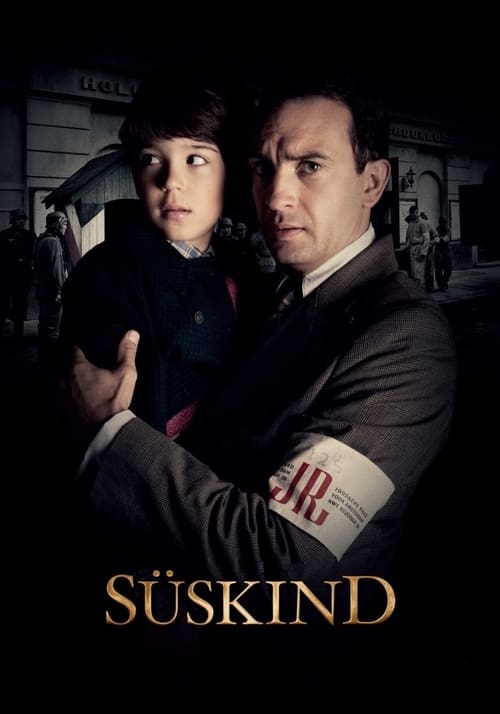
Süskind
2012
No user ratings available yet
Representation score: 4.1 out of 10

Representation Score
Fair
1970
GDirector
Bent Christensen
Runtime
86 minutes
Average Rating
No ratings yetNew Showbiz Analysis
The Only Way is a historical drama centered on the Danish resistance and the rescue of Jewish citizens during the Nazi occupation. Its primary strength lies in its focus on the ability to act of a persecuted minority group fighting against genocidal oppression. However, the film appears constrained by the cinematic conventions of 1970. The narrative structure leans heavily into traditional masculine archetypes of war and valor, likely sidelining diverse gender perspectives and LGBTQ+ identities common to modern storytelling. Ultimately, the film provides a meaningful look at humanitarian resistance, though it may lack modern social breadth.
Category Breakdown
The film lacks any evidence of LGBTQ+ identities or depictions. Given its 1970 production date, queer characters are likely absent or sidelined.
The narrative emphasizes military and political resistance, themes often dominated by masculine archetypes. While women played roles in the resistance, the focus remains on traditional masculine leadership.
The story centers on protecting the Jewish community from Nazi extermination. This highlights the role of a underrepresented group resisting systemic erasure.
The film critiques totalitarianism by prioritizing humanitarian ethics over state authority. It frames the resistance as a necessary disruption of an oppressive political system.
There is no specific evidence regarding the portrayal of physical or neurodivergent disabilities in this historical drama.
Present on Screen
Limited or Absent
Official Synopsis
In April 1940, the armies of Nazi Germany invaded Denmark. The Danish government promised peaceful cooperation on the condition that Denmark's Jews remained free. The Nazis agreed. In October 1943, the agreement was broken... This is the true and magnificent saga of Denmark's valorous actions to save Danish Jews from Nazi extermination at peril of death!
2012
2011
2010

1959

1990
1945
1963
1987
No reviews yet. Be the first to share your thoughts on this movie!
Use the rating form above to leave a star rating and optional review.