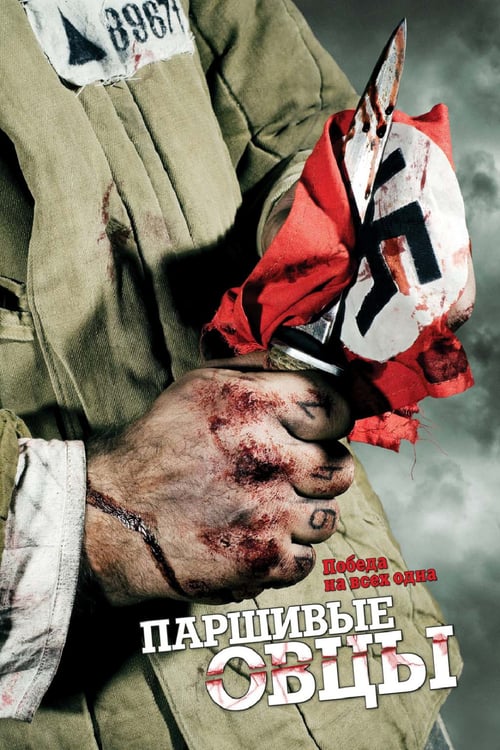
Black Sheep
2010
No user ratings available yet
Representation score: 1.3 out of 10
Representation Score
Minimal
2009
Not RatedDirector
Vladimir Khotinenko
Runtime
129 minutes
Average Rating
No ratings yetNew Showbiz Analysis
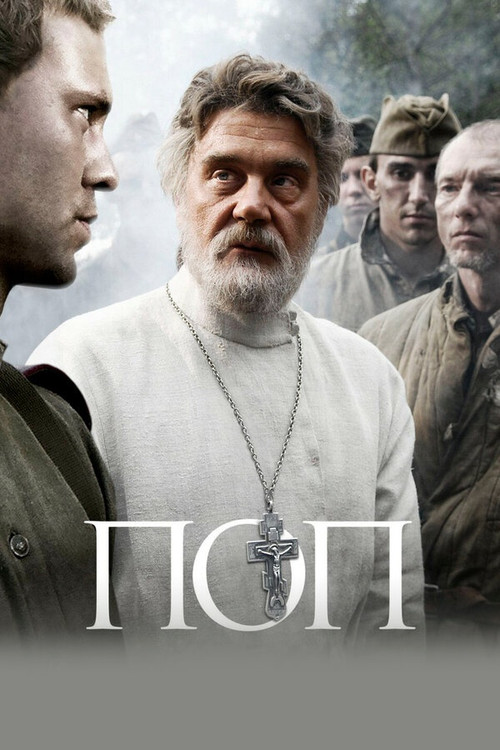
The Priest is a period-specific drama that prioritizes historical realism over contemporary social representation. It focuses on the tension between individual spiritual conviction and the monolithic power of the Soviet state during WWII. The film's low diversity score comes from its adherence to a homogeneous historical setting. It centers on traditional religious and masculine structures, offering little space for modern identity-driven narratives. Ultimately, the work examines the preservation of individual identity against systemic institutional pressure rather than trying to disrupt social hierarchies.
Category Breakdown
The film does not include any LGBTQ+ characters or non-cisgender identities. It stays true to the historical and social norms of its mid-20th-century Soviet setting.
The story follows a traditional masculine framework focused on male religious and state figures. Female characters play supporting roles within the historical context.
The casting and setting are very uniform, reflecting the specific ethnic makeup of the Soviet era. The film serves as a localized historical drama rather than a diverse ensemble.
The story criticizes state-mandated atheism and the suppression of the Orthodox Church. It emphasizes spiritual integrity and traditional values over secular or postmodern moral relativism.
The film does not focus on visible or invisible disabilities. No characters are shown using disability as a primary narrative device.
Present on Screen
Limited or Absent
Official Synopsis
Father Alexander is trying to maintain peaceful life for his church amidst the Nazi occupation during WWII.
2010
1977

2005

1965

2010
2019
2012
2007
No reviews yet. Be the first to share your thoughts on this movie!
Use the rating form above to leave a star rating and optional review.