Escape by Night
1960
No user ratings available yet
Representation score: 6.1 out of 10
Representation Score
Limited
1945
ApprovedDirector
Leopold Lindtberg
Runtime
113 minutes
Average Rating
No ratings yetNew Showbiz Analysis
The Last Chance stands out from many wartime dramas by featuring a multi-national cast rather than a single-nation hero. This approach emphasizes a collective, international struggle against fascism, offering a more inclusive view of the global conflict. However, the film is limited by the social norms of its time. It upholds strict gender hierarchies and lacks any representation of LGBTQ+ identities, focusing almost entirely on male-driven military survival. Overall, while the film does not reflect modern social diversity, its internationalist approach provides a nuanced perspective on the diverse human experience during World War II.
Category Breakdown
The film does not include any LGBTQ+ characters or identities that don't follow traditional gender norms. The story focuses solely on the military and survival themes typical of films from the 1940s.
The story centers around male soldiers and their survival. Women appear in supporting roles that do not challenge traditional gender roles or show significant influence over the plot.
The film showcases a coalition of Allied forces and refugees from various countries. This diverse cast breaks the expectation of a single nation's perspective, highlighting the varied human experiences of World War II.
The narrative highlights international cooperation and resistance against totalitarian regimes. It examines the breakdown of state institutions through the stories of underground resistance fighters and refugees.
The film does not feature any characters with disabilities as central figures in the story. There are no characters with disabilities who play significant roles in the narrative.
Present on Screen
Limited or Absent
Official Synopsis
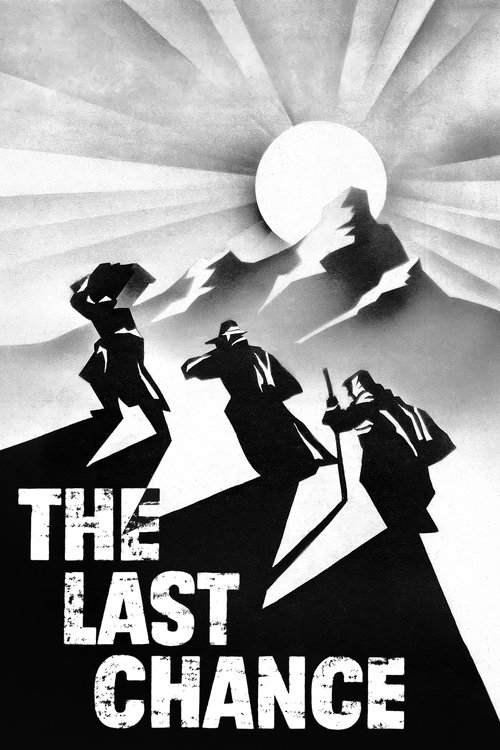
Escaping a Nazi prison train in war-torn Italy, an American and a British soldier set out for the Swiss border and find themselves leading a multi-national party of refugees for the Italian underground.
1960

1945

1963

1960
1955

1941

1946
1946
No reviews yet. Be the first to share your thoughts on this movie!
Use the rating form above to leave a star rating and optional review.