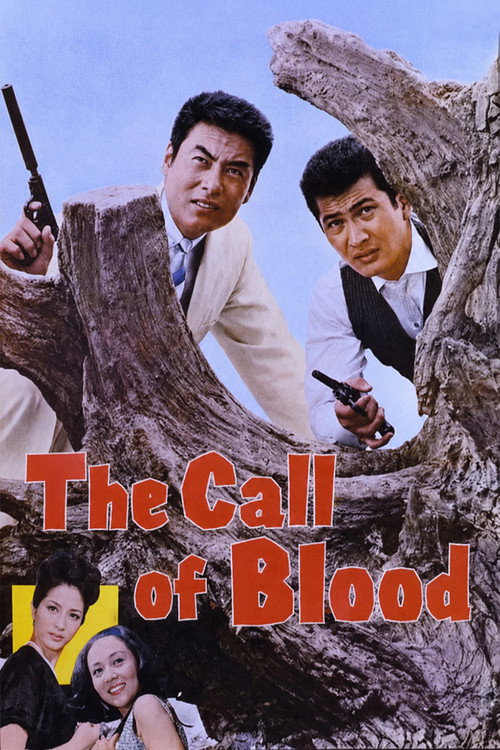
The Call of Blood
1964
No user ratings available yet
Diversity score: 2.6 out of 10
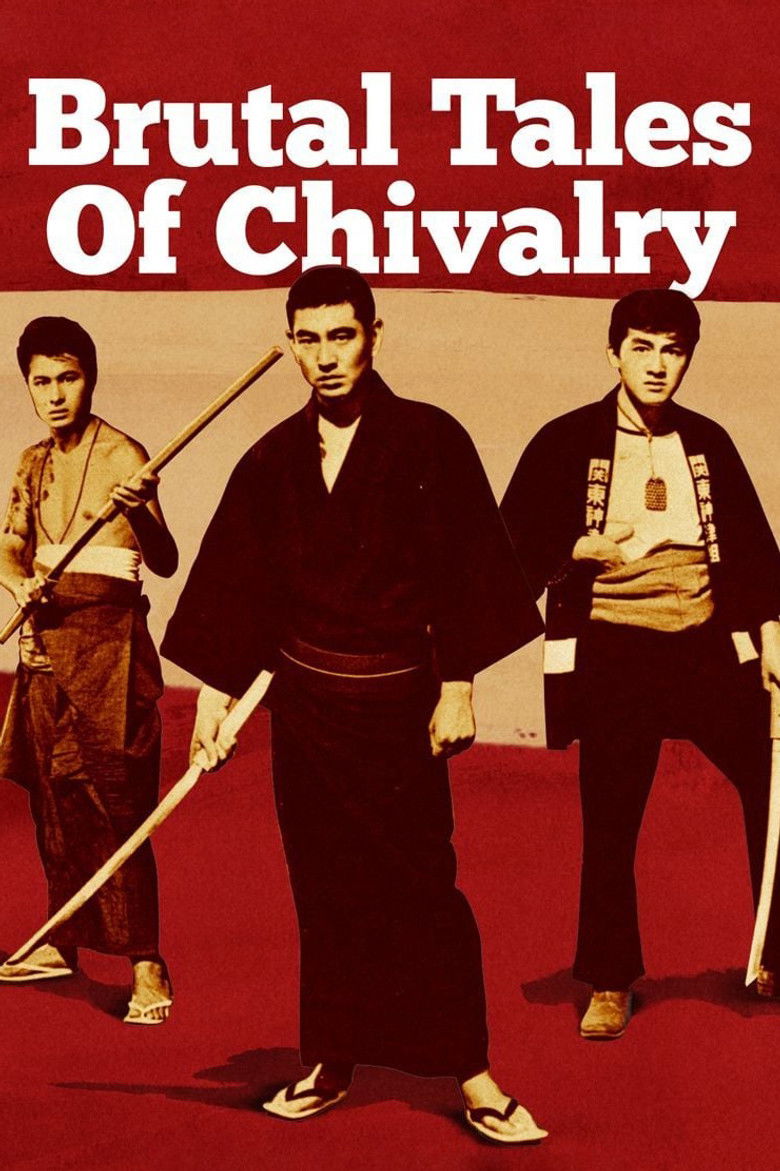
1965
Director
Kiyoshi Saeki
Runtime
90 minutes
Average Rating
No ratings yetSynopsis
After World War II, their town was a pile of rubble. Gennosuke, the second-generation boss of the Kamizu Group was upholding yakuza chivalry by keeping black-market and illegal items out of their open-air market. Taking advantage of the mess, Iwasa and his gang take hold of goods from the US military, black-market and controlled items in order to become the most powerful group in the Enko area. Iwasa has Gennosuke assassinated but before he dies, he names Shinji Terajima as his successor and makes him swear to carry on the family business and not seek revenge or use violence. Shinji tries to make his family’s marketplace a success, but with constant interruption and attacks from Iwasa’s gang, he can no longer keep his word to his former boss.
Overall Score
Limited
Category Breakdown
LGBTQ+ Representation
The film lacks any evidence of non-cisnormative identities or same-sex intimacy. The narrative focuses on traditional masculine hierarchies within organized crime structures.
Gender Representation
Agency is concentrated in male protagonists, specifically the struggle between rival male-led factions. This reinforces patriarchal power dynamics and traditional masculine leadership.
Racial & Ethnic Diversity
The cast is ethnically homogeneous, yet the setting involves complex interactions with the US military. This highlights post-colonial tensions and the influence of an occupying force.
Religious & Cultural Diversity
The story explores the collapse of traditional morality in a post-war landscape. It contrasts idealized yakuza chivalry against the predatory opportunism of new criminal gangs.
Disability Representation
There is no mention of characters with visible or invisible disabilities within the narrative.
Strengths
Areas for Improvement
AI Analysis
Brutal Tales of Chivalry is a genre study centered on the erosion of social hierarchies in post-war Japan. The film prioritizes a masculine-driven conflict between established yakuza codes and opportunistic new factions. While the film lacks modern intersectional representation, it provides a nuanced look at cultural decay. The presence of US military goods introduces a layer of post-colonial tension to the ethnically homogeneous setting. Ultimately, the film functions as a critique of fractured institutions, though it remains rooted in traditional gender roles and social structures.
1964
1999
1973
1963
1972

1956

2012
1979
1970
1960

1971
1996
No reviews yet. Be the first to share your thoughts on this movie!
Use the rating form above to leave a star rating and optional review.