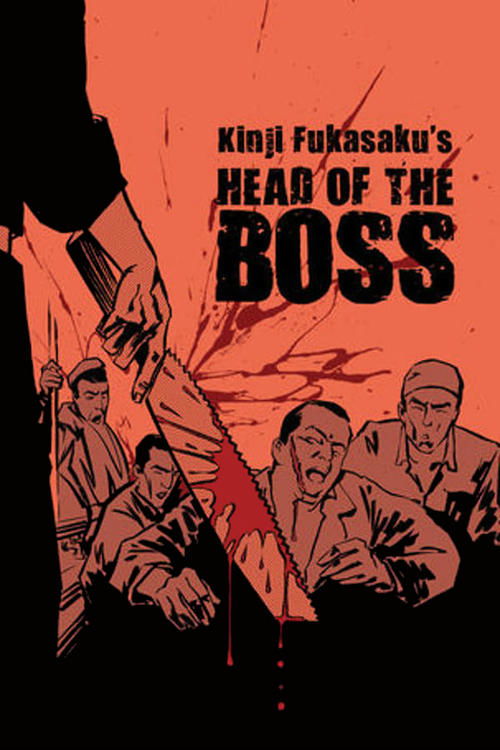
New Battles Without Honor and Humanity 2: Head of the Boss
1975
No user ratings available yet
Representation score: 1.4 out of 10
Representation Score
Fair
1976
Not RatedDirector
Kinji Fukasaku
Runtime
97 minutes
Average Rating
No ratings yetNew Showbiz Analysis
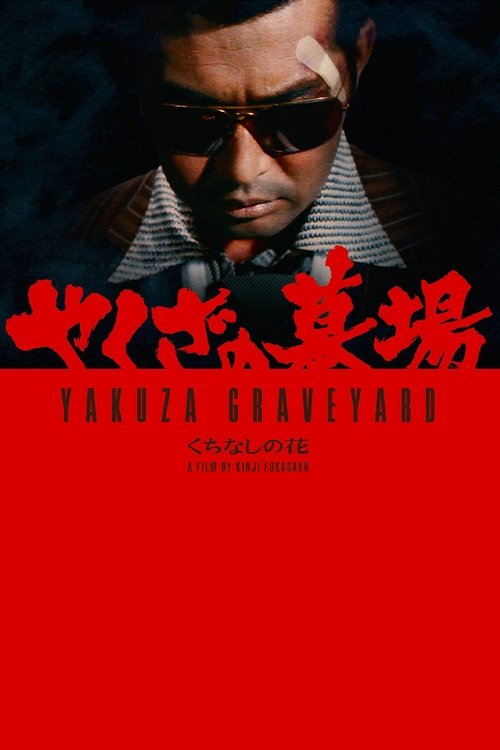
Yakuza Graveyard is a culturally rich deconstruction of authority that prioritizes skepticism over traditional heroism. It succeeds by offering an authentic Japanese perspective that resists Western narrative norms, providing a sharp critique of institutional corruption. However, the film lacks demographic breadth. The narrative is heavily centered on male-dominated power struggles, and the cast remains ethnically homogeneous. This focus on traditional crime drama frameworks limits its diverse representation. Ultimately, the film's strength lies in its moral relativism. While it lacks diversity in orientation and disability, its subversion of state legitimacy offers a powerful, culturally specific exploration of social structures.
Category Breakdown
The film follows traditional gender and orientation frameworks typical of 1970s crime cinema. There are no LGBTQ+ characters or non-straight narratives.
The story focuses on male-dominated syndicates and police hierarchies. While it adheres to period gender roles, it challenges the idea of stable patriarchal structures by showing them as corrupt.
The cast is ethnically homogeneous, reflecting a domestic Japanese production. It provides an authentic, localized perspective that avoids a Western-centric lens.
The narrative aggressively challenges the sanctity of law and order. By depicting state complicity in criminal negotiations, it promotes a sophisticated, anti-establishment critique of institutional authority.
There is no documented evidence regarding the inclusion of characters with visible or invisible disabilities.
Present on Screen
Limited or Absent
Official Synopsis
A police investigator cracks down on yakuza business, but once he realizes the police are in negotiations with certain factions, he sides with his own syndicate of choice.
1975
1973
1969
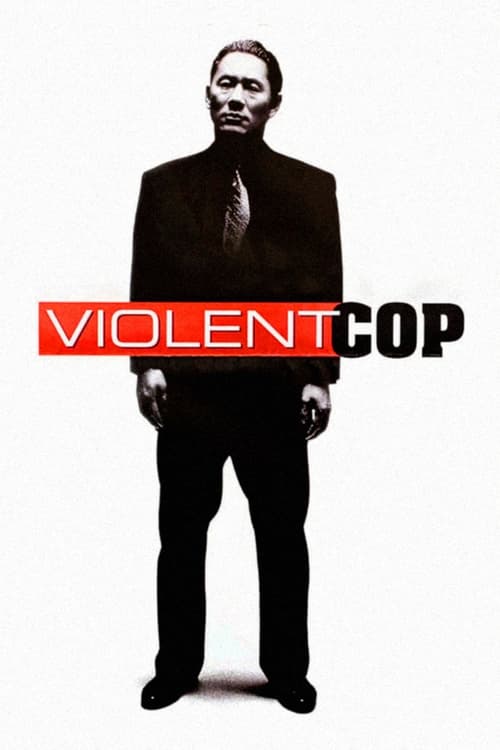
1989
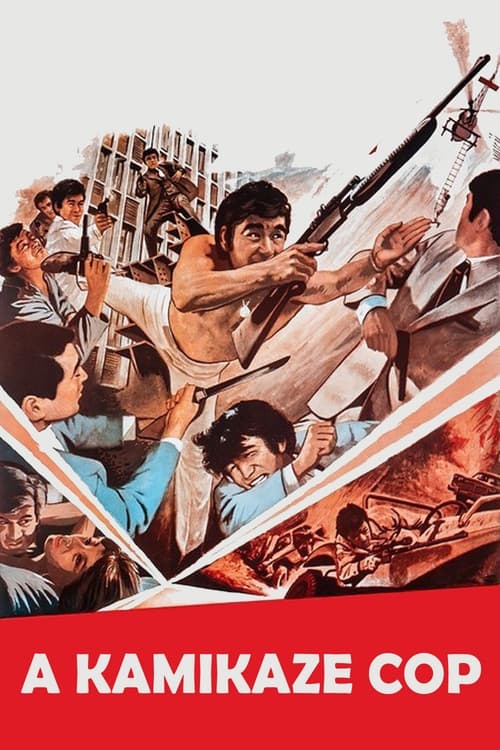
1970
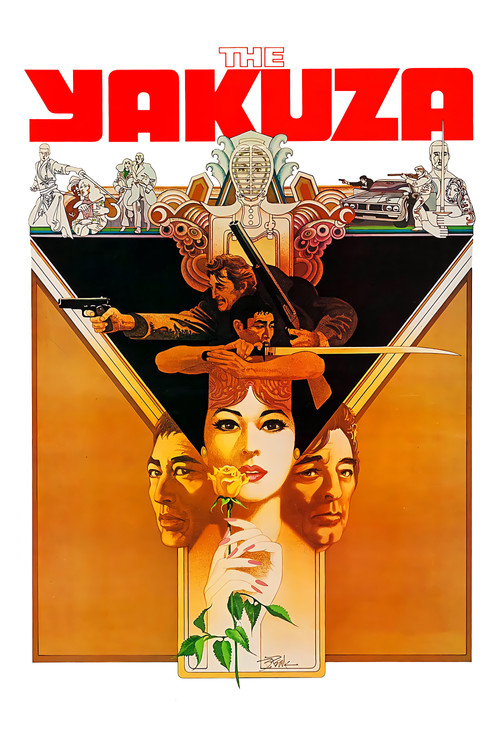
1974

1967
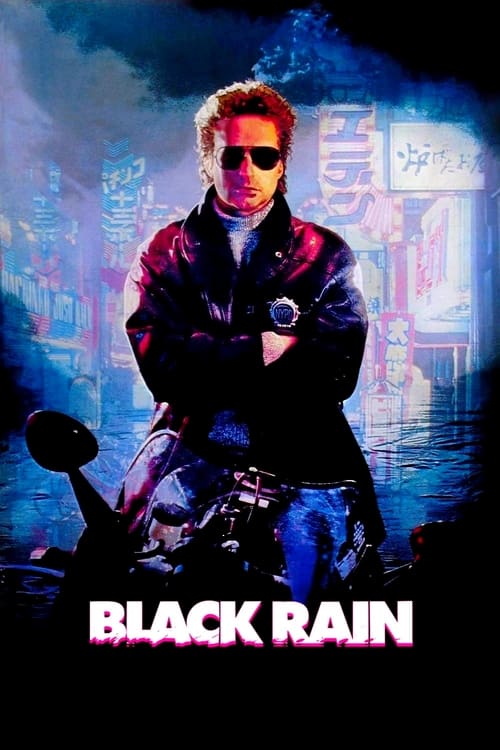
1989
No reviews yet. Be the first to share your thoughts on this movie!
Use the rating form above to leave a star rating and optional review.