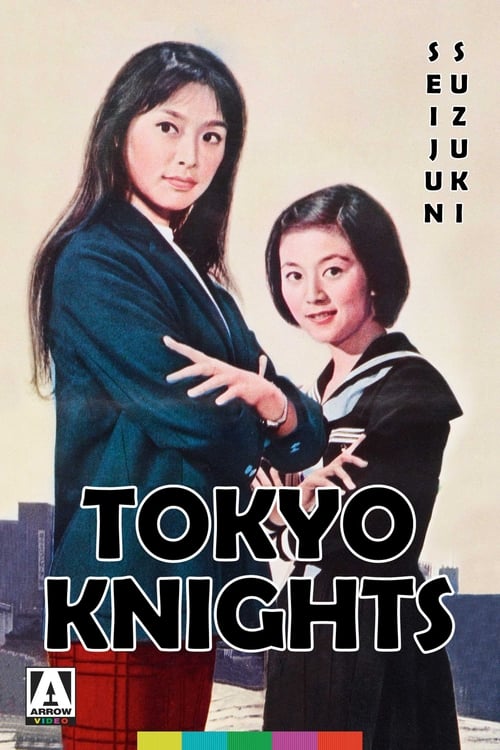
Tokyo Knights
1961
No user ratings available yet
Representation score: 3.3 out of 10
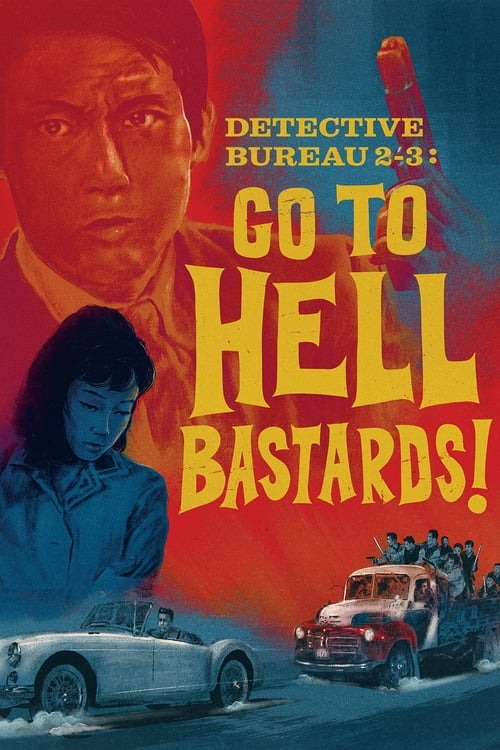
Representation Score
Fair
1963
Not RatedDirector
Seijun Suzuki
Runtime
89 minutes
Average Rating
No ratings yetNew Showbiz Analysis
Seijun Suzuki's direction offers a stylistic rebellion against the strictures of the Nikkatsu studio system. The film challenges traditional genre conventions through its unique visual style, serving as a bridge between old and new cinematic approaches. Despite lacking contemporary markers of diversity, the film effectively critiques institutional rigidity. It emphasizes individual initiative over rigid moral codes, reflecting the socio-political dynamics of 1960s Japan. The portrayal remains largely conventional regarding gender and sexuality, yet the geopolitical complexities and institutional critiques provide a richer perspective compared to typical action films.
Category Breakdown
The film follows the conventions of 1960s yakuza crime dramas. It doesn't show queer identities or non-binary relationships, focusing instead on male rivalry.
Men play key roles in the story, while women have minor parts, such as a gang leader's partner, in a dangerous environment.
The film sets its story in a specific Japanese context, incorporating American military involvement and reflecting the complex political situation after World War II.
It critiques state institutions by showing a private detective who outperforms the police, using a 'borderless action' style to break down traditional social structures.
There are no characters with visible or invisible disabilities playing central roles or having significant influence.
Present on Screen
Limited or Absent
Official Synopsis
Tajima is a private detective in charge of his own company, Detective Bureau 2-3. When warring criminal gangs go overboard by robbing U.S. military munitions, Tajima steps in to stop what the cops can't.
1961

1967

1963
1966

1961

1966

1973

1962
No reviews yet. Be the first to share your thoughts on this movie!
Use the rating form above to leave a star rating and optional review.