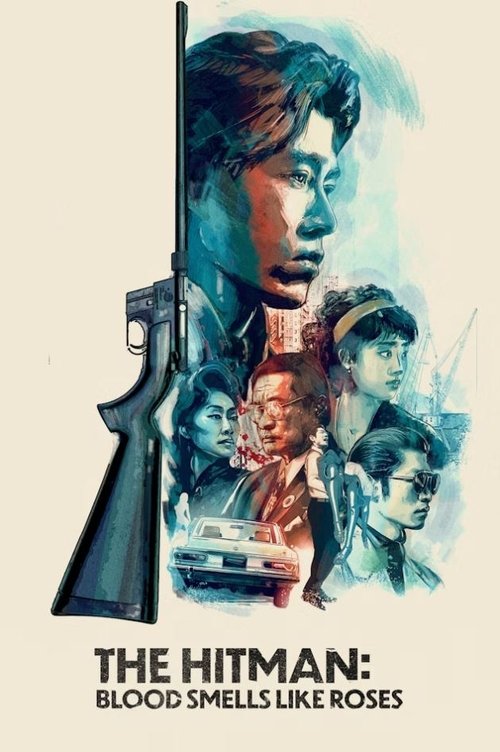
The Hitman: Blood Smells Like Roses
1991
No user ratings available yet
Representation score: 1.9 out of 10
Representation Score
Minimal
1964
Director
Seijun Suzuki
Runtime
97 minutes
Average Rating
No ratings yetNew Showbiz Analysis
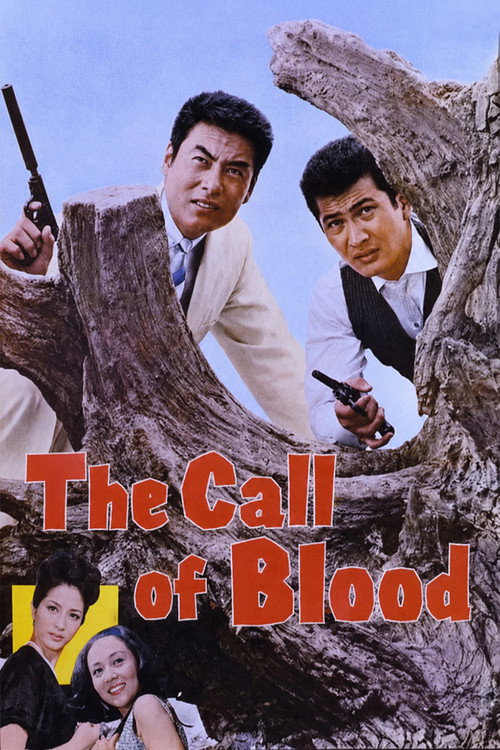
The Call of Blood is a traditional crime narrative centered on family revenge. It operates within the social and gender norms of its time, prioritizing a revenge plot over diverse character representation. While Seijun Suzuki is known for avant-garde stylistic rebellion, the narrative itself aligns with mid-20th-century genre clichés. The focus remains on individual ability to act against organized crime rather than exploring diverse identities. Ultimately, the film functions as a genre-specific study of vengeance. It lacks the breadth of representation needed to move beyond the standard male clichés of the yakuza genre.
Category Breakdown
The film does not include any characters with LGBTQ+ identities. It focuses on the relationship between two brothers.
The story centers on male characters driven by patriarchal traditions and revenge. It follows the gender norms of 1960s action movies without challenging traditional gender roles.
As a 1964 Japanese production, the cast is ethnically uniform. It does not use a multi-ethnic or color-blind casting approach by today's standards.
The film explores personal morality through a revenge narrative. By pitting individuals against the yakuza, it disrupts ideas of institutional stability and social order.
There is no information available regarding the depiction of physical or neurodivergent disabilities in this work.
Present on Screen
Limited or Absent
Official Synopsis
Two brothers seek revenge on the yakuza responsible for the death of their father.
1991
1973
1964
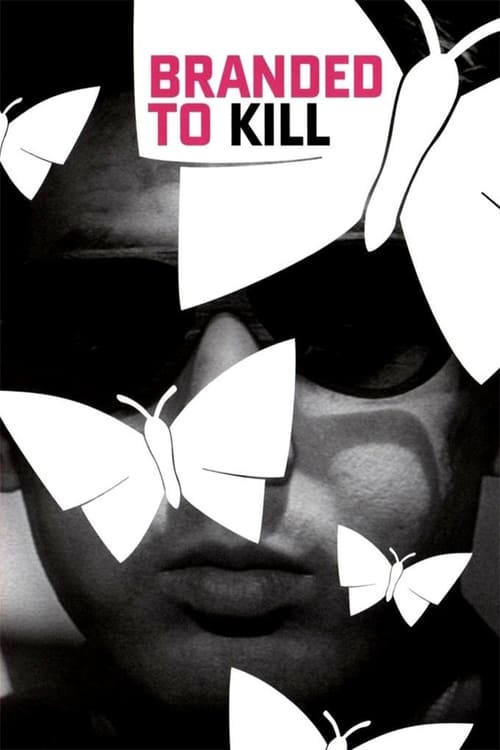
1967
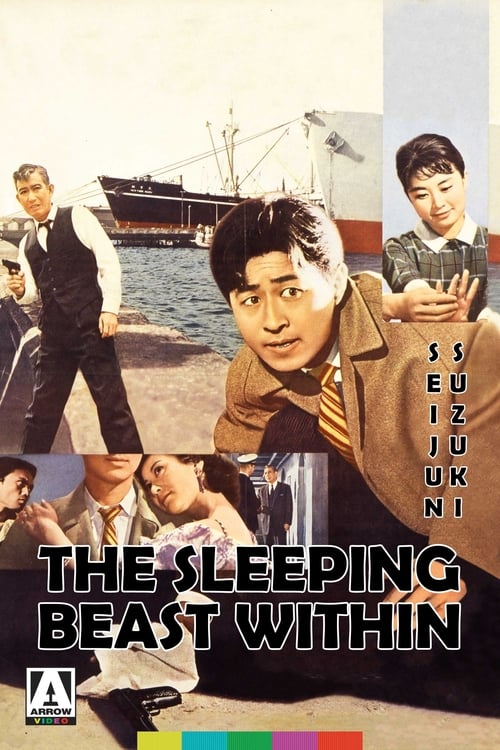
1960
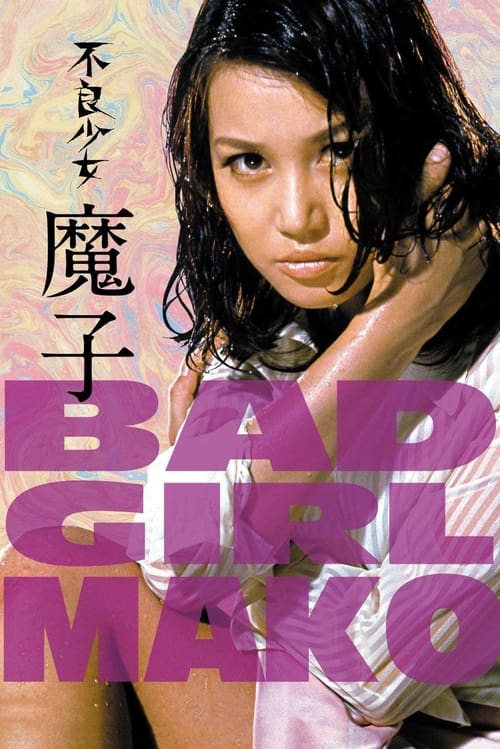
1971
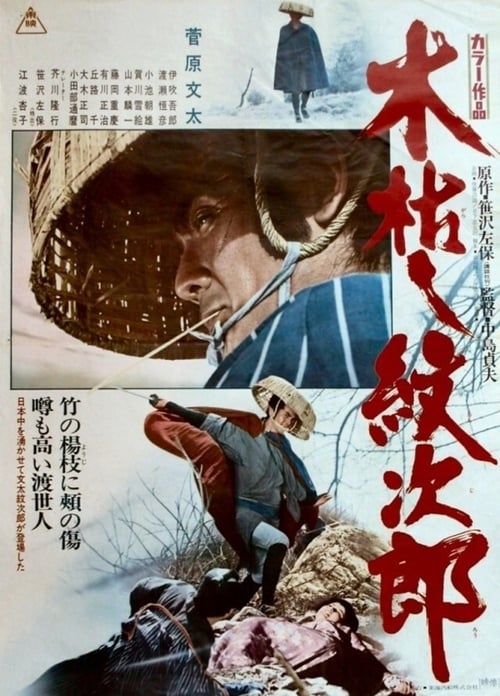
1972
1979
No reviews yet. Be the first to share your thoughts on this movie!
Use the rating form above to leave a star rating and optional review.