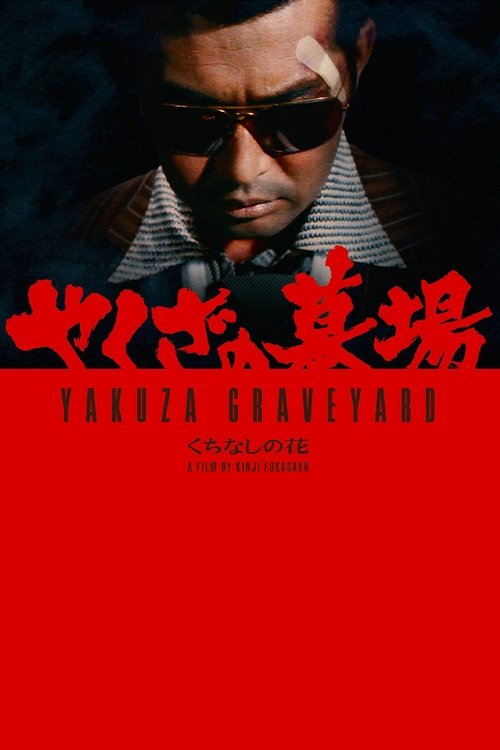
Yakuza Graveyard
1976
No user ratings available yet
Representation score: 4.9 out of 10
Representation Score
Minimal
1975
Not RatedDirector
Kinji Fukasaku
Runtime
94 minutes
Average Rating
No ratings yetNew Showbiz Analysis
Kinji Fukasaku’s work provides a gritty, systemic realism that challenges traditional crime genre clichés. While the film lacks demographic diversity, it offers significant progressive value through its narrative deconstruction of honor and heroism. The story replaces romanticized myths with a cynical exploration of power and moral relativism. It portrays the yakuza underworld as a chaotic, Darwinian environment shaped by post-war institutional collapse. Ultimately, the film's strength lies in its rejection of traditional archetypes, favoring a postmodern look at how corruption and betrayal drive social order.
Category Breakdown
The film focuses exclusively on hyper-masculine yakuza hierarchies and does not include any non-straight or non-cisgender identities or same-sex relationships. It adheres to a strictly heterosexual framework.
The narrative is dominated by a rigid patriarchal structure where women are sidelined, often appearing only as victims or domestic figures within a male-dominated power struggle.
The cast and setting are ethnically uniform, reflecting the post-war Japanese context. The film does not feature diverse ethnic backgrounds or use color-blind casting.
The film stands out by breaking down the chivalrous ninkyo code. It portrays criminal organizations as opportunistic actors within a corrupt, unstable system rather than as honorable warriors.
There are no visible depictions of physical or neurodivergent disabilities. Characters are defined solely by their capacity for violence and survival.
Present on Screen
Limited or Absent
Official Synopsis
The seventh in the shocking "Jingi Naki Tatakai" movie series, which exposes the true lives of the yakuza that is hidden by a mask of "jingi". The next stage of this continuing drama is the Kanmon Channel where the Owada and the Kyoei groups are battling for territorial rights and drug smuggling. The Owada sends their man, Tetsu, and his friend Shuji to kill the Kyoei boss. With the promise of fame and riches, Shuji takes the fall and goes to jail for 7 years. But when he's released, he discovers that he and Tetsu have been all but forgotten by the Owada. Feeling betrayed, Shuji takes matters into his own hands and becomes an unsuspecting pawn in an internal conflict and an assassination attempt on the Owada boss. And now angered, Shuji seeks revenge...
1976
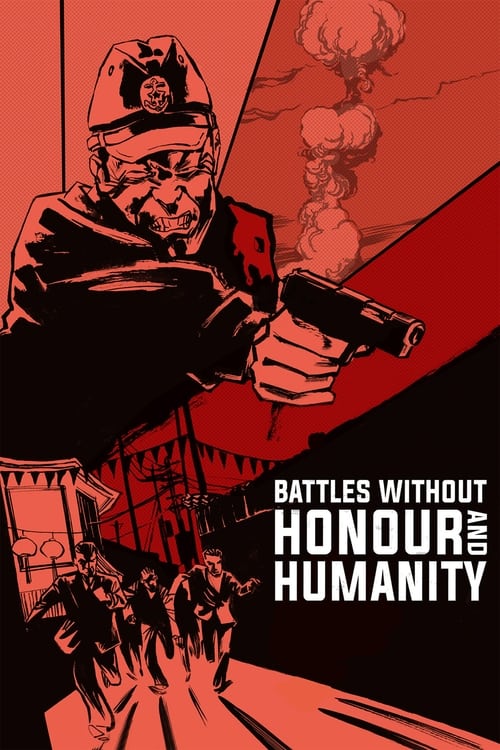
1973
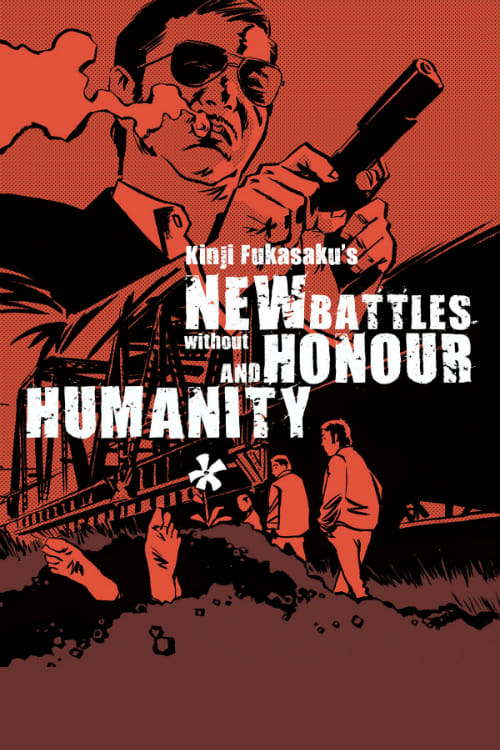
1974
1973
1973
1982
1973
1958
No reviews yet. Be the first to share your thoughts on this movie!
Use the rating form above to leave a star rating and optional review.