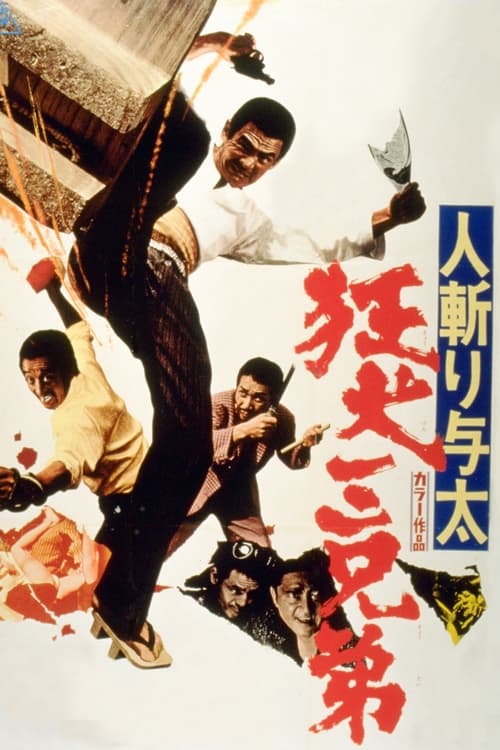
Outlaw Killers: Three Mad Dog Brothers
1972
No user ratings available yet
Representation score: 2.7 out of 10

Representation Score
Fair
1976
Director
Kinji Fukasaku
Runtime
85 minutes
Average Rating
No ratings yetNew Showbiz Analysis
Kinji Fukasaku’s direction offers a critical look at systemic corruption and the conflict between individuals and the state. The film functions more as a critique of institutional power than a study in demographic inclusivity. While the narrative challenges traditional social hierarchies and explores moral relativism, it remains limited by a lack of diverse representation. The focus stays largely on domestic criminal elements and traditional masculine conflicts. Ultimately, the film's strength lies in its cultural commentary on the failure of authority, even as it misses opportunities for broader social representation.
Category Breakdown
The film does not include any explicit references to LGBTQ+ identities or non-straight relationships. It focuses on traditional romantic relationships and family ties.
A female character serves as a major obstacle to the protagonist's freedom, creating tension between traditional domestic roles and an anti-establishment lifestyle.
The setting is ethnically homogeneous within the Kanto region. However, the protagonist's desire to escape to Brazil highlights a focus on the geopolitical periphery.
The film excels in cultural subversion by critiquing state authority and institutional stability. It centers on anti-capitalist themes and rejects traditional legal order.
There is no mention of characters dealing with physical or neurodivergent disabilities within the narrative.
Present on Screen
Limited or Absent
Official Synopsis
Takashi, a bank robber, dreams of his final heist and escaping to Brazil... but in his way, stands a woman that loves him, his dead partner's brother, a corrupt cop, a motorcycle gang and every police officer in the Kanto region.
1972
1974
1992
1979
1973
1972
1976
1974
No reviews yet. Be the first to share your thoughts on this movie!
Use the rating form above to leave a star rating and optional review.