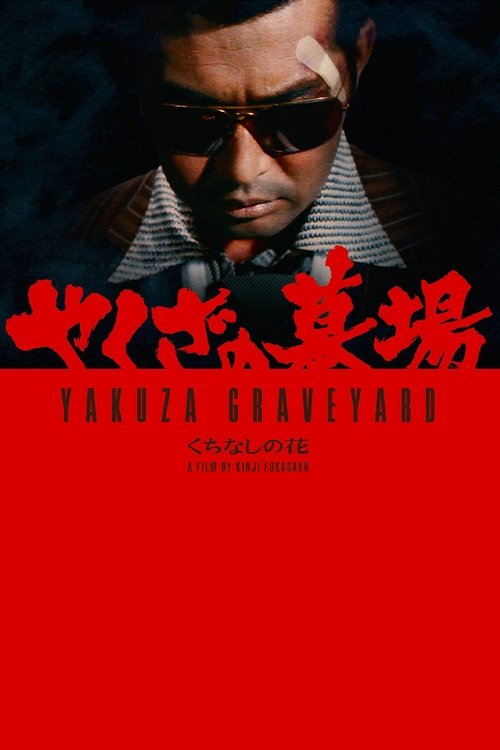
Yakuza Graveyard
1976
No user ratings available yet
Representation score: 4.9 out of 10
Representation Score
Fair
1970
Director
Kinji Fukasaku
Runtime
88 minutes
Average Rating
No ratings yetNew Showbiz Analysis
Kinji Fukasaku’s work excels at deconstructing social hierarchies and the human cost of industrial progress. The film uses the yakuza setting to explore the tension between personal loyalty and systemic corruption. However, the film is heavily focused on a traditional masculine framework. The emphasis on organized crime syndicates limits the range of gendered and sexual diversity shown on screen. Ultimately, the film's strength lies in its sociological depth, replacing romanticized crime clichés with a gritty examination of how economic shifts affect the working class.
Category Breakdown
The film does not explicitly depict LGBTQ+ identities or relationships that go beyond the assumption that everyone is straight. The story focuses on masculine crime structures and postwar economic pressures.
The story is driven by a male-dominated hierarchy centered around the boss and his syndicate. While the film examines changes in society, the main roles are still dominated by male characters.
The film explores social stratification in Japan through the contrast between the lives of those in shantytowns and industrial interests. This highlights the internal social hierarchies based on class.
The narrative sharply criticizes the expansion of capitalism and 'Japan Inc.' It portrays industrial modernization as a force that displaces the underrepresented community.
There is no information about the inclusion or portrayal of characters with physical or neurodivergent disabilities in the film.
Present on Screen
Limited or Absent
Official Synopsis
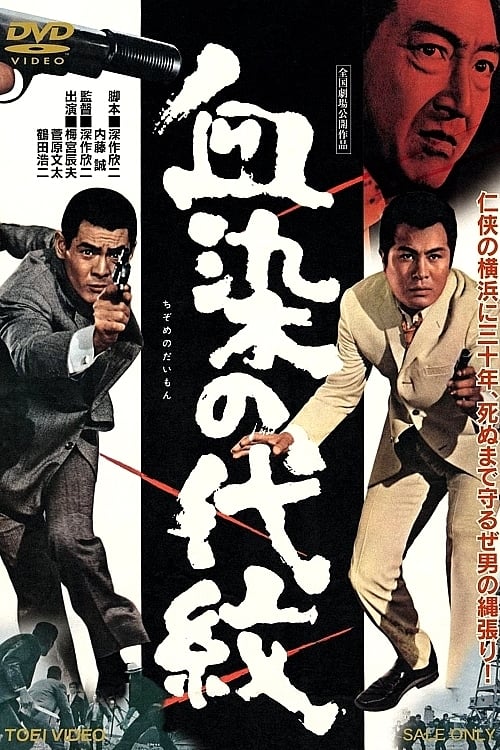
The story takes place in the sunset days of the yakuza in 1965. The postwar turmoil that created the black market and lubricated illegal business opportunities was giving way to Japan Inc. A young Bunta Sugawara takes over as the oyabun of a crime syndicate in Yokohama, where he is struggling to keep operations at the port there alive. As his syndicate is eroding quickly, a major heavy industries company offers his gang the chance to chase some vagrants out of a shantytown where they are squatting on land where a factory is to be built. The job would secure steady profits for Bunta's crime ring for years to come. However, Bunta and other members of his outfit grew up in the shanty, and they would be muscling their friends and neighbors. This sets the stage for an internal struggle that complicates the violent struggle with a rival mafia organization in Tokyo.
1976
1973
1975
1974
1971
1989
1975
1976
No reviews yet. Be the first to share your thoughts on this movie!
Use the rating form above to leave a star rating and optional review.