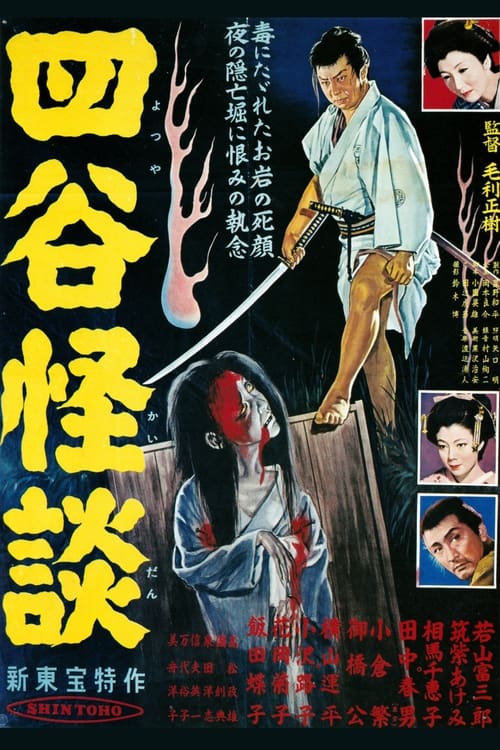
The Ghosts of Yotsuya
1956
No user ratings available yet
Diversity score: 5.4 out of 10
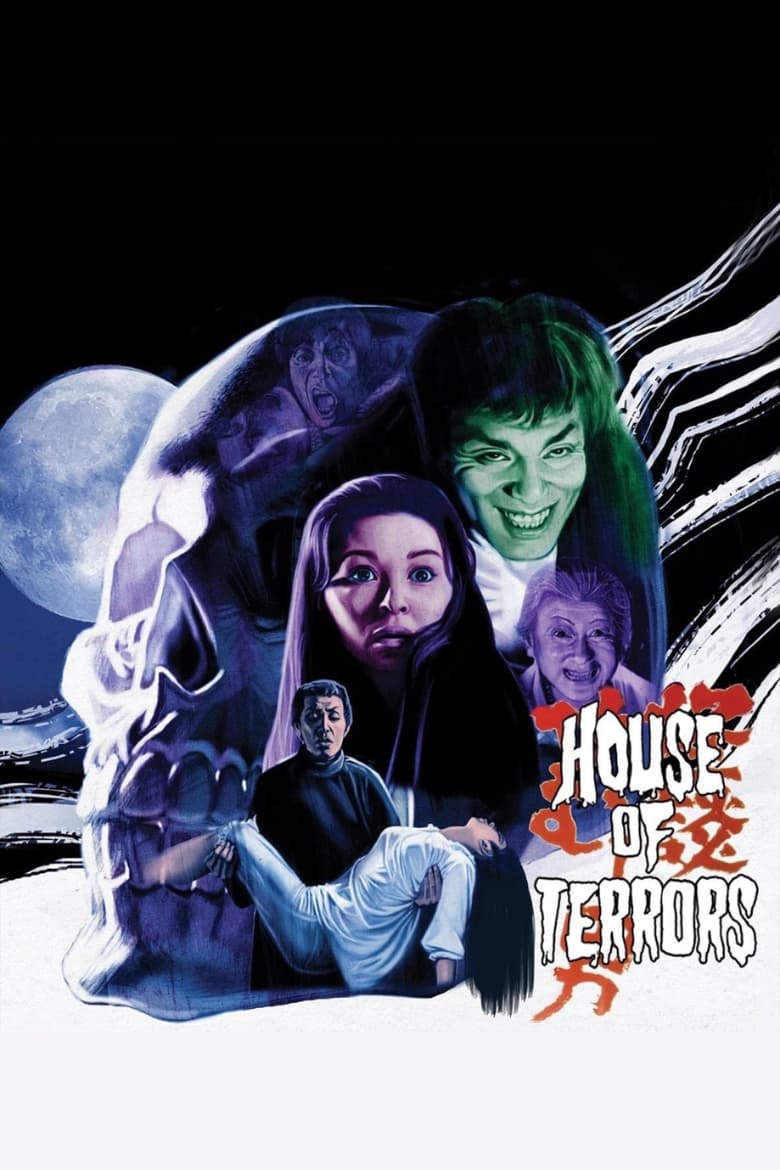
1965
Director
Hajime Sato
Runtime
81 minutes
Average Rating
No ratings yetSynopsis
A hunchbacked caretaker presides over a forlorn mansion inhabited by the ghosts of his previous masters. An unbelieving trio (a doctor, his assistant and his niece) fail to heed the caretaker's warnings and are slaughtered horribly by the jealous occupants.
Overall Score
Limited
Category Breakdown
LGBTQ+ Representation
The film lacks any visible representation of non-cisnormative identities or same-sex intimacy. Character dynamics remain strictly within traditional familial and professional frameworks.
Gender Representation
Male characters occupy the primary roles of intellectual and scientific authority. While the niece is a central figure, she functions largely as a subject of the horror rather than an active agent.
Racial & Ethnic Diversity
The cast is culturally homogeneous, reflecting its 1965 Japanese production roots. However, it provides a non-Western perspective that diverges from the Anglo-centric horror tropes of the era.
Religious & Cultural Diversity
The story explores the tension between modern secularism and traditional spiritualism. It challenges the idea of scientific progress by framing rationalists as victims of a persistent, supernatural past.
Disability Representation
A hunchbacked caretaker is a central figure, though his physical difference appears to serve as gothic shorthand for the uncanny. It is unclear if he possesses true agency.
Strengths
Areas for Improvement
AI Analysis
House of Terrors operates as a traditional mid-century Japanese gothic piece. It succeeds in offering a non-Western lens on the horror genre, providing a cultural departure from Western cinematic norms of the 1960s. However, the film relies heavily on established tropes. It reinforces gendered hierarchies by centering male intellectual authority and utilizes physical disability as a tool for atmospheric dread rather than character depth. Ultimately, the narrative prioritizes genre conventions over the deconstruction of social hierarchies or the promotion of intersectional agency.
1956
1957
1959
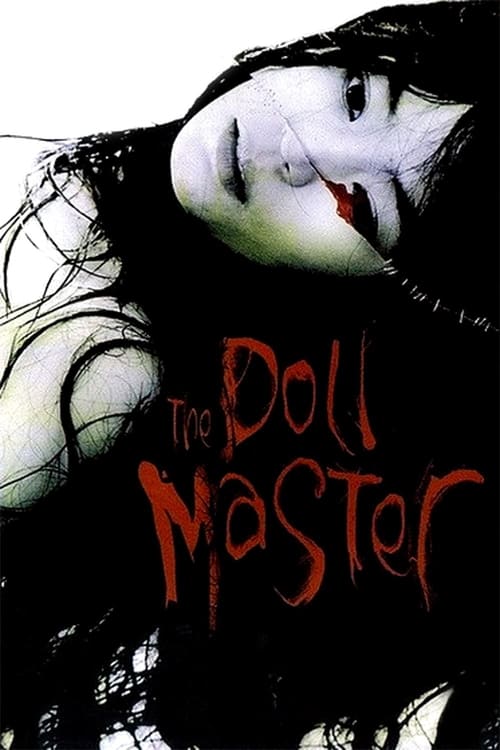
2004
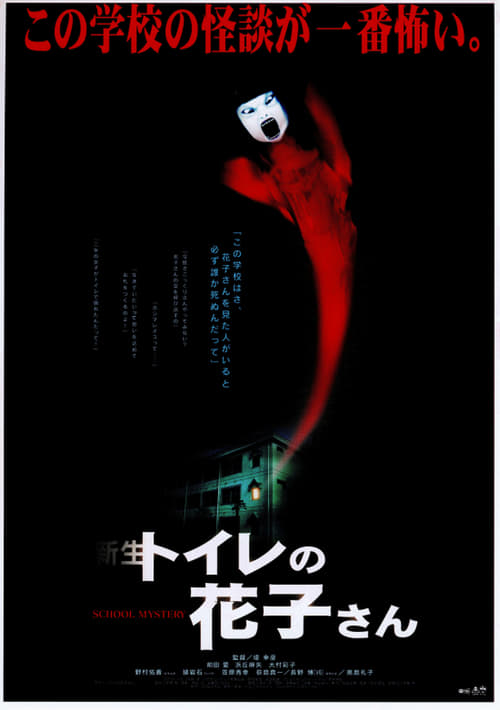
1998
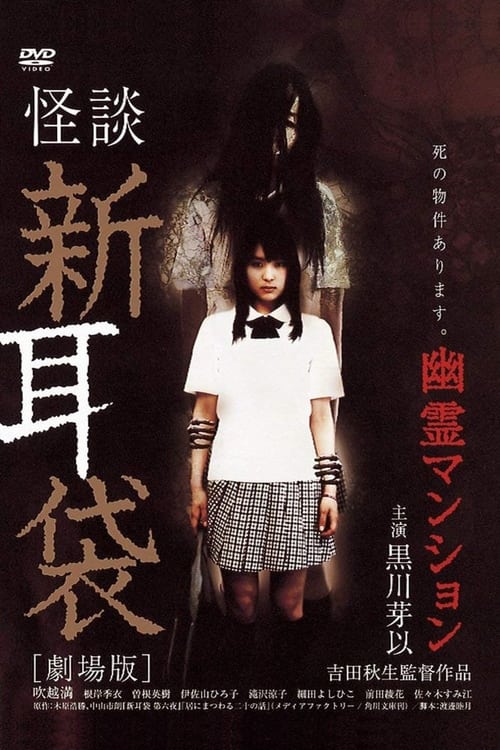
2005

2015
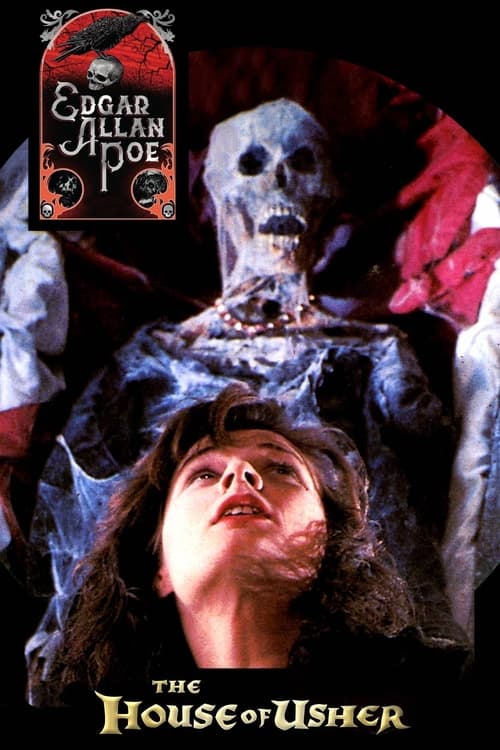
1989
1949
2001
1989
2007
No reviews yet. Be the first to share your thoughts on this movie!
Use the rating form above to leave a star rating and optional review.