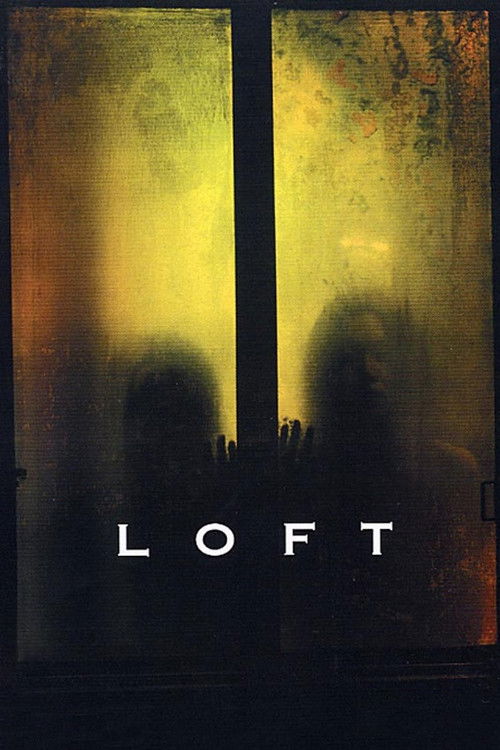
Loft
2006
No user ratings available yet
Representation score: 4.6 out of 10
Representation Score
Fair
1989
Not RatedDirector
Kiyoshi Kurosawa
Runtime
103 minutes
Average Rating
No ratings yetNew Showbiz Analysis
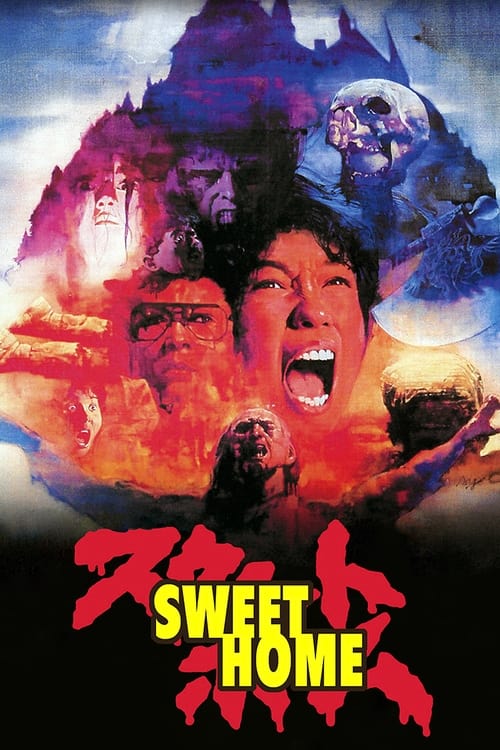
Kiyoshi Kurosawa’s Sweet Home is a masterclass in psychological dread that prioritizes existential alienation over social identity. The film succeeds in deconstructing the myth of domestic stability, using a decaying urban landscape to mirror the disintegration of the human psyche. However, the film remains traditional in its demographic composition. It lacks diverse representation, focusing instead on a homogeneous cast and a narrative centered on predatory obsession and psychological breakdown.
Category Breakdown
The film does not include explicit representations of LGBTQ+ identities or queer narratives. Tension arises from a distorted relationship between male and female characters without any queer undertones.
Female characters frequently serve as objects of fixation rather than independent agents. The film challenges traditional gender roles by depicting the breakdown of domestic stability rather than empowering women.
The production features a cast that reflects a culturally homogeneous Japanese urban context. It does not actively seek to diversify the ethnic makeup of its setting.
The narrative critiques the sanctity of the home and modern domesticity. It portrays postmodern urban alienation by framing the domestic sphere as a site of decay.
Mental health crises are explored through the lens of horror and madness. The protagonist's psychological instability serves primarily as a plot driver for terror.
Present on Screen
Limited or Absent
Official Synopsis
Working on a documentary about infamous painter Mamiya Ichiro, a TV crew filming at his old home come under attack from the ghost of the painter's wife.
2006

2000

2014

2005

1982

1973

1999

2016
No reviews yet. Be the first to share your thoughts on this movie!
Use the rating form above to leave a star rating and optional review.