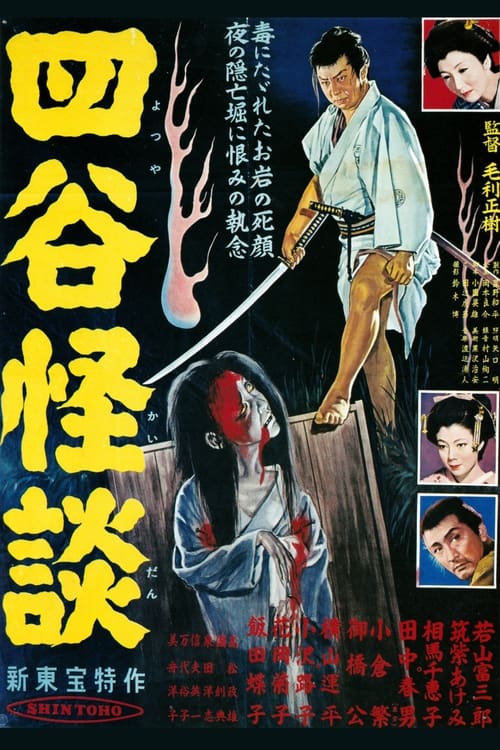
Ghost Story of Yotsuya
1959
No user ratings available yet
Representation score: 5.5 out of 10
Representation Score
Fair
1956
Director
Masaki Mōri
Runtime
86 minutes
Average Rating
No ratings yetNew Showbiz Analysis
Masaki Mōri’s adaptation of the kabuki classic transforms Oiwa from a passive victim into an active agent of supernatural retribution. This shift challenges traditional social roles and patriarchal power dynamics. The film remains culturally specific to its Edo-period setting, maintaining historical authenticity through an ethnically homogeneous cast. It focuses on the corruption of individual morality and the failure of social institutions to provide justice. While the film provides a sophisticated critique of greed, it relies heavily on physical trauma and disfigurement as a primary plot mechanism for horror. This approach centers disability as a catalyst for supernatural vengeance rather than exploring broader representation.
Category Breakdown
The film adheres to a traditional framework that assumes everyone is straight or cisgender. It does not include any non-binary gender identities or same-sex romantic relationships.
Oiwa challenges conventional hierarchies by taking a leading role through her post-mortem actions. Initially a victim of patriarchal greed, she transforms into a vengeful spirit, shifting the power dynamic.
The cast is ethnically uniform, reflecting the Edo-period setting. The film maintains historical authenticity without using actors from diverse backgrounds.
The narrative emphasizes folk spirituality and the supernatural over organized religion. It criticizes the pursuit of material wealth and the corruption of personal loyalty.
Physical disfigurement serves as a central driver of the plot. However, the depiction primarily uses bodily alteration as a narrative device for horror.
Present on Screen
Limited or Absent
Official Synopsis
Oiwa has been searching for the one who killed her father for a long time. She comes to Yedo and sees a man named Naosuke. The film is based on the kabuki classic: Toukaidou Yotsuya Kaidan (1826) written by Tsuruya Nanboku and is one of the most famous ghost stories throughout Japan.
1959
1968
1959
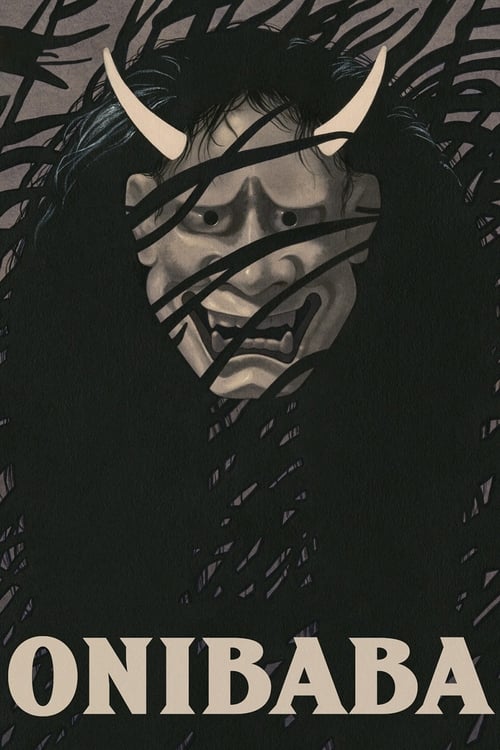
1964
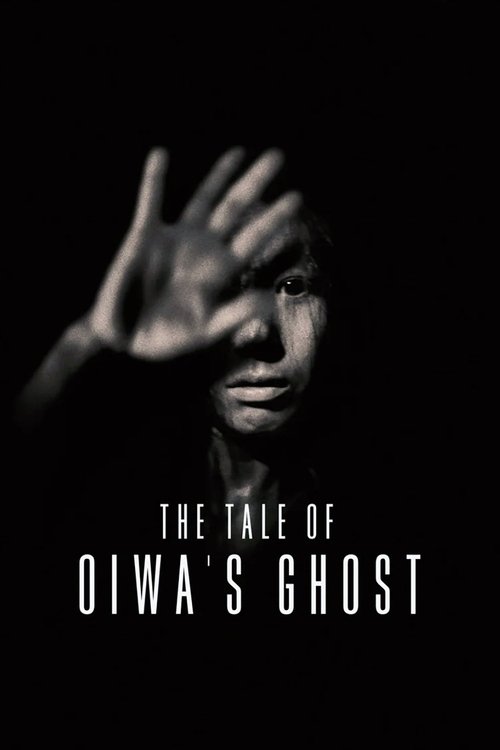
1961
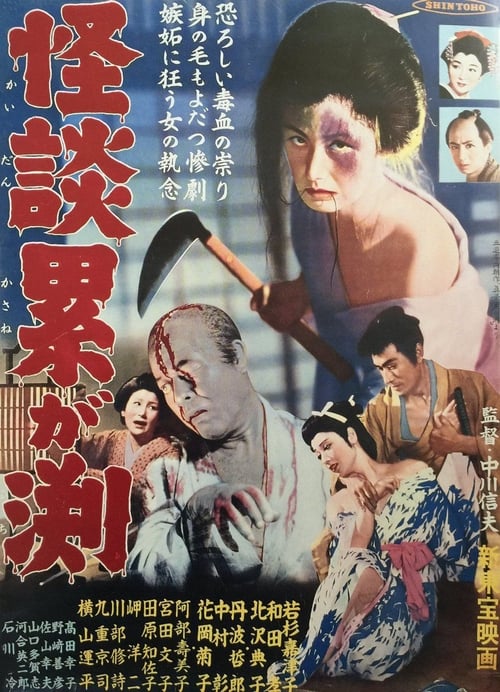
1957
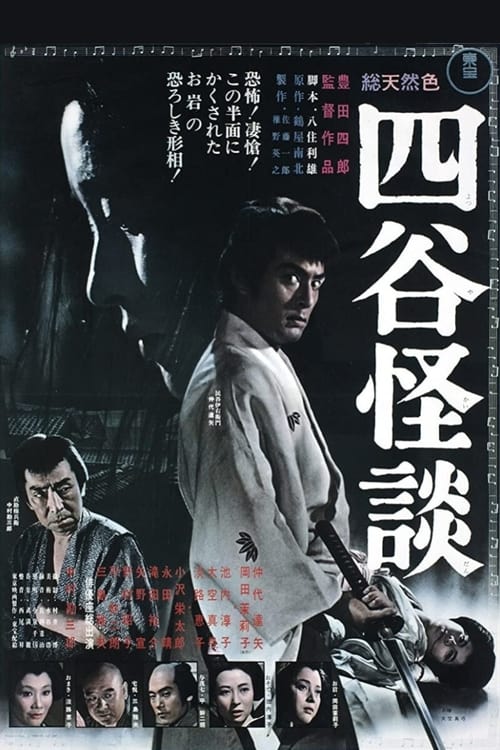
1965
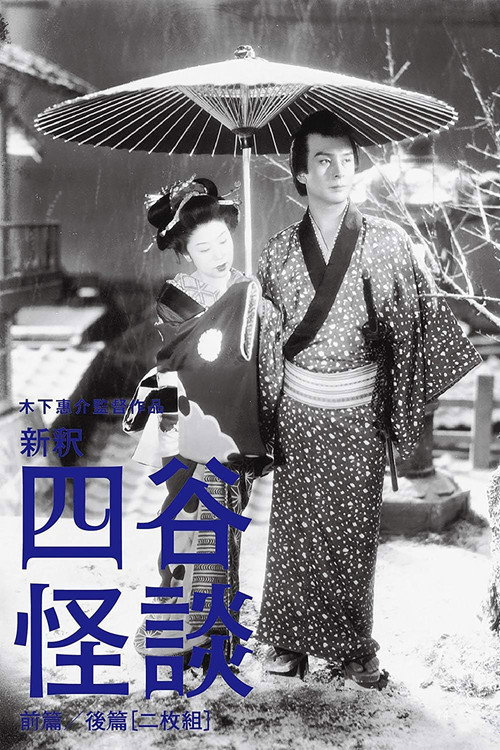
1949
No reviews yet. Be the first to share your thoughts on this movie!
Use the rating form above to leave a star rating and optional review.