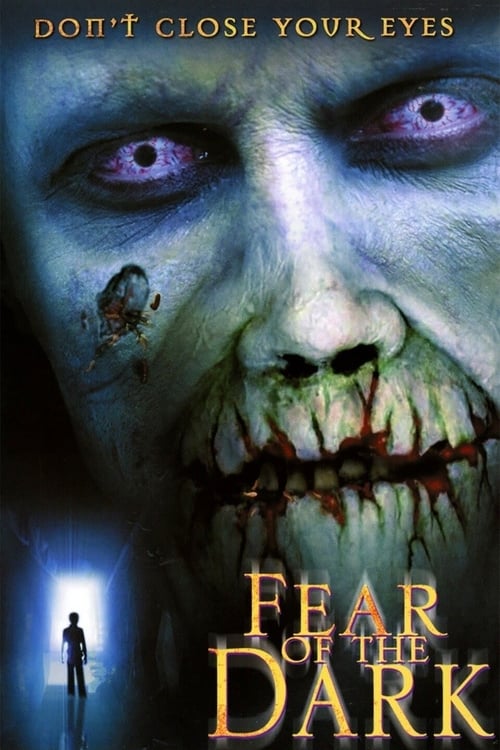
Fear of the Dark
2003
No user ratings available yet
Diversity score: 3.5 out of 10
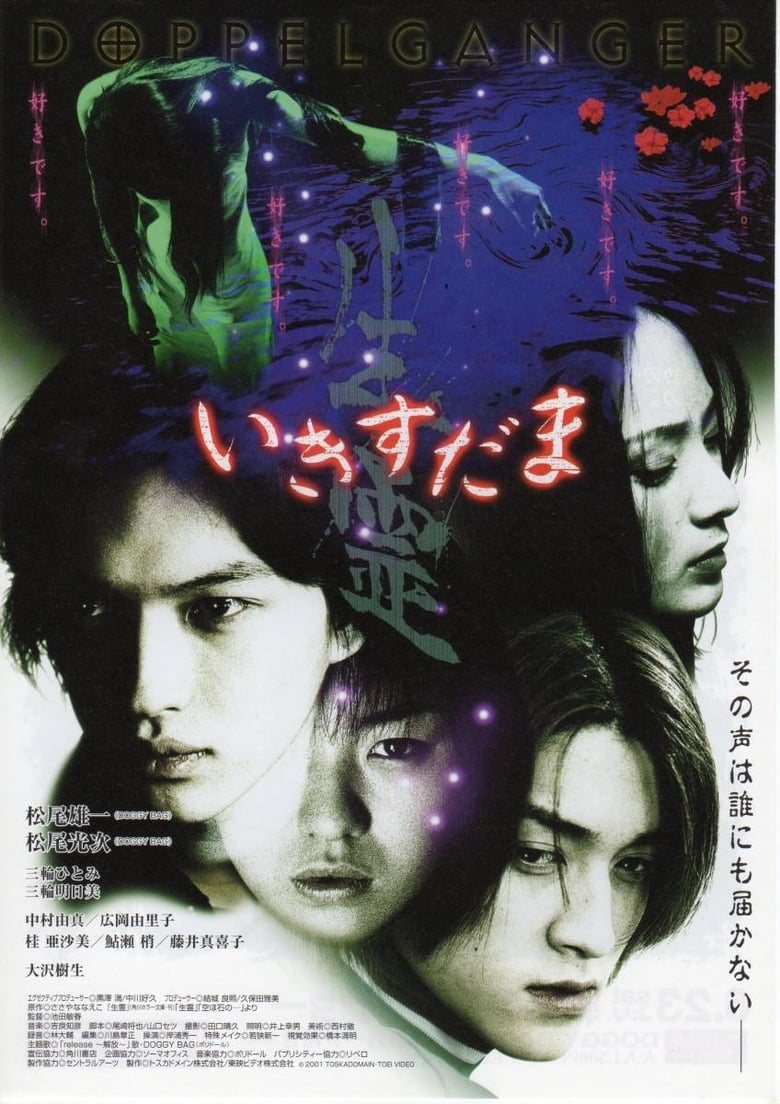
2001
Director
Toshiharu Ikeda
Runtime
117 minutes
Average Rating
No ratings yetSynopsis
Two brothers are plunged into the realm of psychic horror, one tormented by a stalker, and the other involved with a girl whose home is the site of eerie occurrences.
Overall Score
Fair
Category Breakdown
LGBTQ+ Representation
The film focuses on psychic torment and stalking rather than explicit LGBTQ+ identities. There is no evidence of queer representation or critiques of heteronormativity within the narrative.
Gender Representation
A male-centric dynamic between two brothers drives the plot. However, female characters serve as conduits for horror, disrupting traditional domestic safety tropes and gendered expectations.
Racial & Ethnic Diversity
As a Japanese production, the film offers a non-Western perspective. It provides a departure from the homogeneous white narratives common in mainstream global cinema.
Religious & Cultural Diversity
The narrative explores subjective reality and psychic instability. It critiques the traditional domestic institution by framing the home as a site of vulnerability and haunting.
Disability Representation
The story utilizes psychological distress and psychic horror. However, it lacks evidence of characters with disabilities possessing agency beyond being subjects of torment.
Strengths
Areas for Improvement
AI Analysis
Shadow of the Wraith is a psychological horror film that prioritizes atmospheric dread over demographic variety. Its primary impact comes from deconstructing the psyche and challenging narrative stability rather than presenting diverse social identities. The film succeeds in offering a non-Western cinematic perspective, which inherently challenges Western hegemony. It also subverts domestic tropes by turning the home into a space of instability rather than a sanctuary. However, the film struggles with representation. It relies heavily on psychological torment, which risks using mental fragility as a mere plot device without providing nuanced or agentic portrayals of neurodivergence.
2003

2005
2013
1989
1998
2011
2019
2001

2011
2011

2015
2010
No reviews yet. Be the first to share your thoughts on this movie!
Use the rating form above to leave a star rating and optional review.