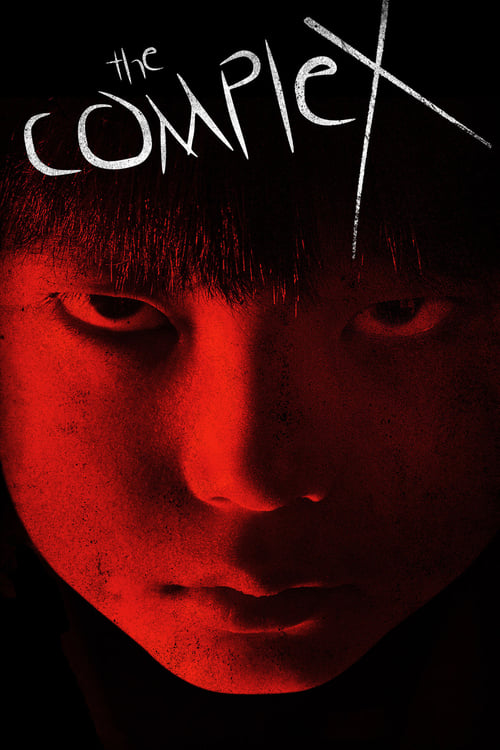
The Complex
2013
No user ratings available yet
Representation score: 4.7 out of 10
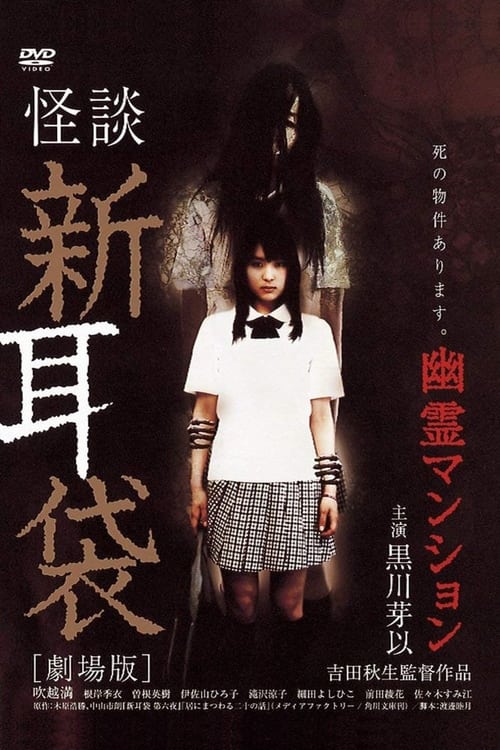
Representation Score
Limited
2005
Director
Akio Yoshida
Runtime
93 minutes
Average Rating
No ratings yetNew Showbiz Analysis
The film is a culturally specific horror piece that prioritizes atmospheric dread and domestic tragedy over diverse representation. It focuses on the fragmentation of a family unit rather than varied character roles. While the narrative avoids idealized social hierarchies, it does so through established genre clichés. The story remains a localized exploration of grief and isolation within a homogeneous setting.
Category Breakdown
The story centers on a father-daughter relationship and a past tenant's history. There are no LGBTQ+ characters or non-cisgender identities in the narrative.
Aimi serves as the central female protagonist navigating the haunting. However, the film relies on traditional clichés, casting her as a sensitive perceiver while the father embodies instability.
The cast and setting are ethnically homogeneous, reflecting a specific Japanese context. The film does not attempt multicultural blending or race-bending.
The film deconstructs the ideal family by focusing on dysfunction and alcoholism. It prioritizes dread and systemic entrapment over traditional communal or religious comforts.
Alcoholism and mental health issues are present through the father's character. These elements function primarily as plot devices to heighten tension rather than nuanced explorations of disability.
Present on Screen
Limited or Absent
Official Synopsis
Aimi and her father move into an old, apartment building and learn quickly that things are not as they seem.
2013
2000

2016
2003

2024
2002
2007

2006
No reviews yet. Be the first to share your thoughts on this movie!
Use the rating form above to leave a star rating and optional review.