The Complex
2013
No user ratings available yet
Representation score: 4.7 out of 10
Representation Score
Limited
2007
Not RatedDirector
Ataru Oikawa
Runtime
94 minutes
Average Rating
No ratings yetNew Showbiz Analysis
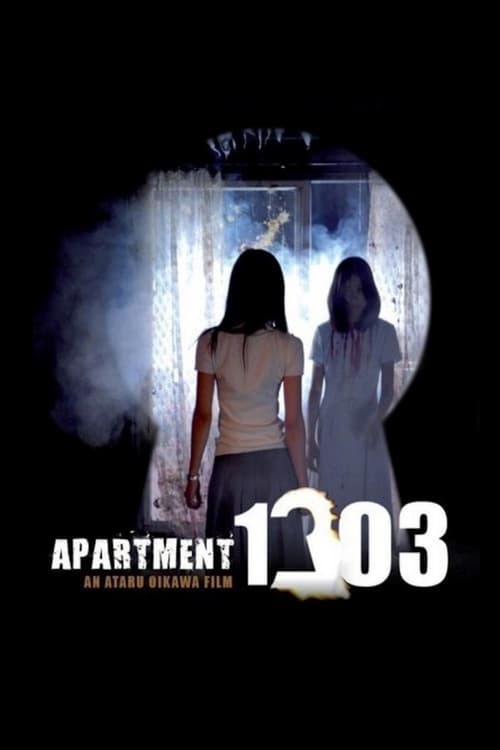
Apartment 1303 is a conventional psychological horror film that emphasizes genre clichés over social commentary. The narrative revolves around a domestic mystery following a tragic suicide, focusing on the grief of a family rather than deconstructing social hierarchies. While the film highlights women's ability to drive the story through Mariko's investigative role, it does not challenge patriarchal structures or offer progressive identity politics. The story remains centered on the psychological impact of loss within a standard horror framework. Overall, the film lacks evidence of multi-layered character development or disruption of traditional social norms, functioning primarily as a character study of tragedy.
Category Breakdown
The film does not include any representation of LGBTQ+ identities. There is no exploration or critique of straight-centered assumptions.
Mariko plays a central role in investigating her sister's death, providing a strong female perspective. However, the story relies on traditional emotional responses to tragedy, without challenging gendered power dynamics.
Set in Japan, the film reflects a non-Western cultural context. However, it does not feature diverse ethnic identities or multi-layered casting.
The story focuses on family and psychological issues, without presenting a systemic critique or specific cultural subversion beyond its domestic setting.
The film touches on mental health through a character's experience of insanity. It is unclear whether this is handled with depth or used as a typical horror cliché.
Present on Screen
Limited or Absent
Official Synopsis
While celebrating with her friends in her new cheaply rented apartment on the thirteenth floor of a building, the young Sayaka unexpectedly jumps off the balcony committing suicide. Her mother goes insane and her older sister, Mariko, decides to investigate the mysterious death of her sister.
2013
2000

2016
2005
2005
2002
2014

2024
No reviews yet. Be the first to share your thoughts on this movie!
Use the rating form above to leave a star rating and optional review.