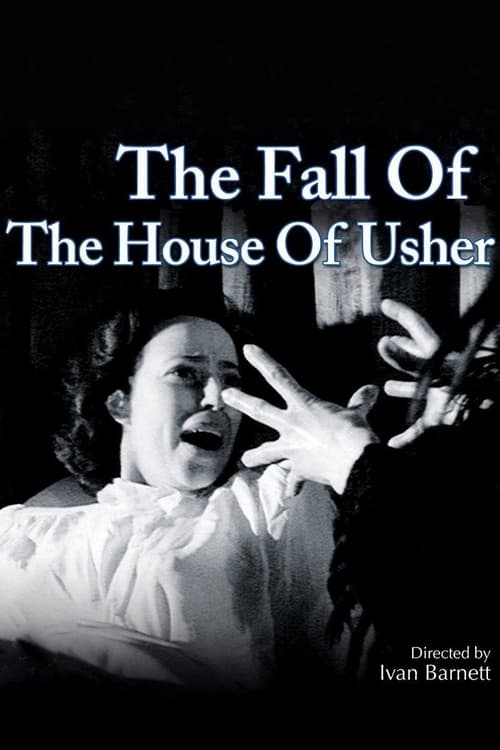
The Fall of the House of Usher
1950
No user ratings available yet
Representation score: 2.7 out of 10
Representation Score
Fair
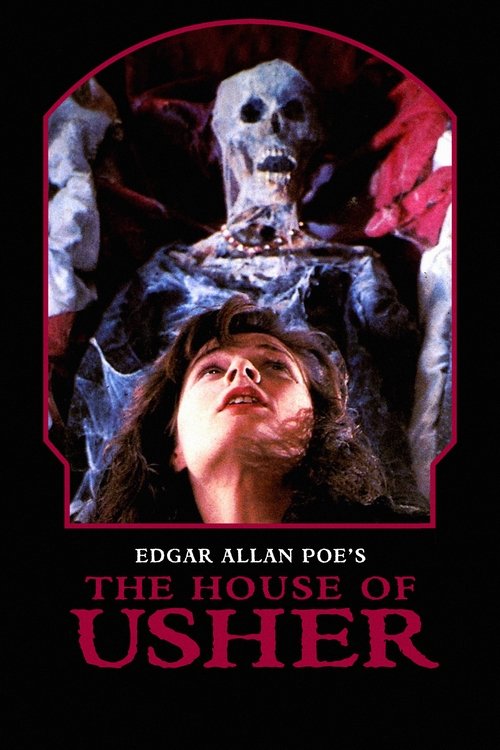
1989
RDirector
Alan Birkinshaw
Runtime
92 minutes
Average Rating
No ratings yetNew Showbiz Analysis
This adaptation of Edgar Allan Poe's work emphasizes gothic atmosphere and psychological dread over modern sociopolitical commentary. The narrative sticks to traditional horror clichés, focusing on the descent of the Usher family into madness. The film lacks representation of diverse identities and traditional gender roles. It follows the casting and narrative norms of 1980s horror cinema.
Category Breakdown
The story centers around a heterosexual relationship between Ryan and Molly. There are no representations of LGBTQ+ identities or critiques of the assumption that everyone is straight or cisgender in the plot.
Molly and Ryan face a dangerous survival situation together. However, the film does not challenge traditional gender roles, focusing instead on the psychological breakdown of the male characters.
The production seems to follow typical late-80s casting norms for genre films. There is no indication of racially diverse casting or a non-Anglo-Saxon cast.
The film delves into classic Gothic themes such as ancestral curses and inherited madness. It operates as a psychological study rather than a critique of social or Western institutions.
Mental instability is a key plot element involving Walter and Roderick Usher. These depictions of insanity serve to create horror rather than offer nuanced portrayals of mental health issues.
Present on Screen
Limited or Absent
Official Synopsis
An updated version of the classic horror tale by Edgar Allen Poe. Ryan and his girlfriend Molly are going to visit Ryan's uncle, Roderick Usher, at his mansion. They find, however, that Roderick's brother Walter has gone insane, and Roderick himself isn't far behind. Can Ryan and Molly escape from the doomed mansion before the curse of Usher claims them as well?
1950
1928
2026

1960
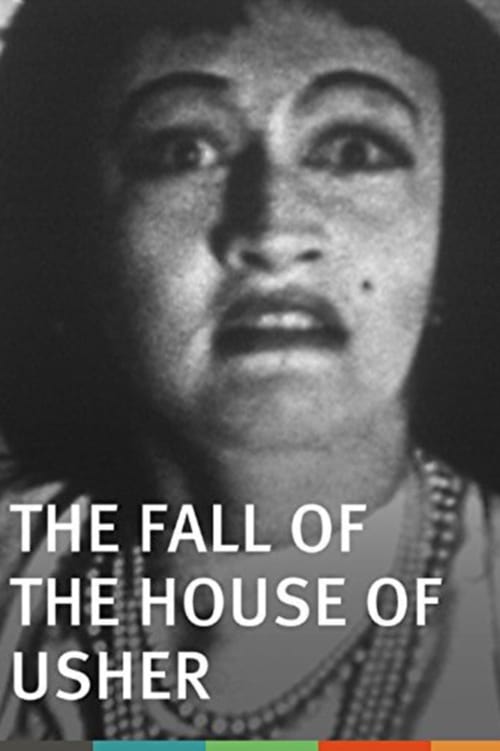
1942
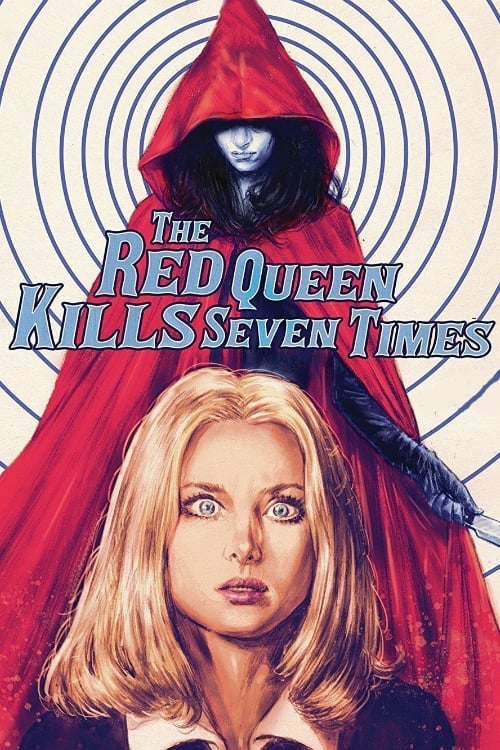
1972
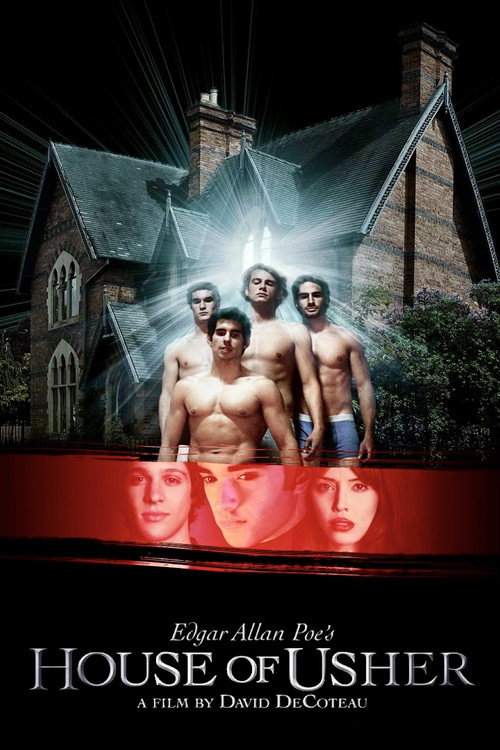
2008
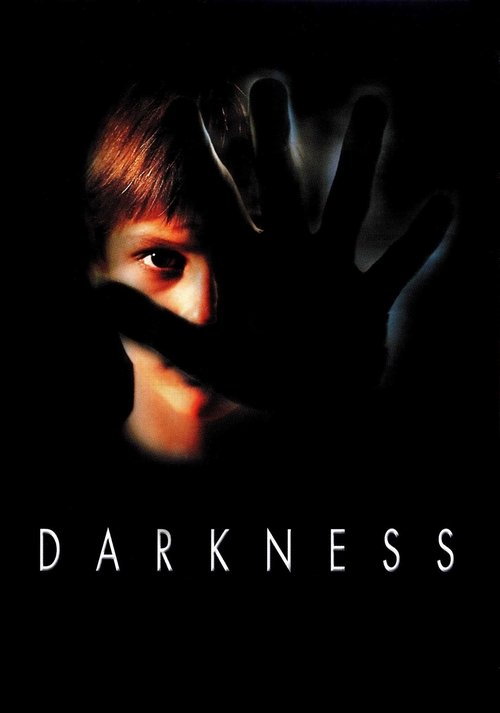
2002
No reviews yet. Be the first to share your thoughts on this movie!
Use the rating form above to leave a star rating and optional review.