
Don't Look Up
1996
No user ratings available yet
Representation score: 4.0 out of 10
Representation Score
Limited
2015
Director
Hideo Nakata
Runtime
99 minutes
Average Rating
No ratings yetNew Showbiz Analysis
Ghost Theater primarily focuses on creating a sense of dread within the horror genre. While it features a strong female lead, the narrative structure relies on well-known horror clichés rather than challenging social hierarchies. The production remains culturally uniform, reflecting its Japanese context without attempting to introduce diverse casting or multi-layered characters. It prioritizes genre-specific storytelling over social commentary. Overall, the film lacks the intention to drive progressive changes in representation, focusing instead on the survival of its protagonist within a theatrical setting.
Category Breakdown
The film is a typical backstage thriller without any representation of non-straight or non-cisgender identities. It does not challenge the assumption that everyone is straight or cisgender.
Sara, the female protagonist, plays a significant role in navigating dangerous situations. However, she often follows the traditional role of a woman in horror films, where she is targeted by supernatural forces.
The cast and setting are culturally uniform, reflecting its Japanese origin. The film does not seek to include diverse casting or disrupt ethnic norms.
The story follows traditional Japanese horror conventions. It does not critique institutions such as the family, the state, or Western cultural standards.
There is no evidence of characters with visible or invisible disabilities in the film.
Present on Screen
Limited or Absent
Official Synopsis
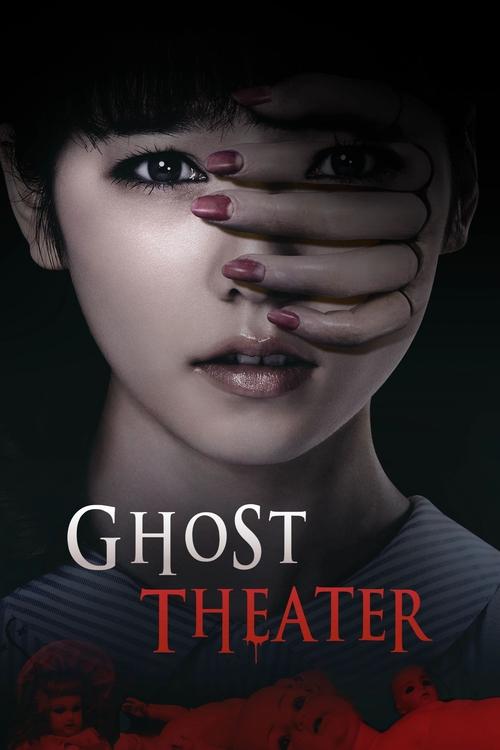
Sara, a young actress, is able to land the leading role in big theater play, but soon learns that somebody or something is trying to end the production at all cost, which puts Sara in deadly danger.
1996
2000
2019
2003
2013
2014
1989

2015
No reviews yet. Be the first to share your thoughts on this movie!
Use the rating form above to leave a star rating and optional review.