Arnulf Rainer
1960
No user ratings available yet
Diversity score: 0.8 out of 10
1958
Director
Peter Kubelka
Runtime
2 minutes
Average Rating
No ratings yetSynopsis
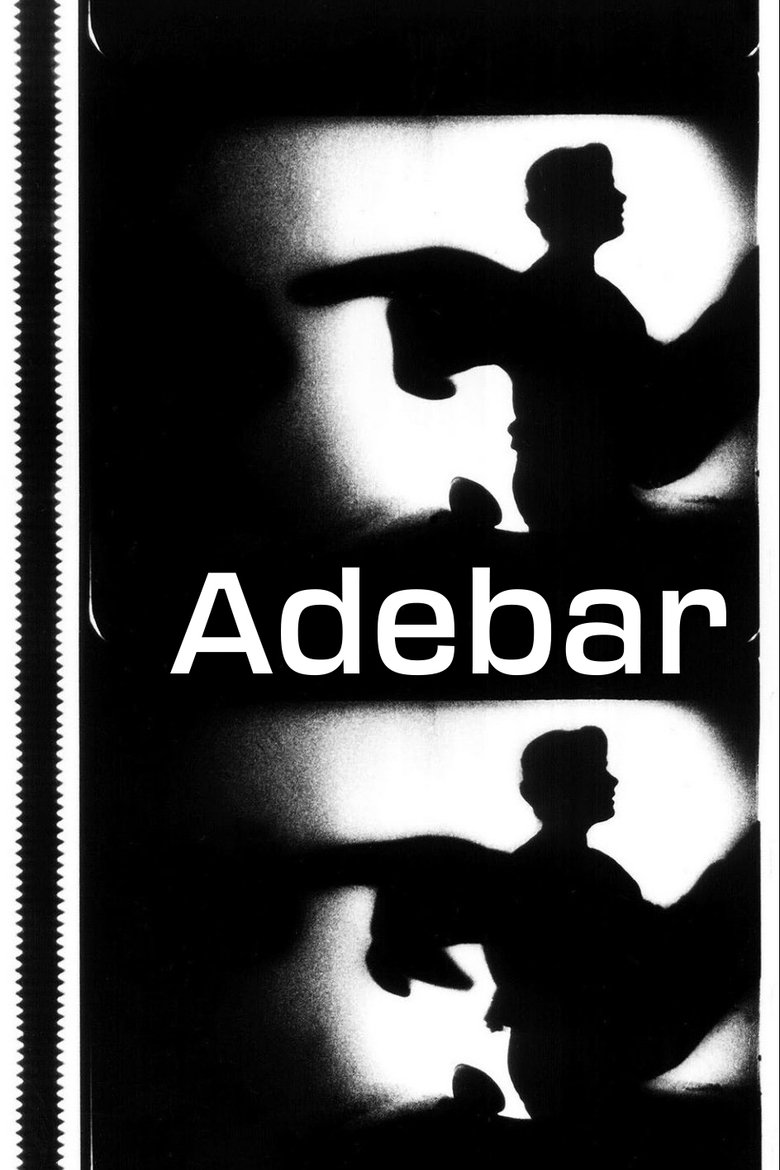
Adebar is the first of Peter Kubelka's 'metric films', in which every element of the composition is precisely ordered and in relation to the gestalt. The film is made up of single units---13, 26 and 52 frames long---which are subjected to a complex rule-system, including a strict use of positive and negative space, that determines their structure within the film.
Overall Score
Minimal
Category Breakdown
LGBTQ+ Representation
The film is entirely abstract and non-representational. It contains no characters or depictions of intimacy, precluding any expression of LGBTQ+ themes.
Gender Representation
The architecture is strictly mathematical and geometric. By removing the human element, the film avoids both reinforcing and subverting gender hierarchies.
Racial & Ethnic Diversity
The film utilizes positive and negative space as its primary visual language. There is no cast or depiction of human subjects present.
Religious & Cultural Diversity
The work deconstructs conventional Western narrative structures through its radical formalist approach. However, it remains neutral rather than actively progressive.
Disability Representation
This is a formalist study of rhythm and structure. It does not feature human subjects to address physical or neurodivergent representation.
Strengths
Areas for Improvement
AI Analysis
Adebar is a structuralist experiment that prioritizes mathematical precision over human storytelling. By utilizing a strict rule-system of frame lengths, the film focuses entirely on the formal properties of the medium. Because the work is non-narrative and avoids characters, it lacks the framework to engage with sociological identity. It operates as a study of temporal and visual organization rather than social commentary. Ultimately, the film exists outside the spectrum of representational diversity. It does not address gender, race, or identity, as there are no subjects present to inhabit such roles.
1960
1966
1971
1999

1966

1969
1966
1965
1966
1960
1993
1981
No reviews yet. Be the first to share your thoughts on this movie!
Use the rating form above to leave a star rating and optional review.